From the field guide · places in Chahar Mahal and Lorestan
Chahar Mahal
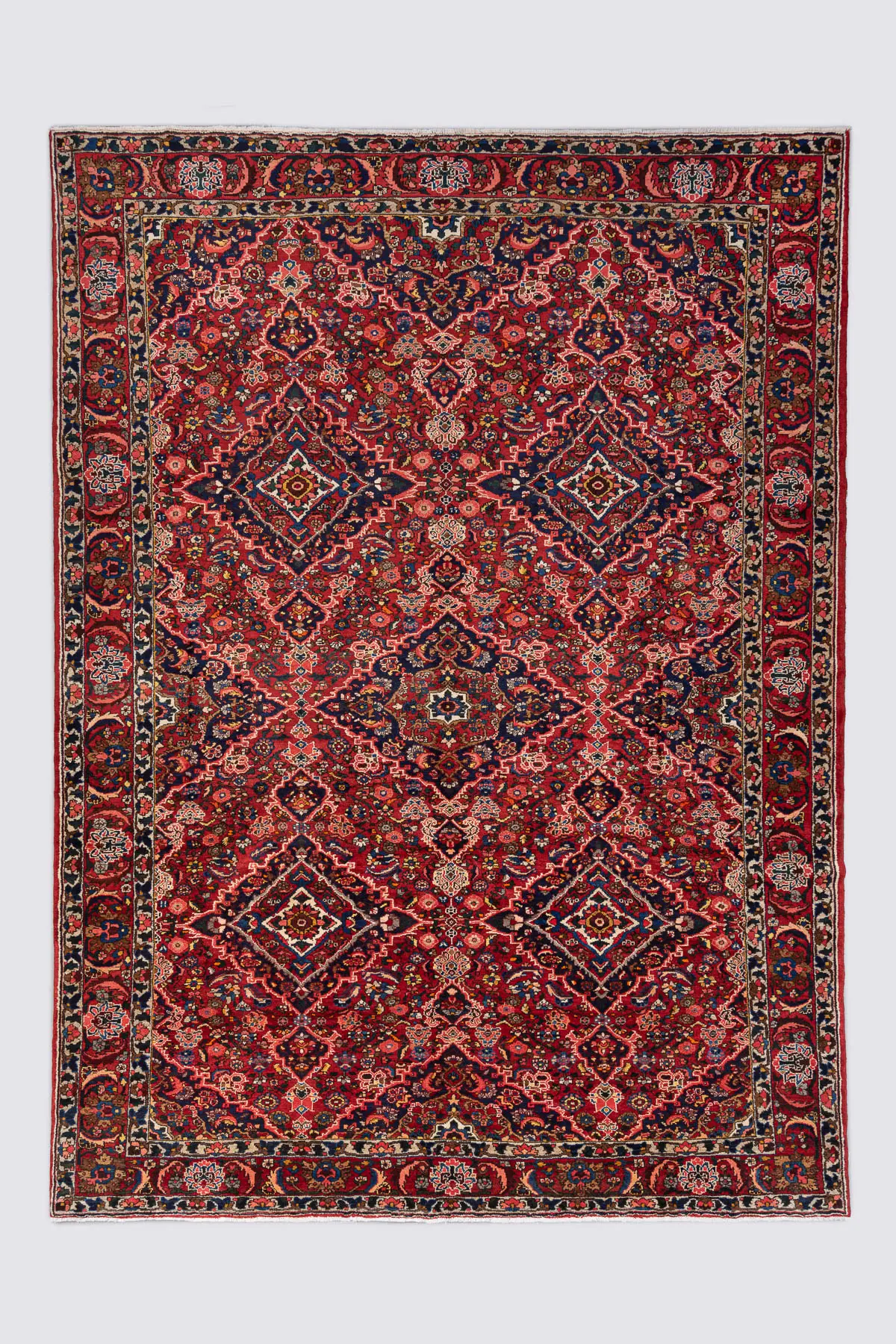
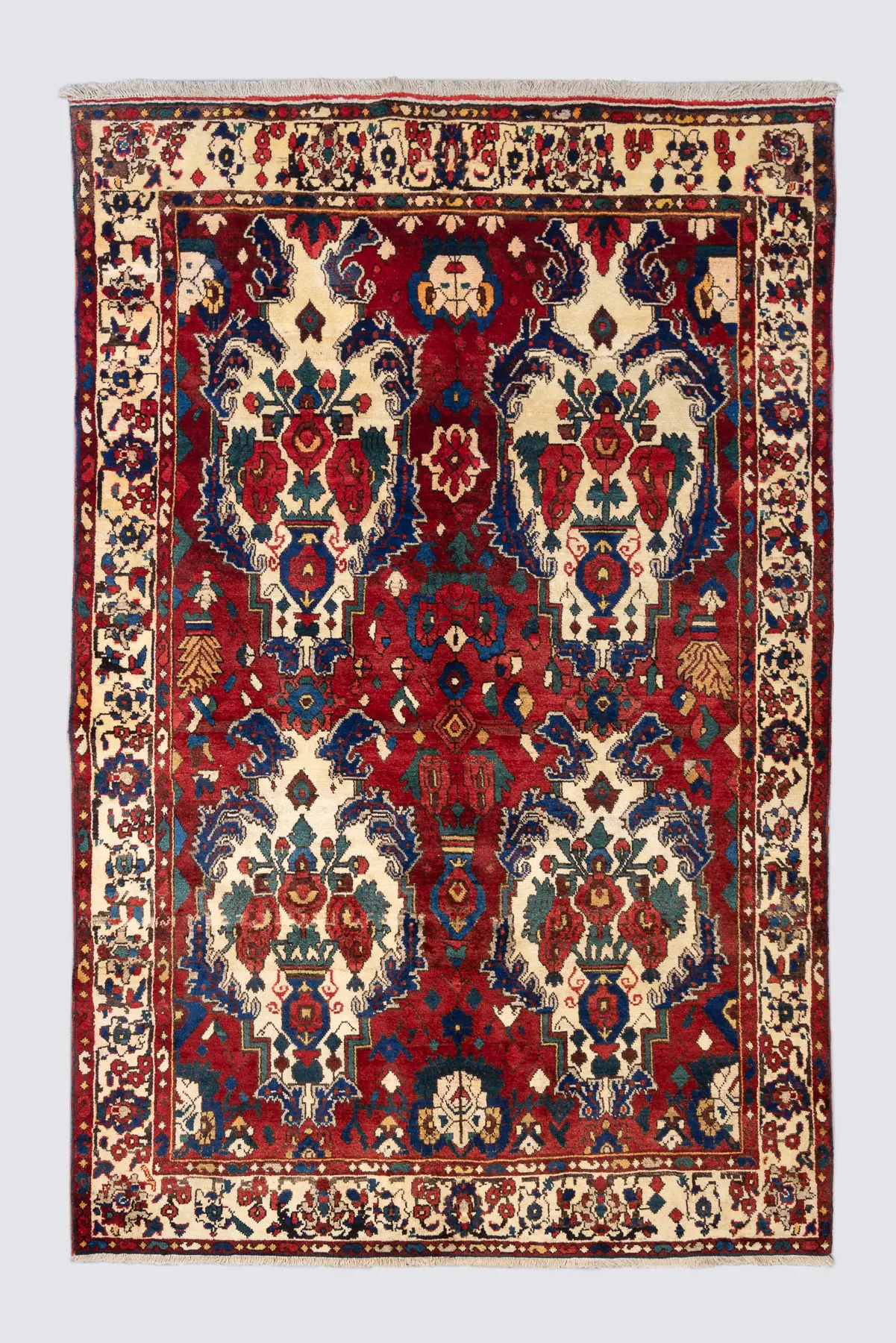
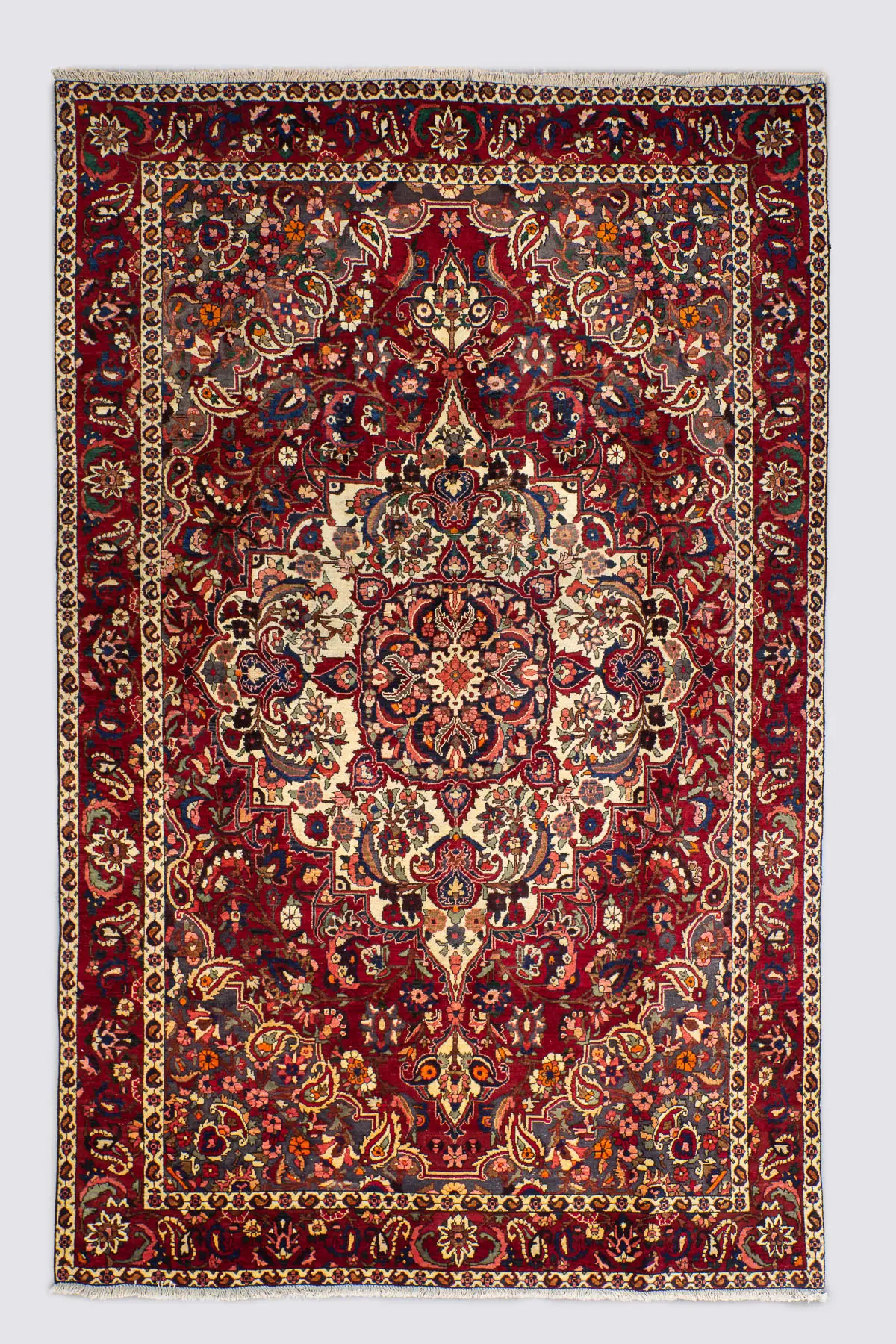
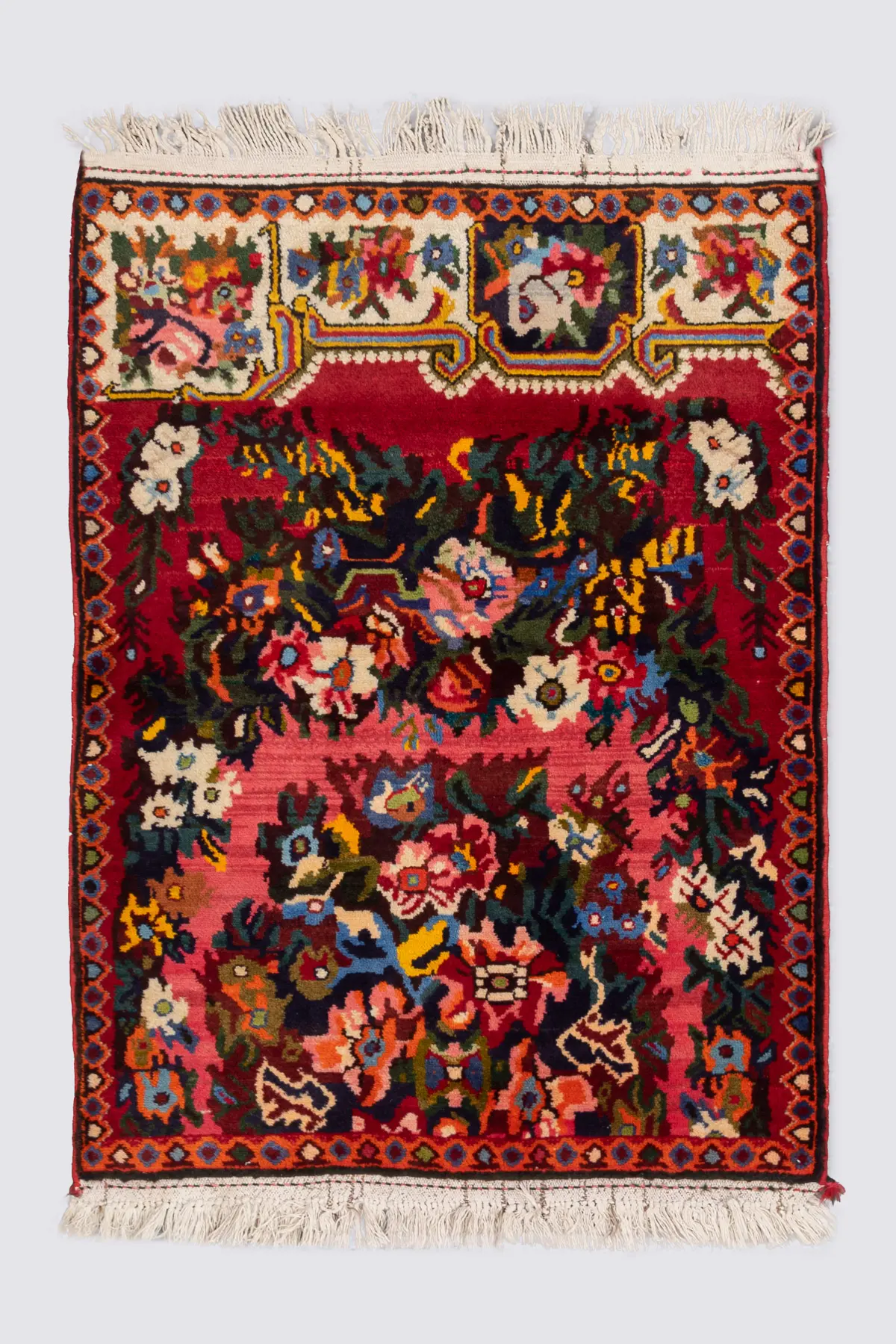
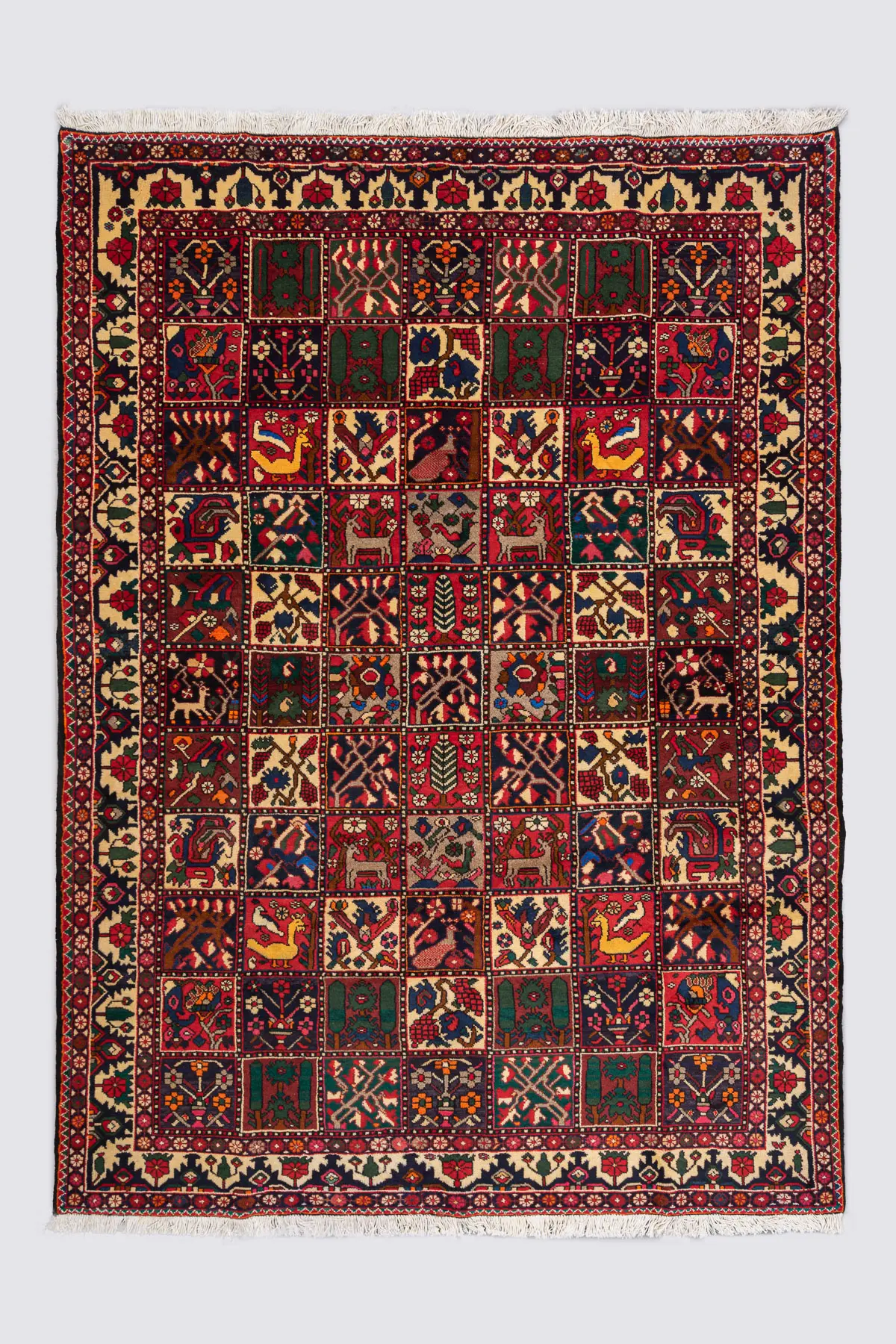
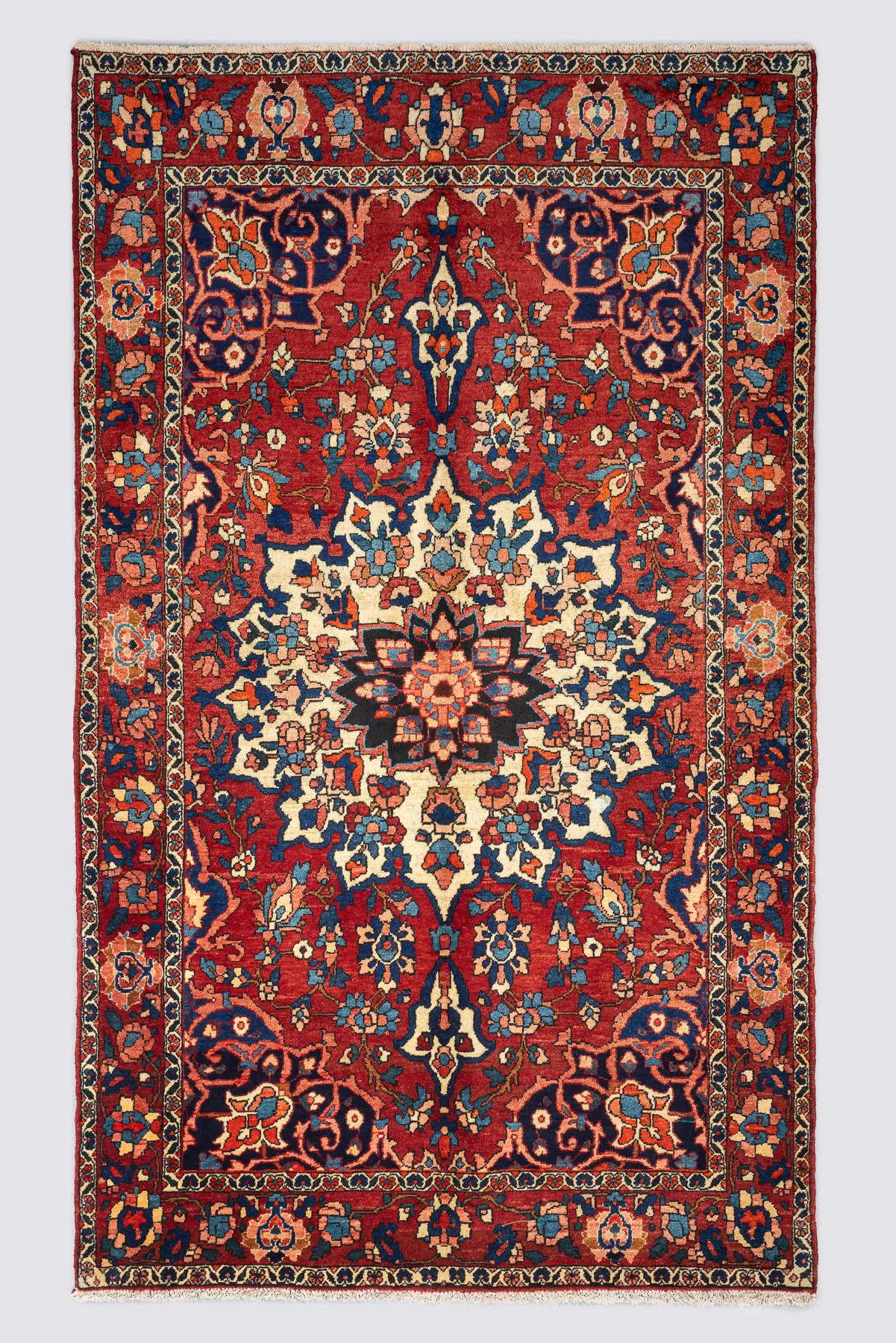
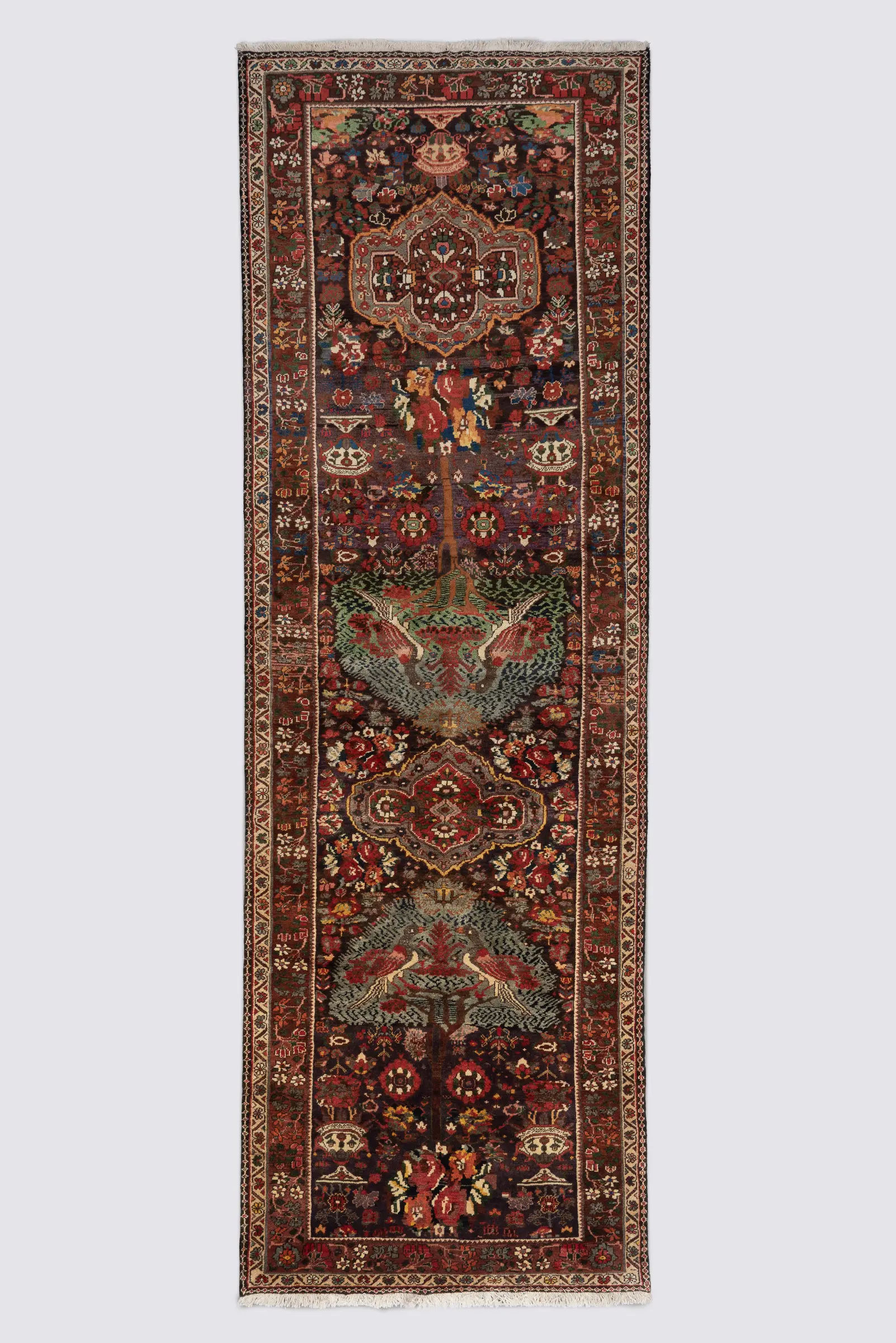
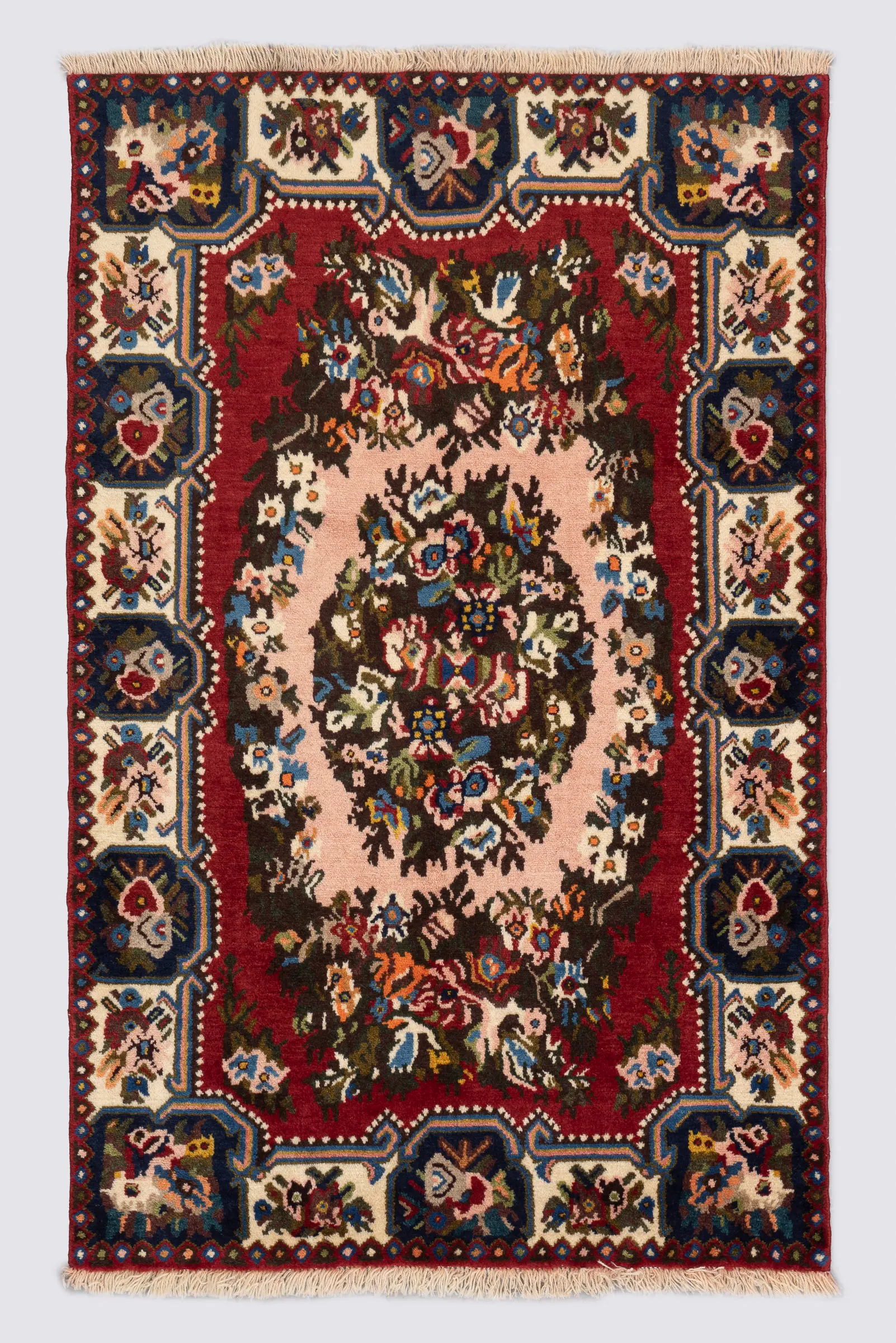
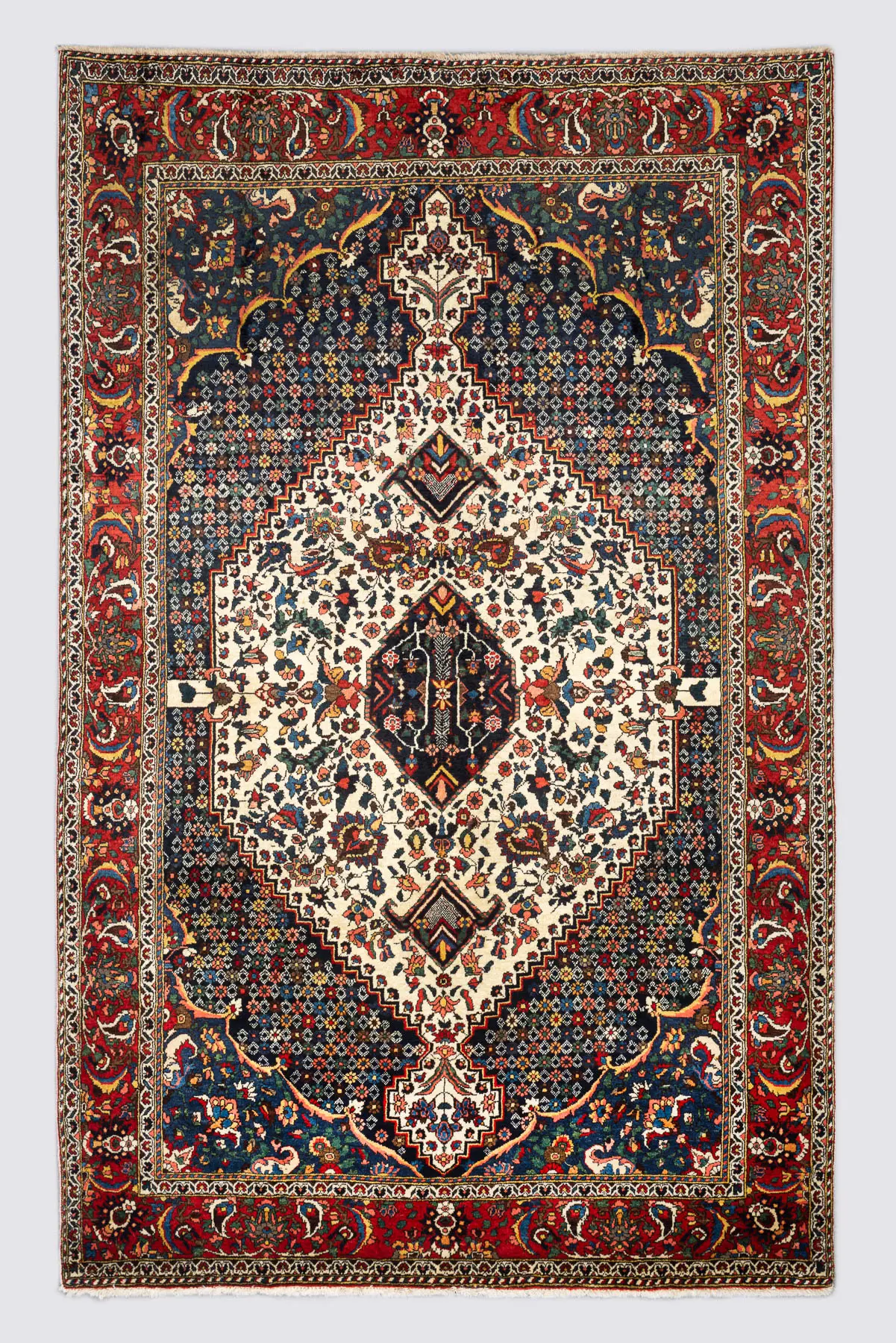
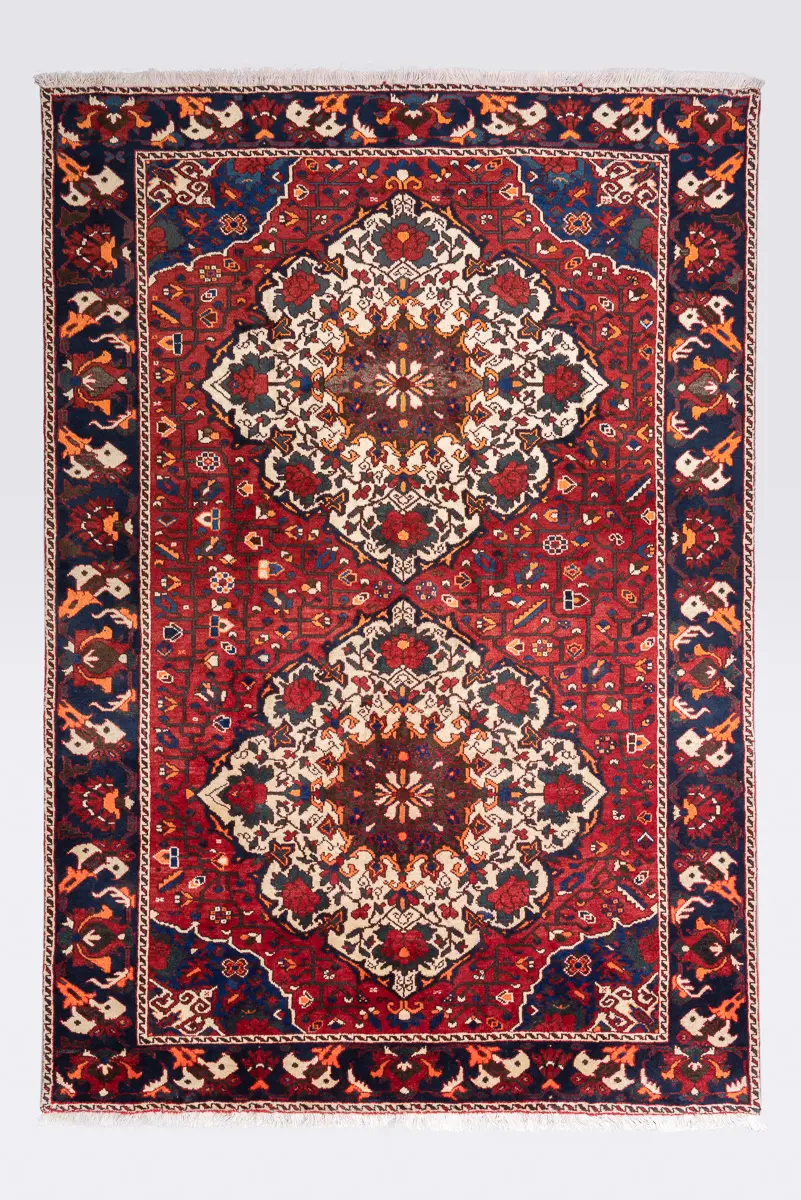
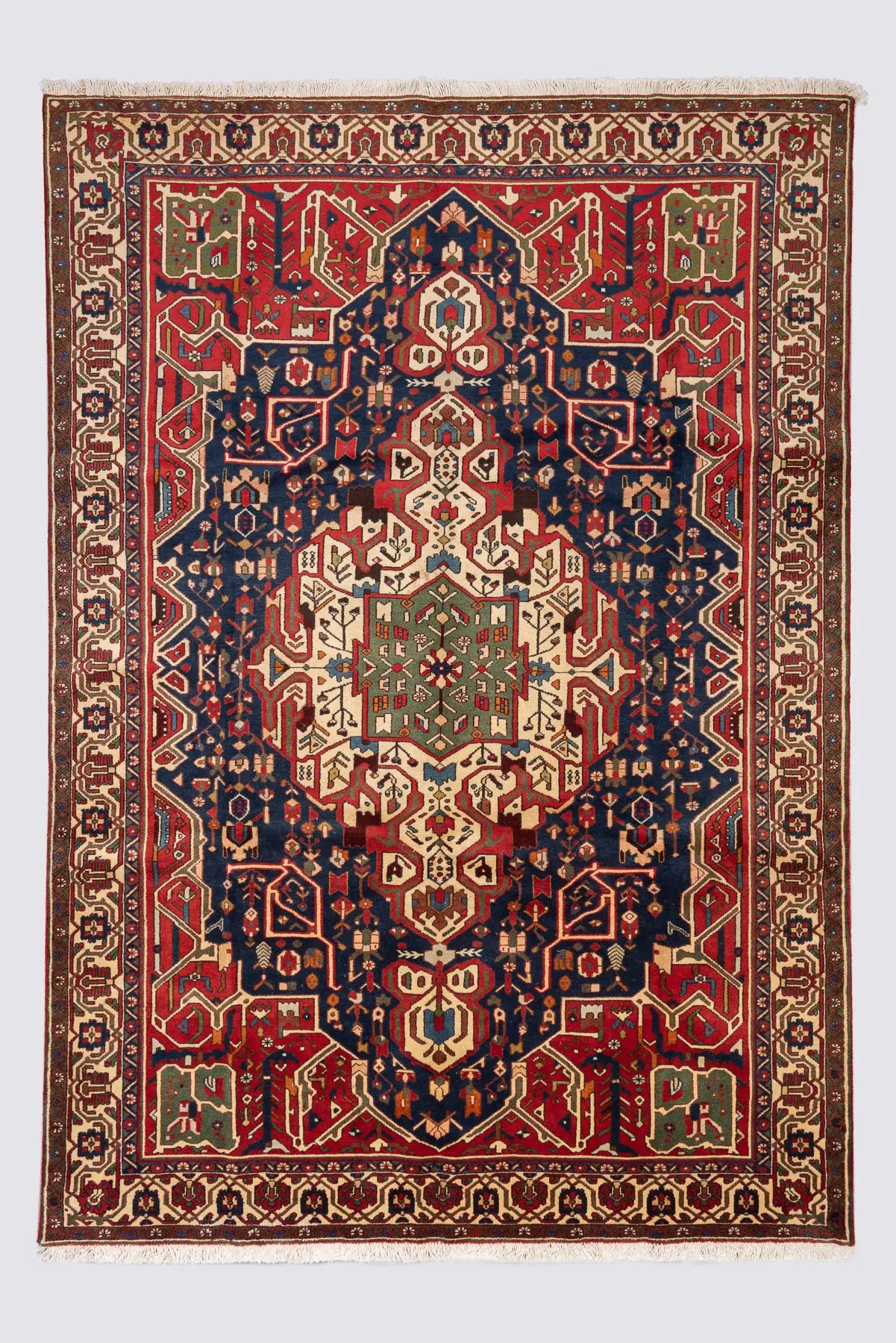
Chahar Mahal is the district near Isfahan, now the province of Chahar Mahal and Bakhtiari, whose villages are thought to produce most of the rugs sold as village Bakhtiari. These are typically single-wefted on cotton foundations, and inscribed examples name their villages, such as Shalamzar. Medallion-and-corner, prayer and figural designs, including a group with heraldic lions, are associated with the district.
Faradonbeh is a town just west of Borujen in Chahar Mahal and Bakhtiari province, where Dehkhoda records carpet weaving as the women's craft. It lies in the Chahar Mahal district, where, Iranica says, most village Bakhtiari rugs are thought to originate.
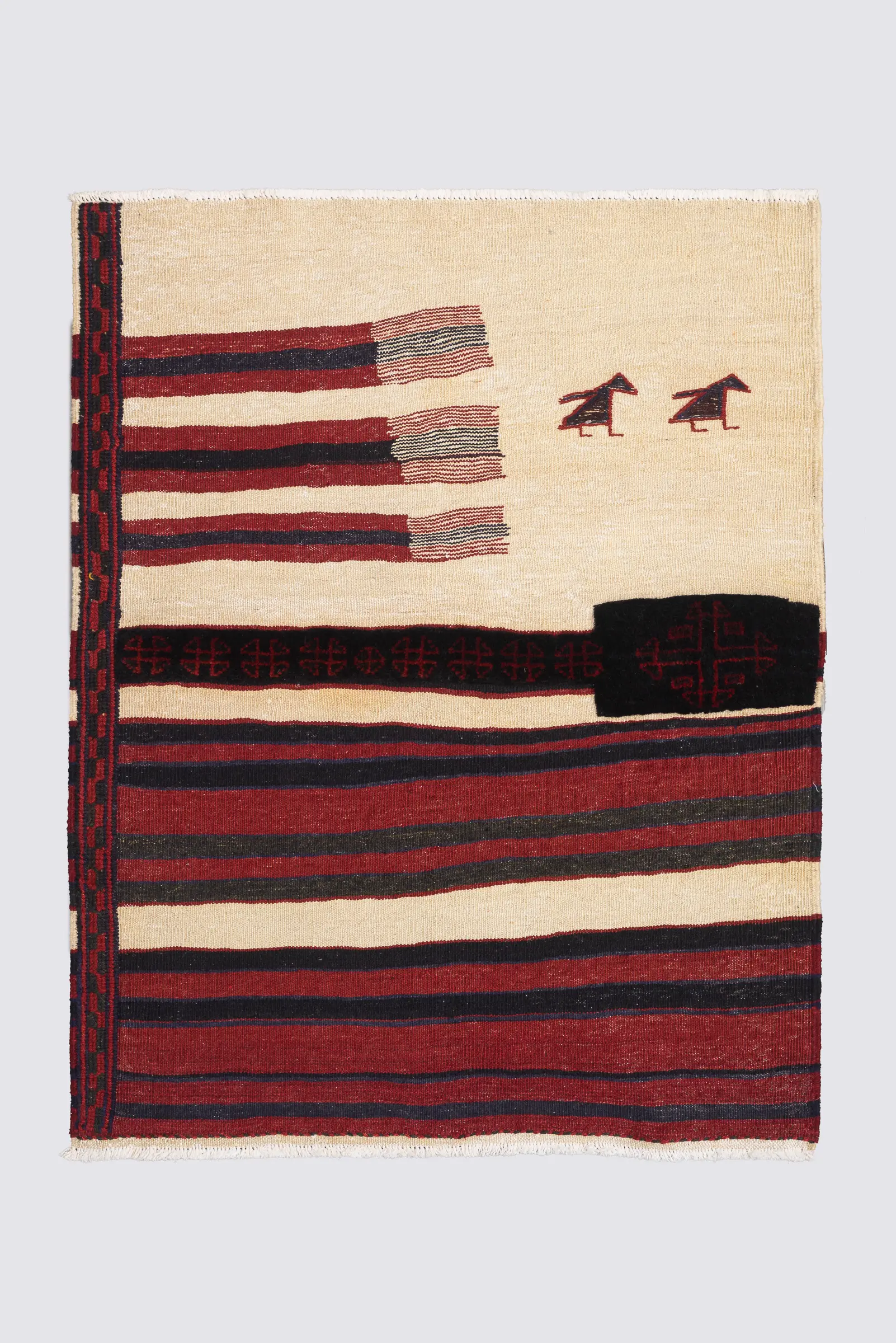
Shushtar is an old town in Khuzestan, south-west Iran, on a small plateau where the Karun river divides into two arms; its historic hydraulic system, with dams built in Sasanian times, is a UNESCO World Heritage site. It was the provincial seat until 1926. The Museum of Fine Arts, Boston catalogues a late nineteenth-century interlocking-tapestry kilim on wool warps to Shushtar and the Bakhtiari tribe.
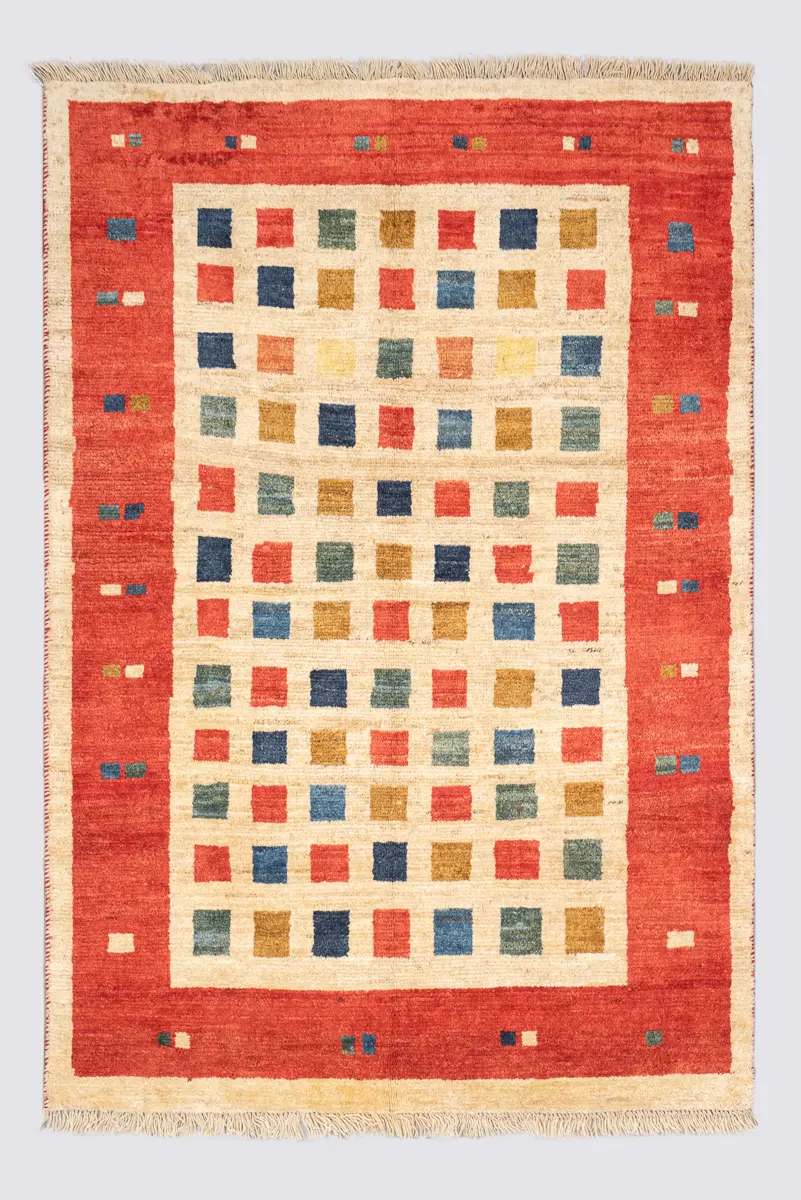
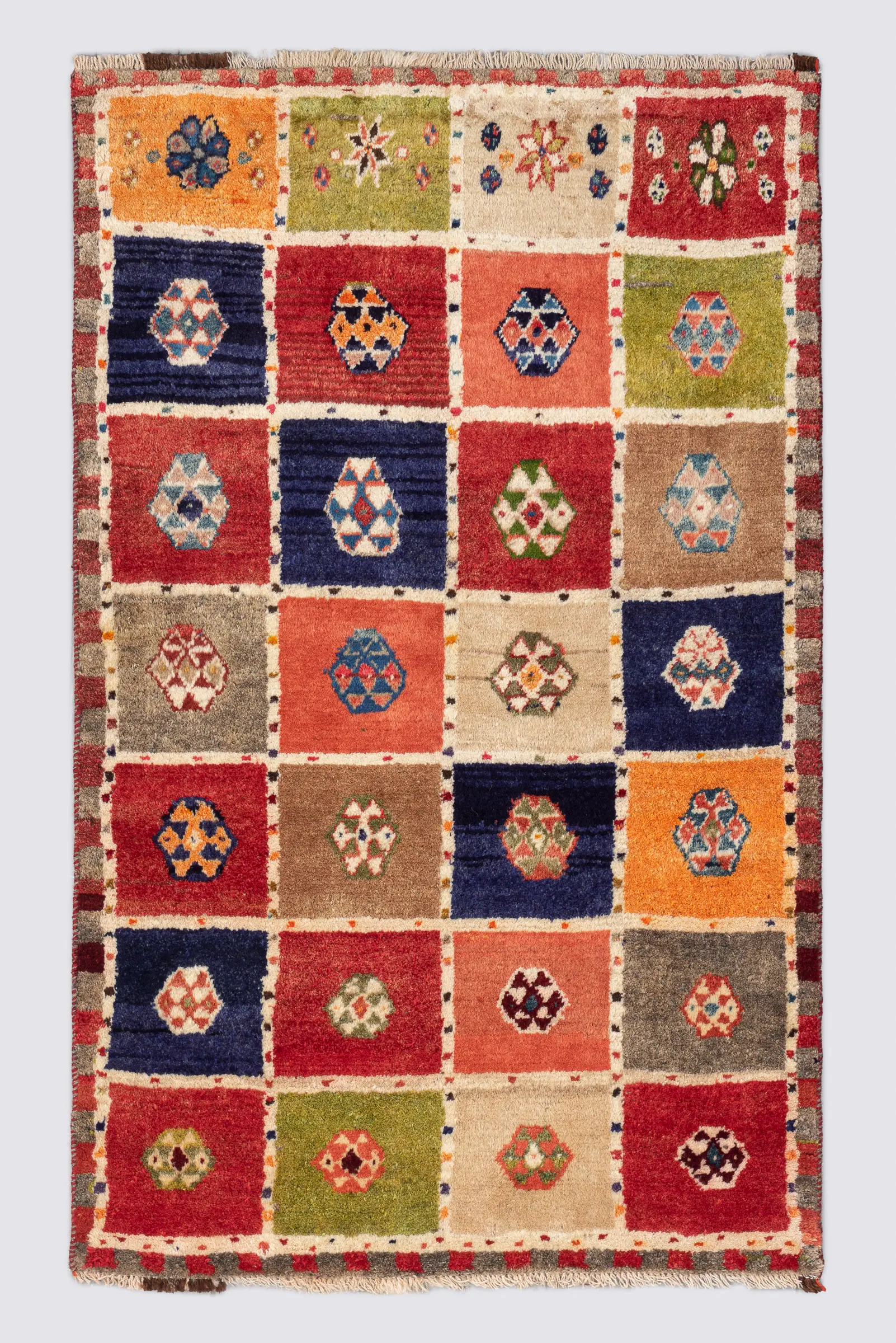
Lorestan, 'land of the Lurs', is a mountainous province of western Iran between Kermanshah and Khuzestan. Iranica records that the gabbeh is said to have originated there, around Khorramabad, Borujerd and Aligudarz, and spread to Kurdish and Qashqai weavers; Borujerd was already a named carpet centre in the nineteenth century.
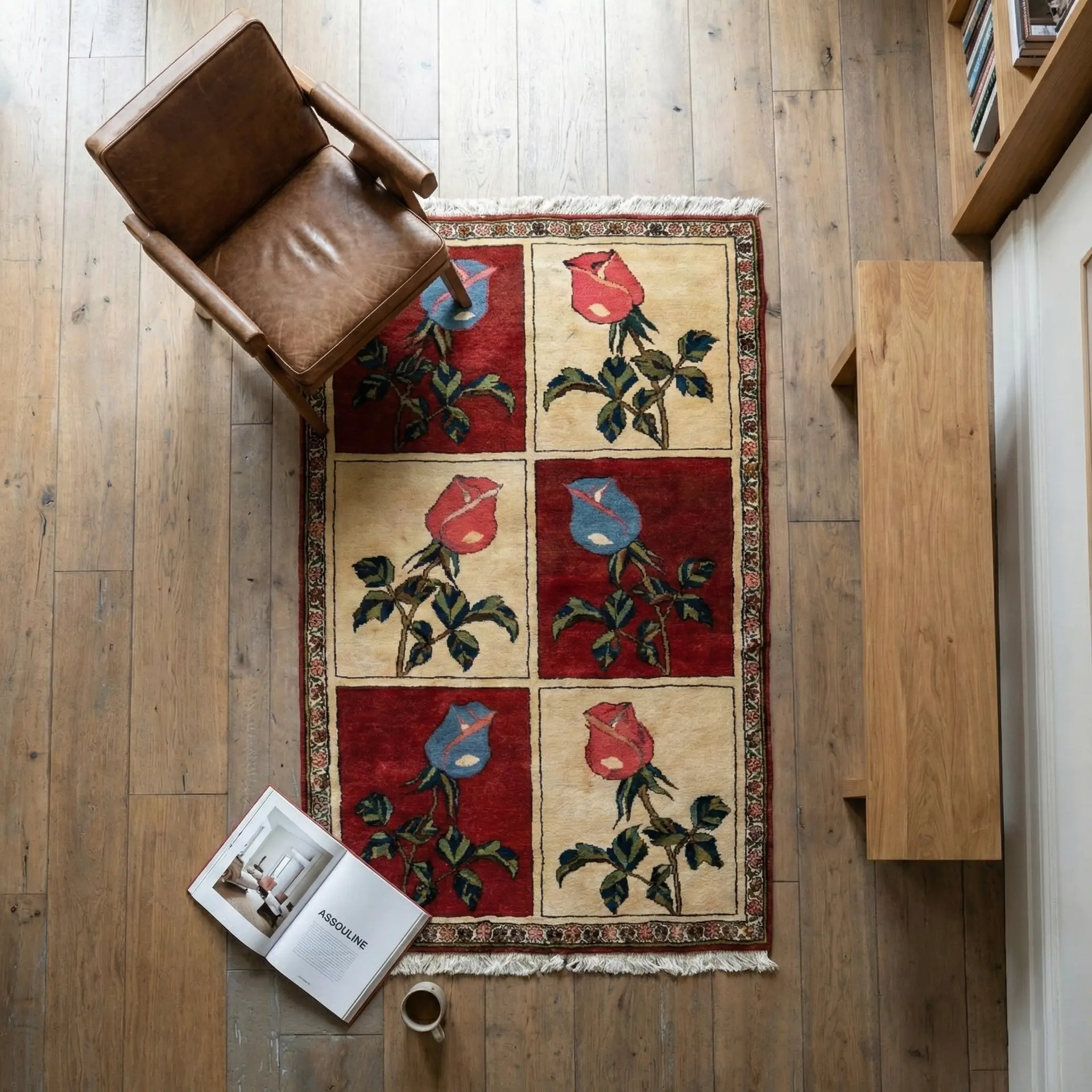
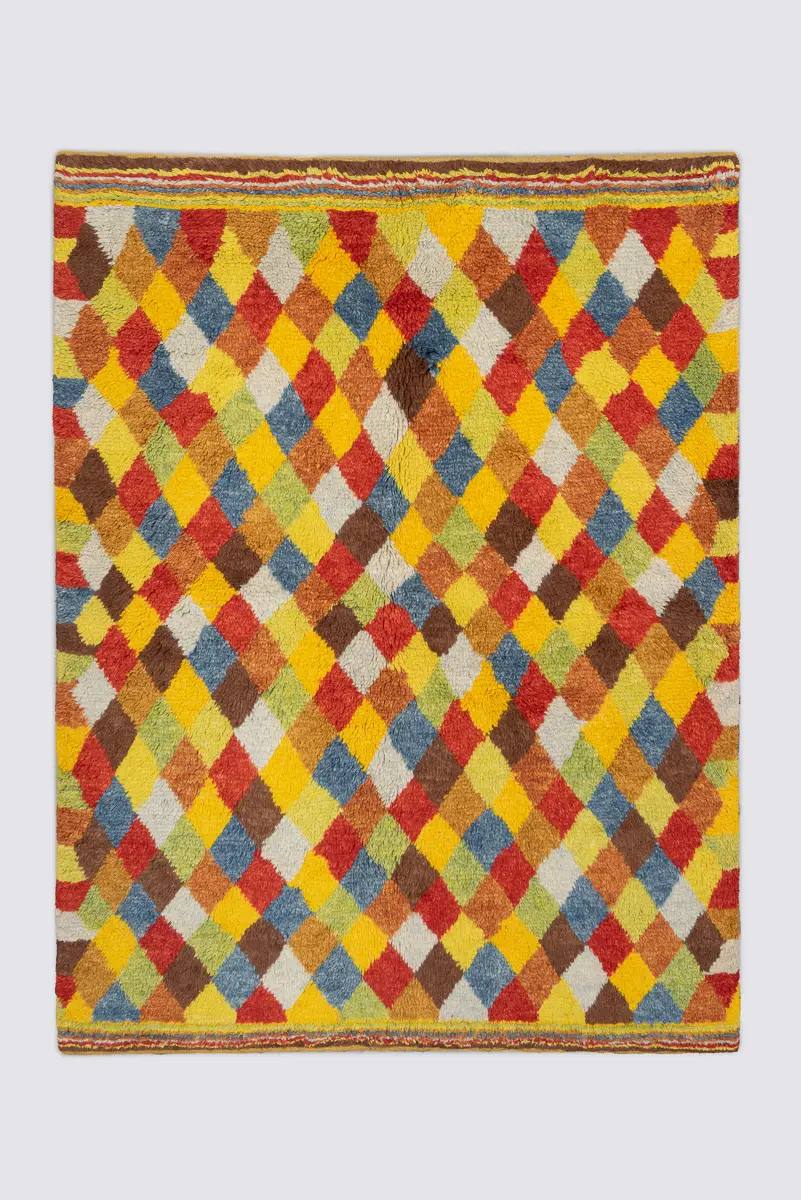
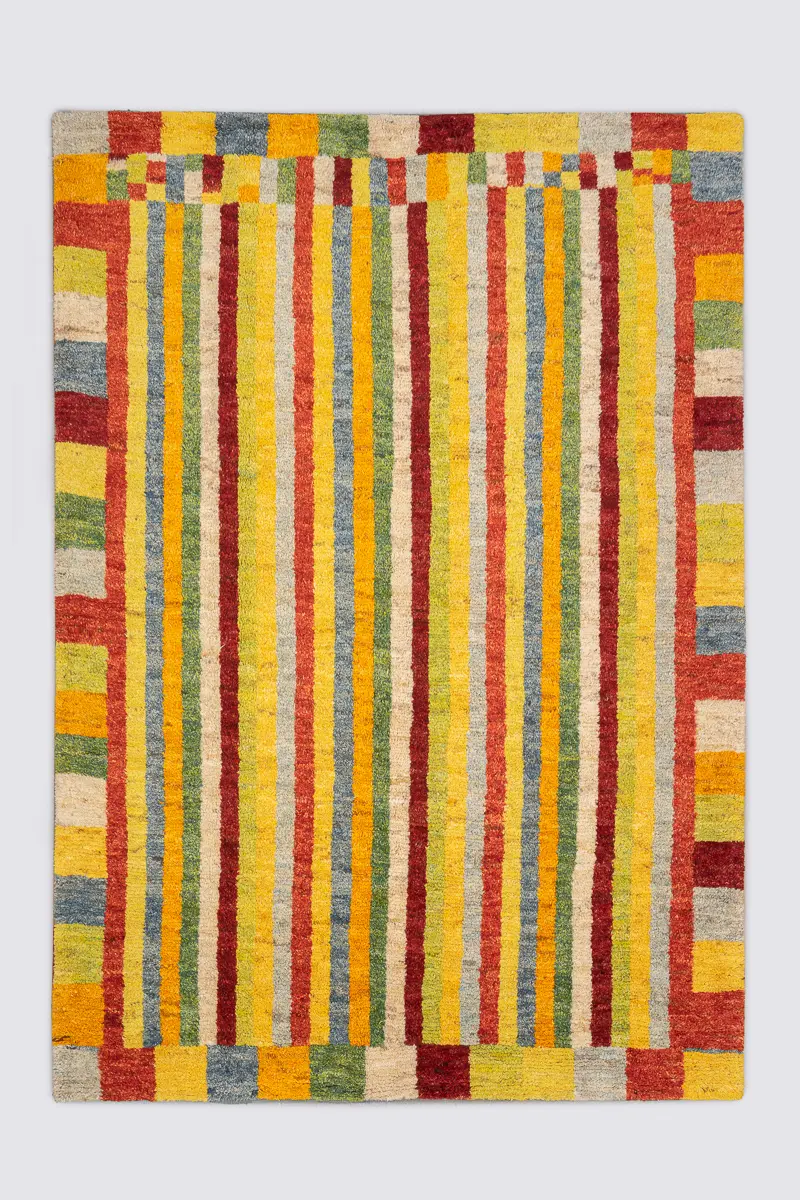
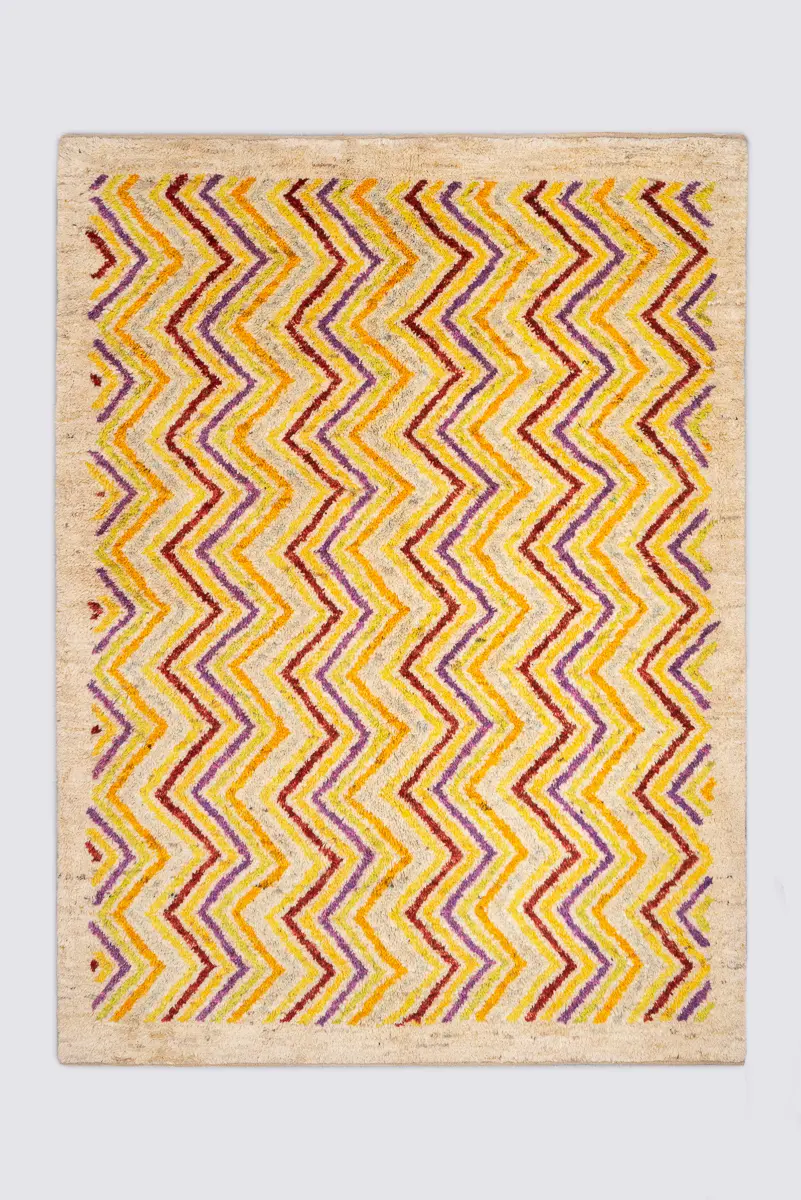
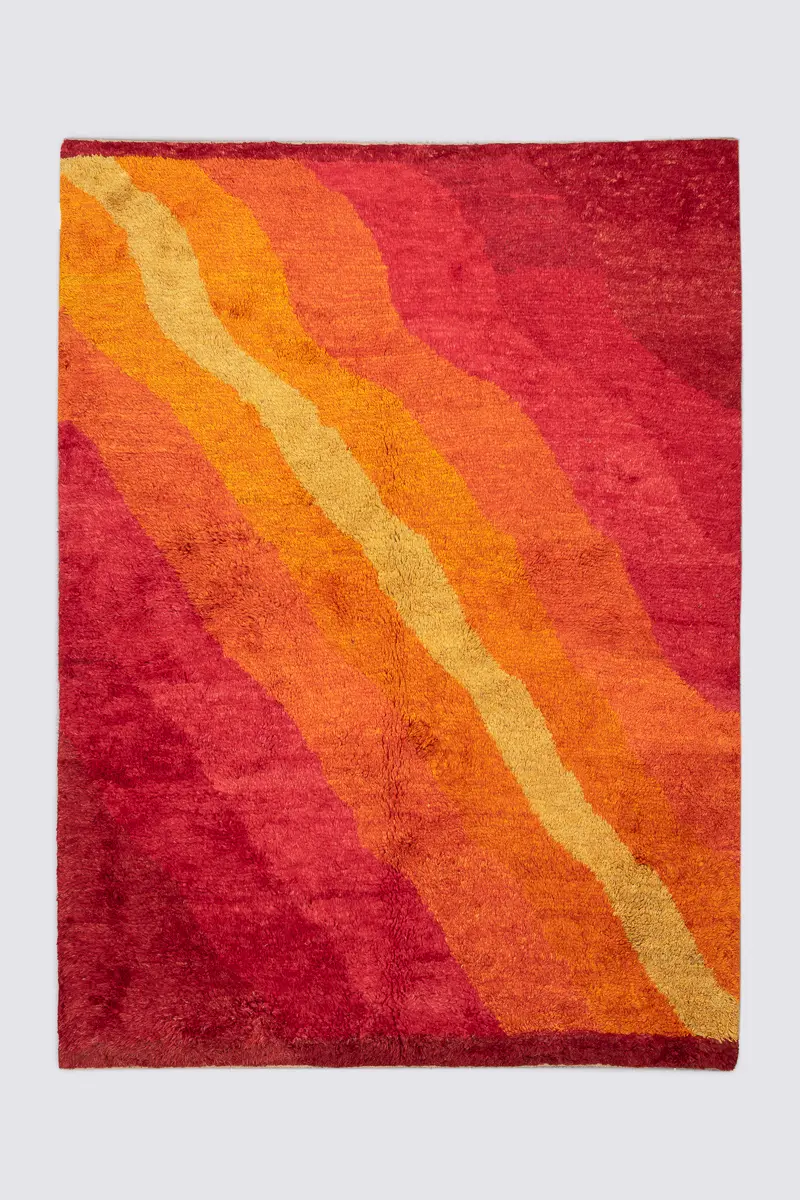
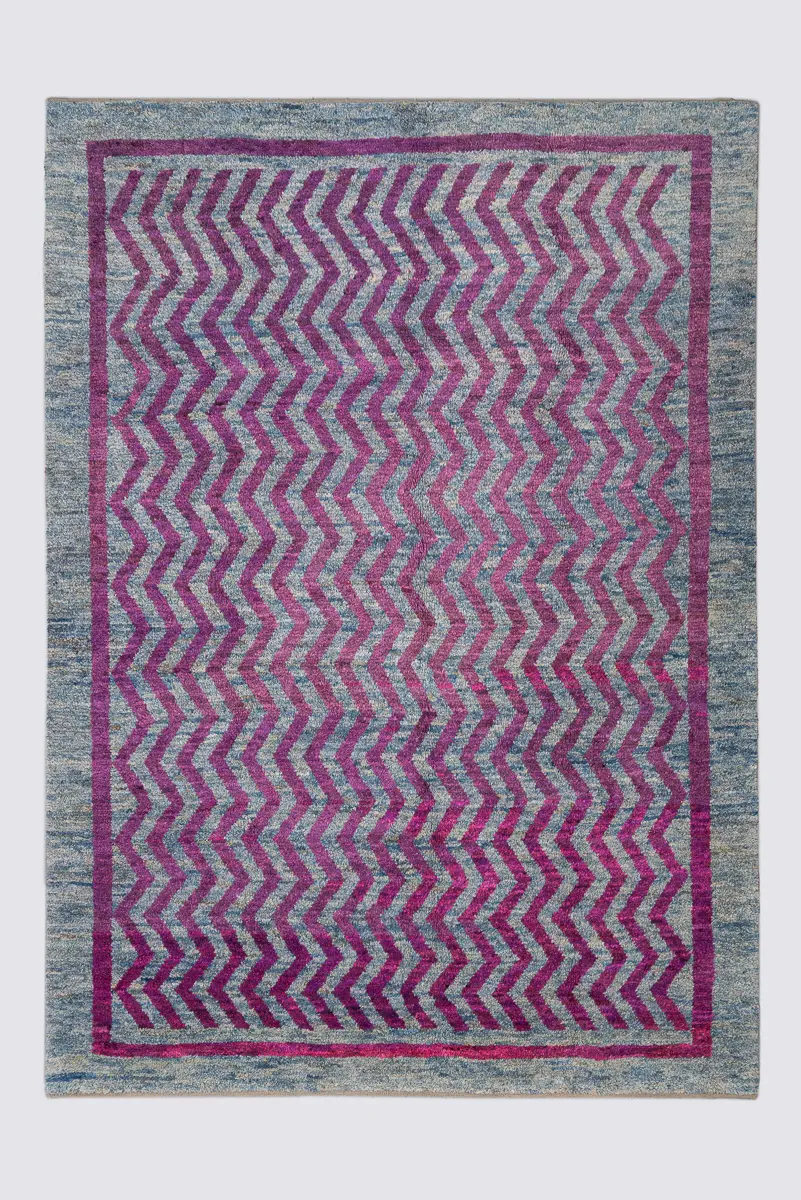
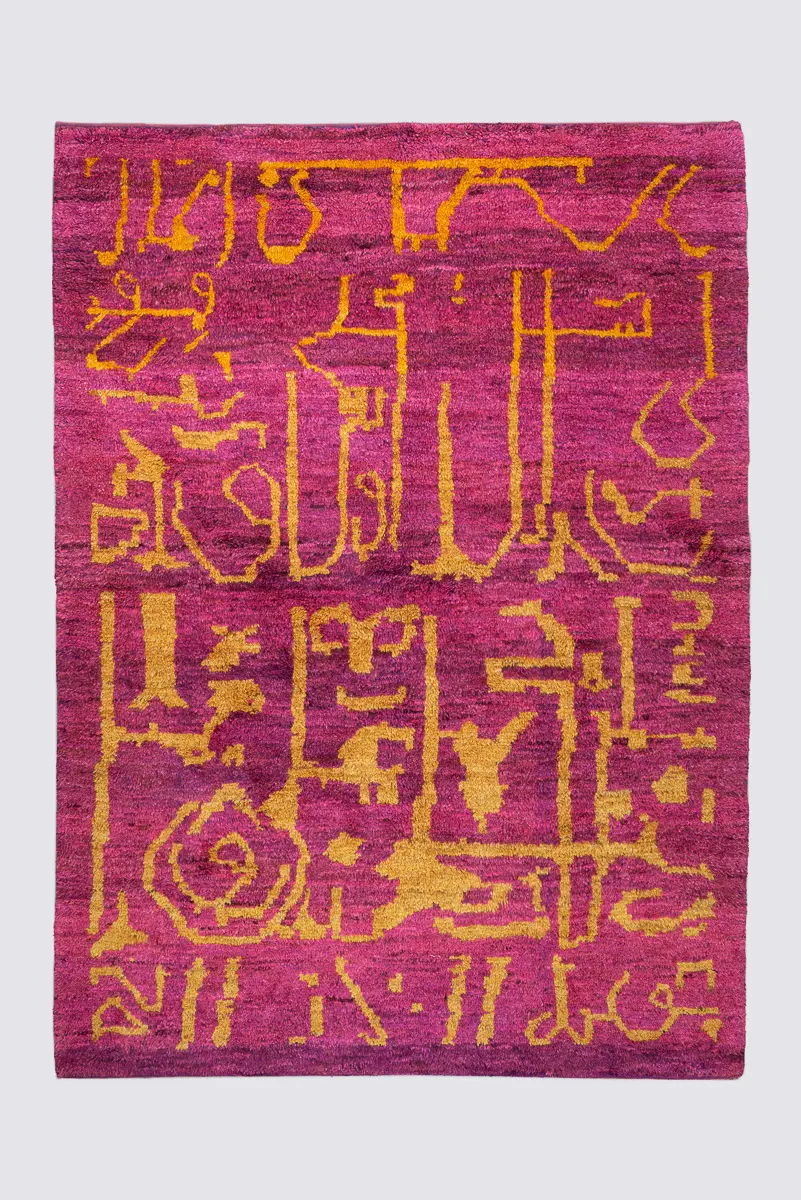
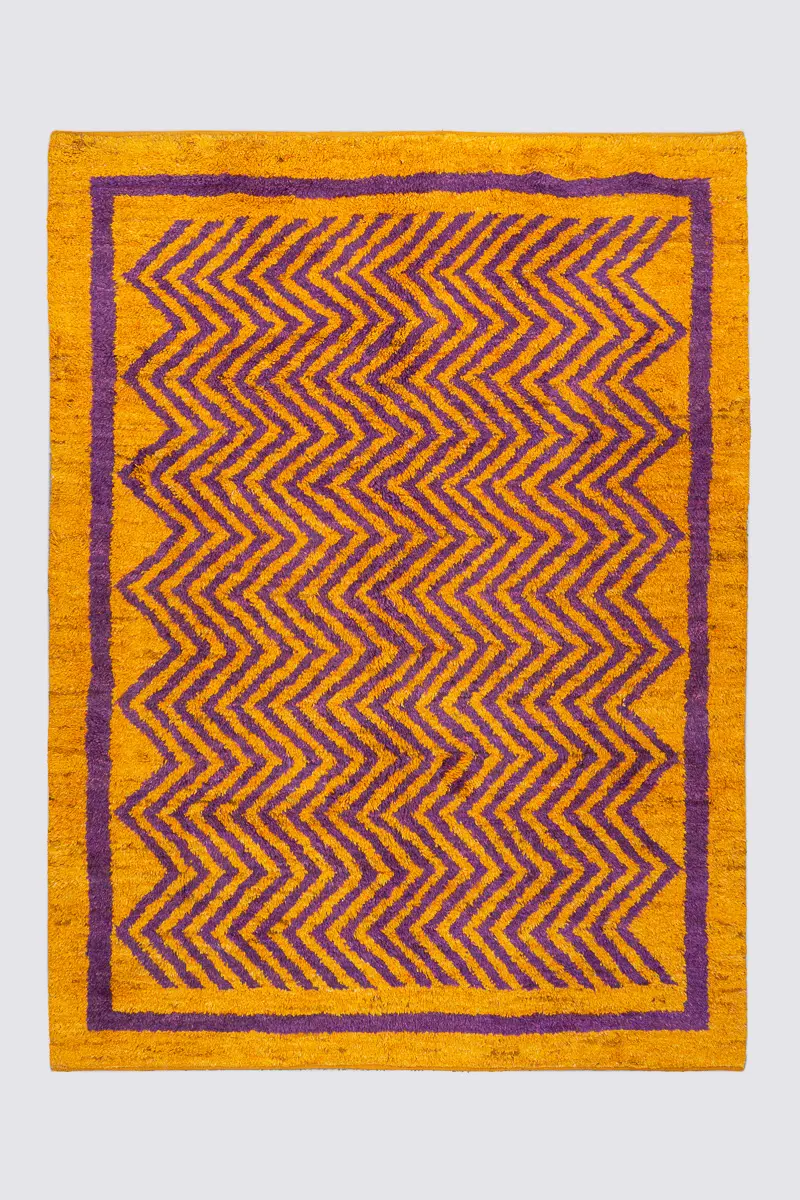
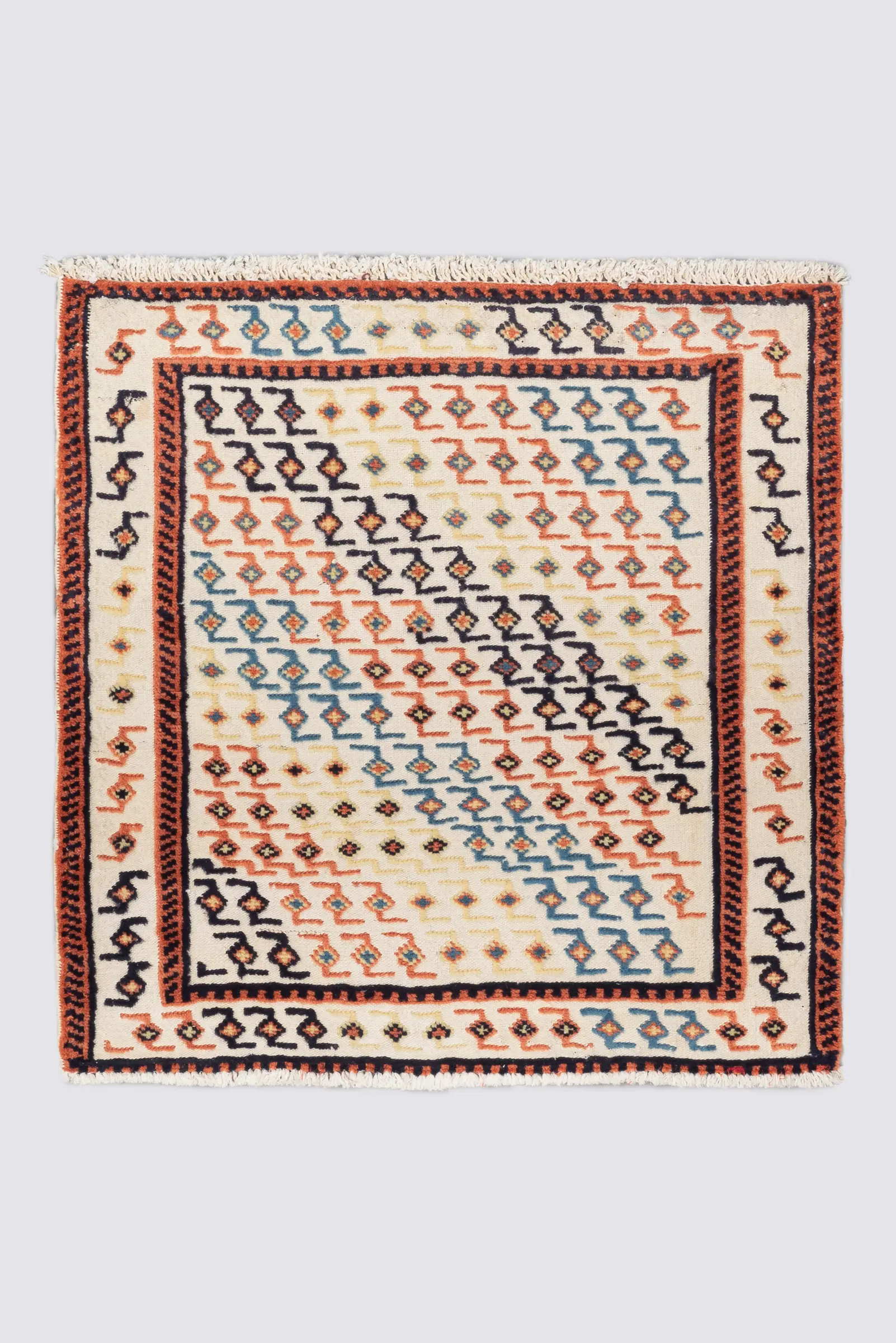
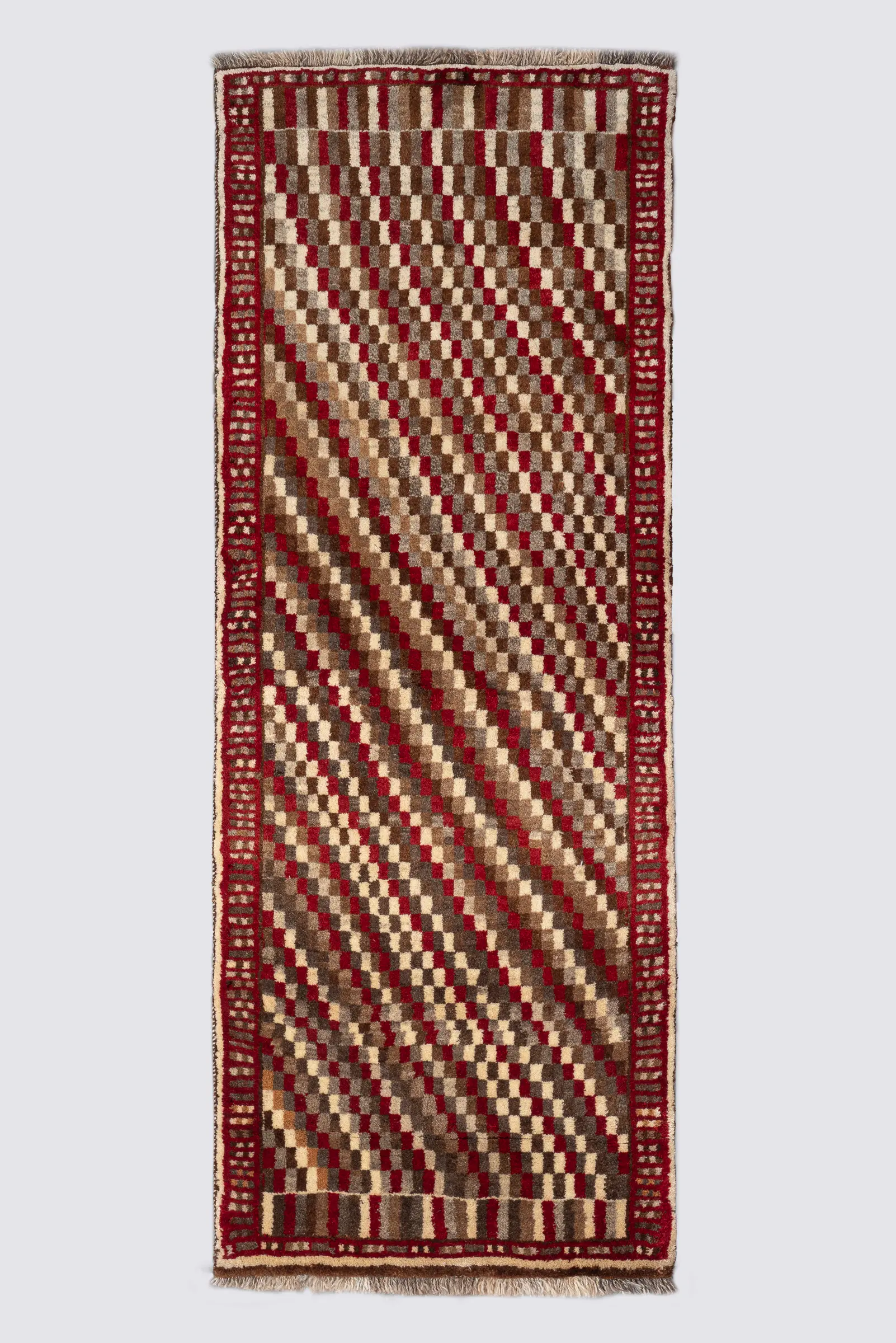
51 pieces from Chahar Mahal and Lorestan are in the collection now: 25 pile rugs, 10 gabbehs, 7 taaches, 7 kilims and 1 sumak. Among them are antique pieces woven in 1940 or earlier, vintage pieces from 1941 to 1999 and new weaves from 2000 on. They run from 0.4 m² to 9.9 m², so filter by size to find one for your room. Every one is handwoven in Iran, comes with a Certificate of Origin, and can be seen at our Richmond gallery.
FREQUENTLY ASKED
Where can I buy authentic Persian rugs in Melbourne?
Dyad Artisans is Melbourne’s specialist gallery for authentic Persian rugs, kilims, and collectible carpets. The gallery is at 273a Swan Street, Richmond, open Wednesday to Sunday or by appointment. Almost every rug at Dyad Artisans is Persian, woven in Iran. Now and then we bring in a piece from a neighbouring tradition, a Kuba from the Caucasus or a Hereke design from Anatolia. Each is what its name says, woven where it belongs. We do not sell imitations. Every rug comes with a Certificate of Origin.
Do you ship Persian rugs Australia-wide?
Yes. Dyad Artisans ships authenticated Persian rugs Australia-wide by courier. We offer free delivery on orders over $200 Australia-wide. Every rug ships with its Certificate of Origin card.