Kerman
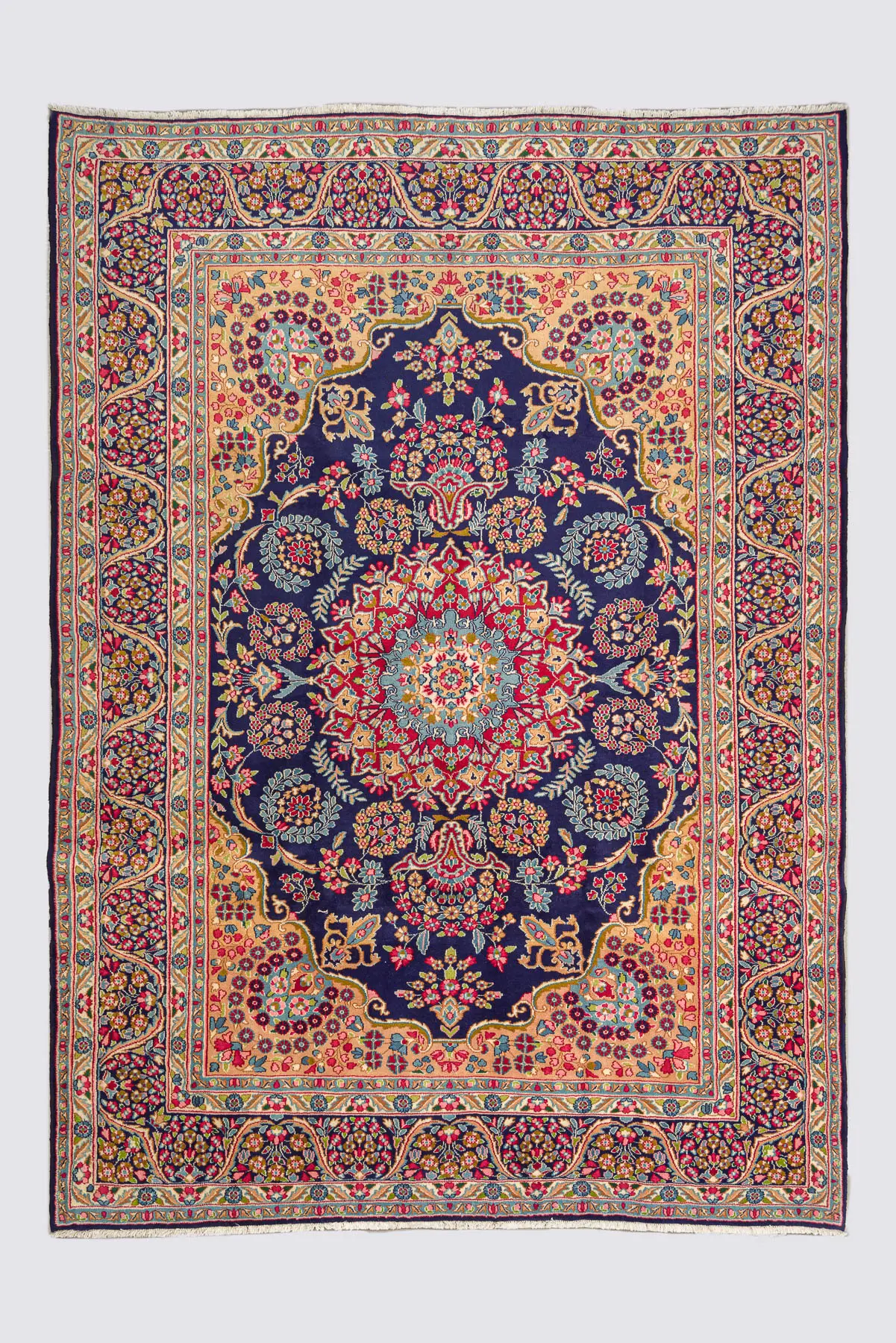
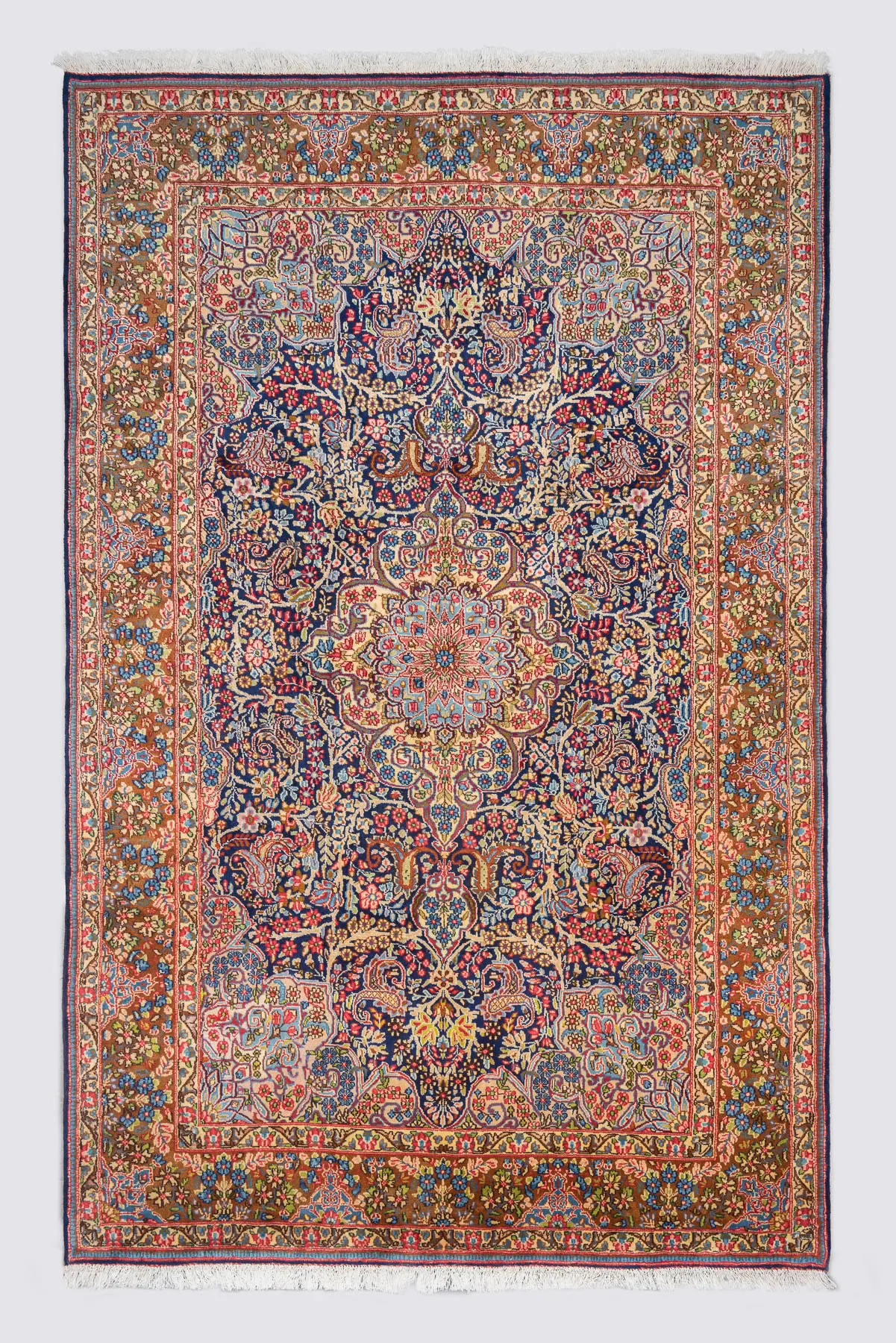
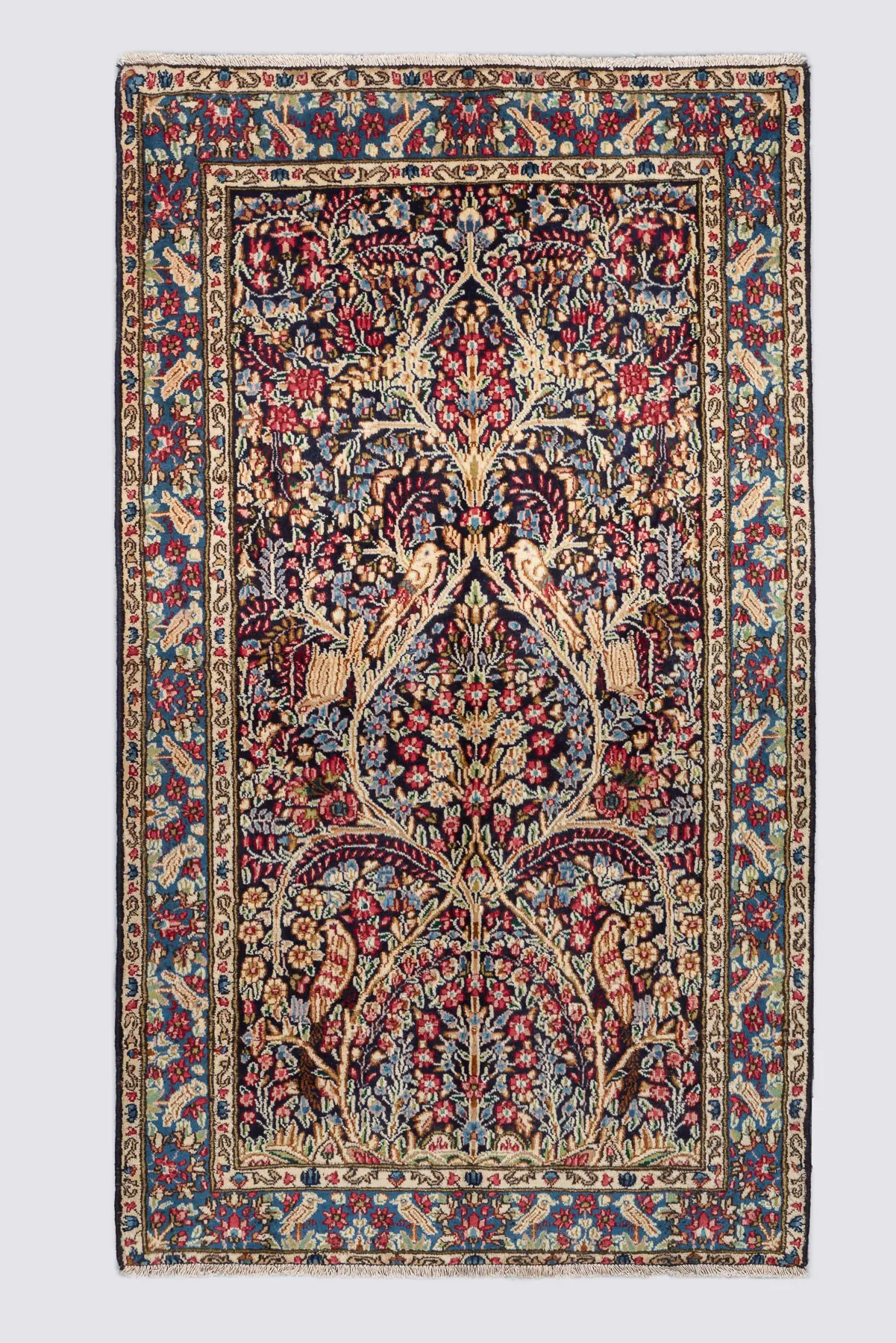
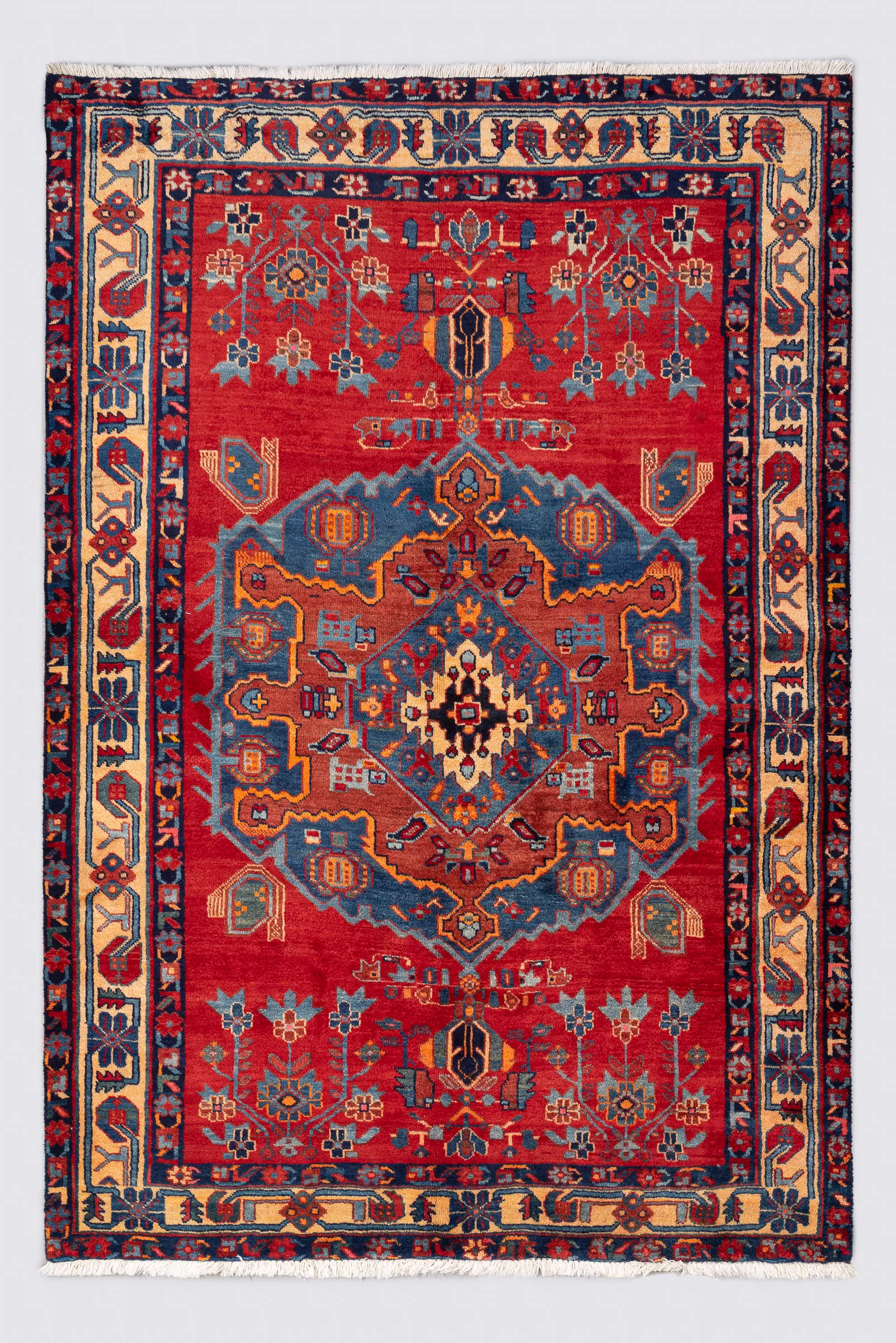
Kerman is the provincial capital of south-east Iran and, since the late nineteenth century, a major centre of city carpet weaving; the nearby village of Ravar gave the trade grade 'Lavar Kerman'. City workshops use the asymmetric knot, now on cotton, with local kork wool, while the province's tribal weavers, chiefly Afshar, typically use the symmetric knot. Kerman dyers are known for an unusually wide range of shades.
Sirjan
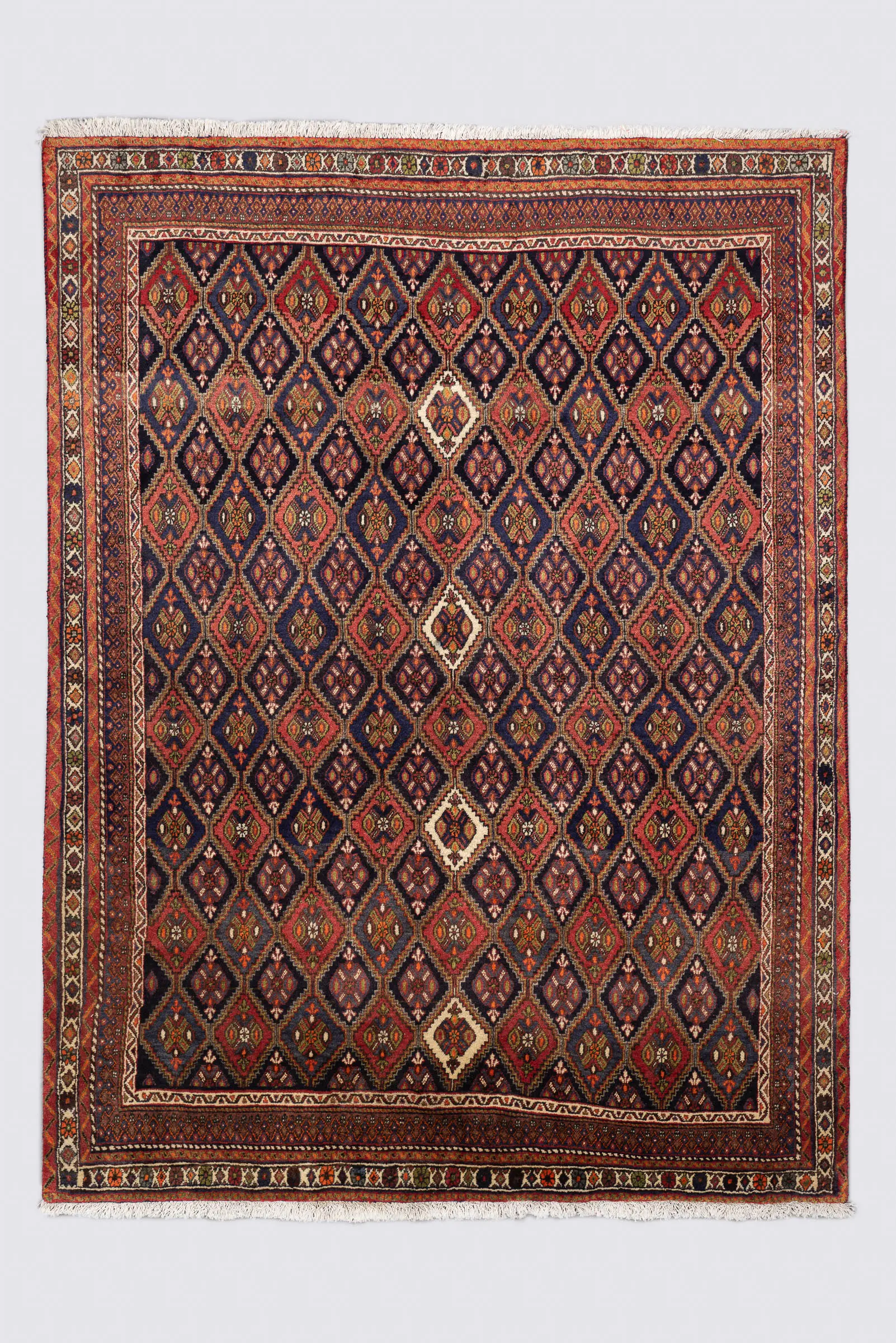
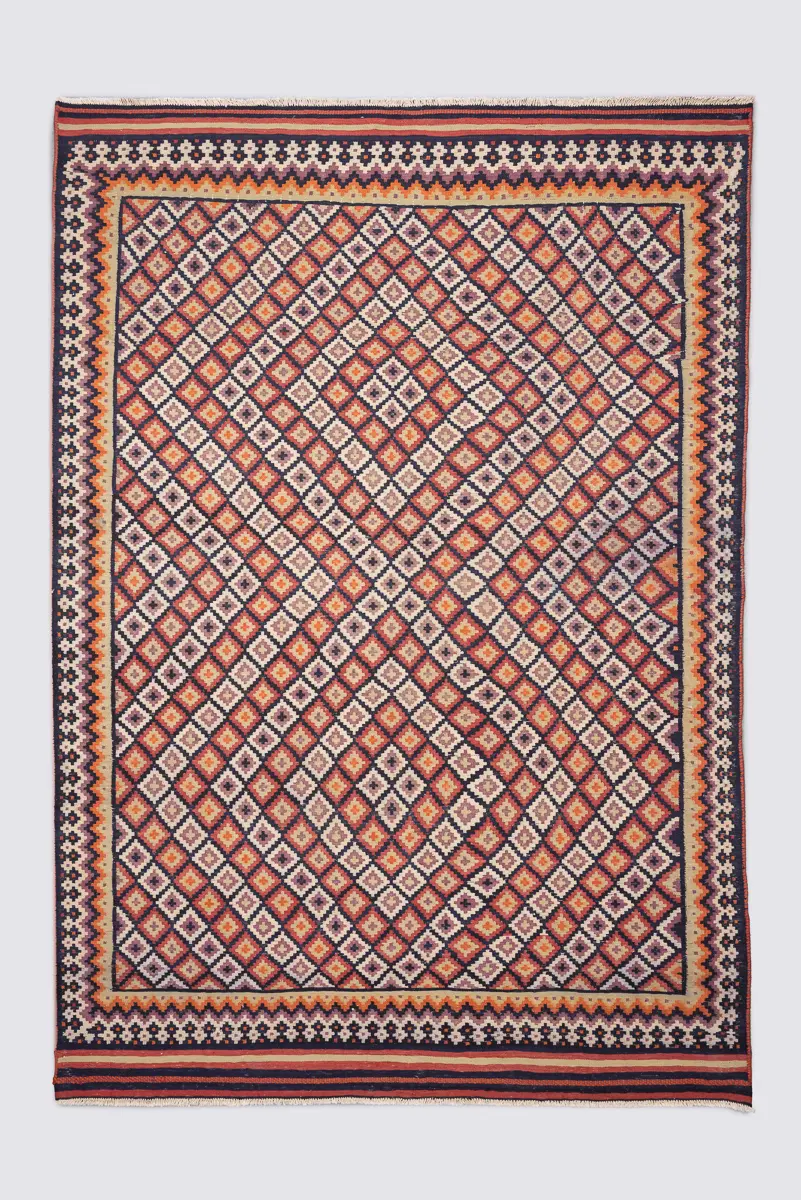
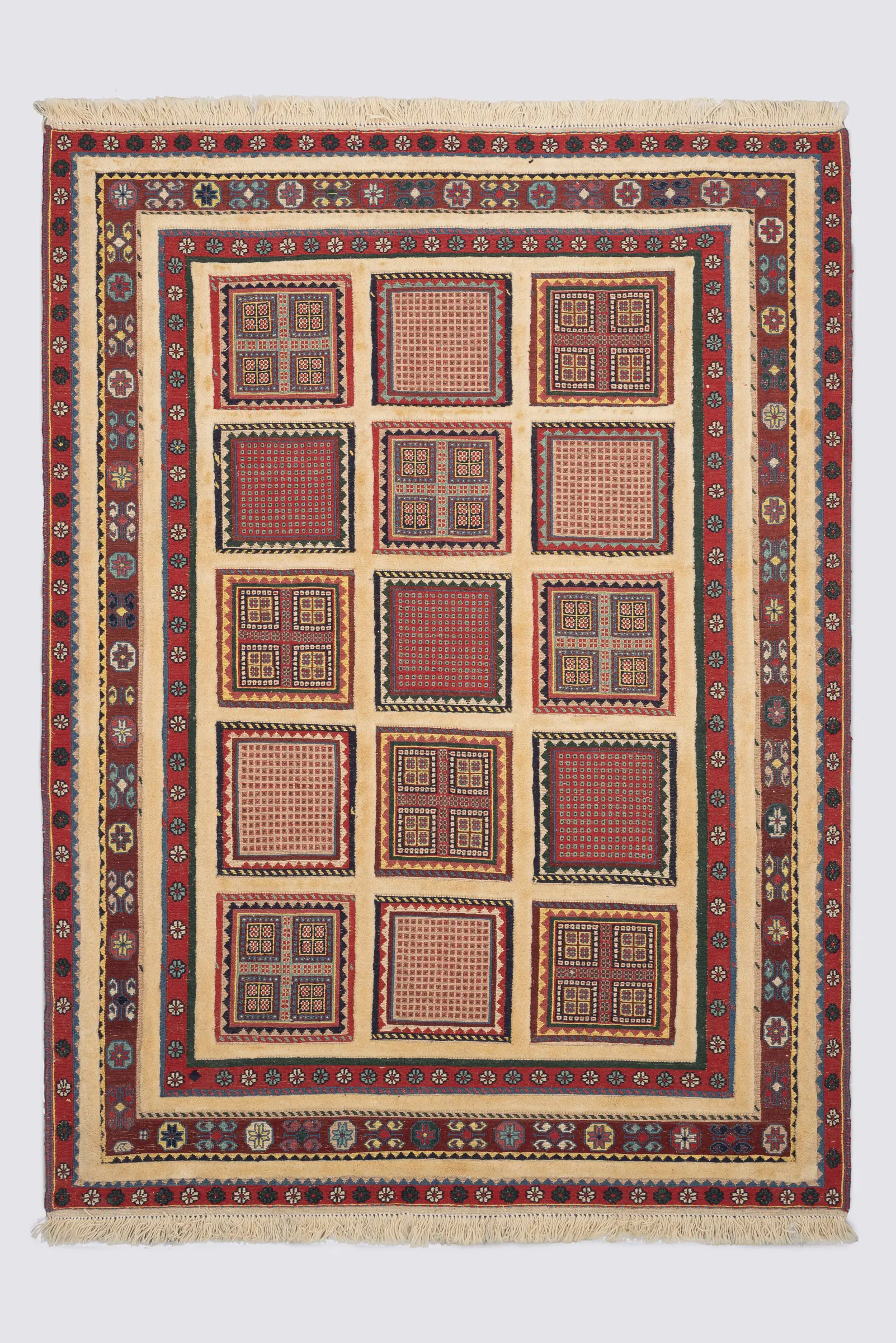
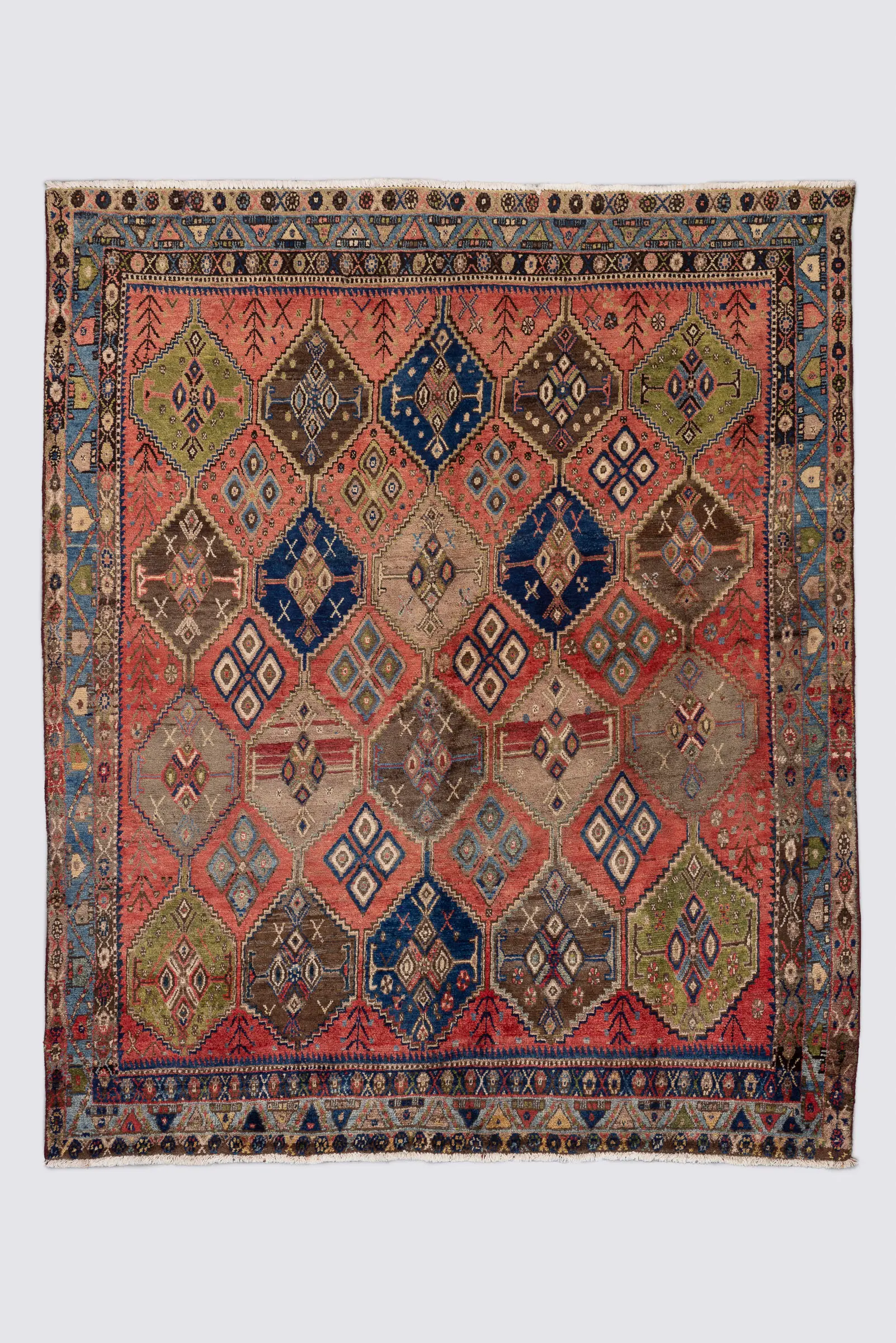
Sirjan is a town and district in western Kerman province, south-east Iran, and the base of several nomadic Afshar groups, including the Jahanshahi, Amu'i and Buchaqchi, all recorded there as nomads in 1957. Remnants of a fourth Afshar group, the Mir Habibi, may survive around nearby Bardsir.
Dehaj
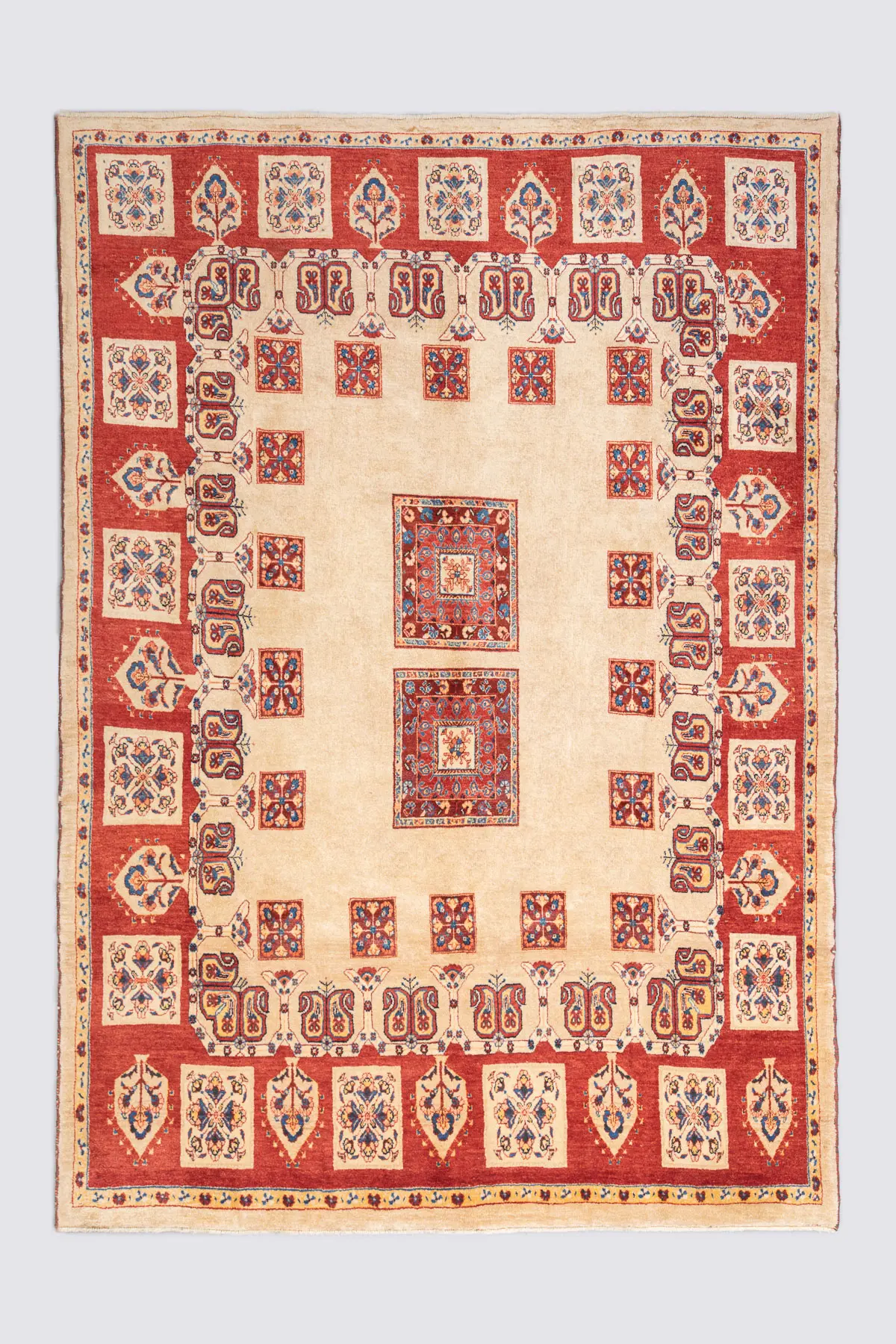
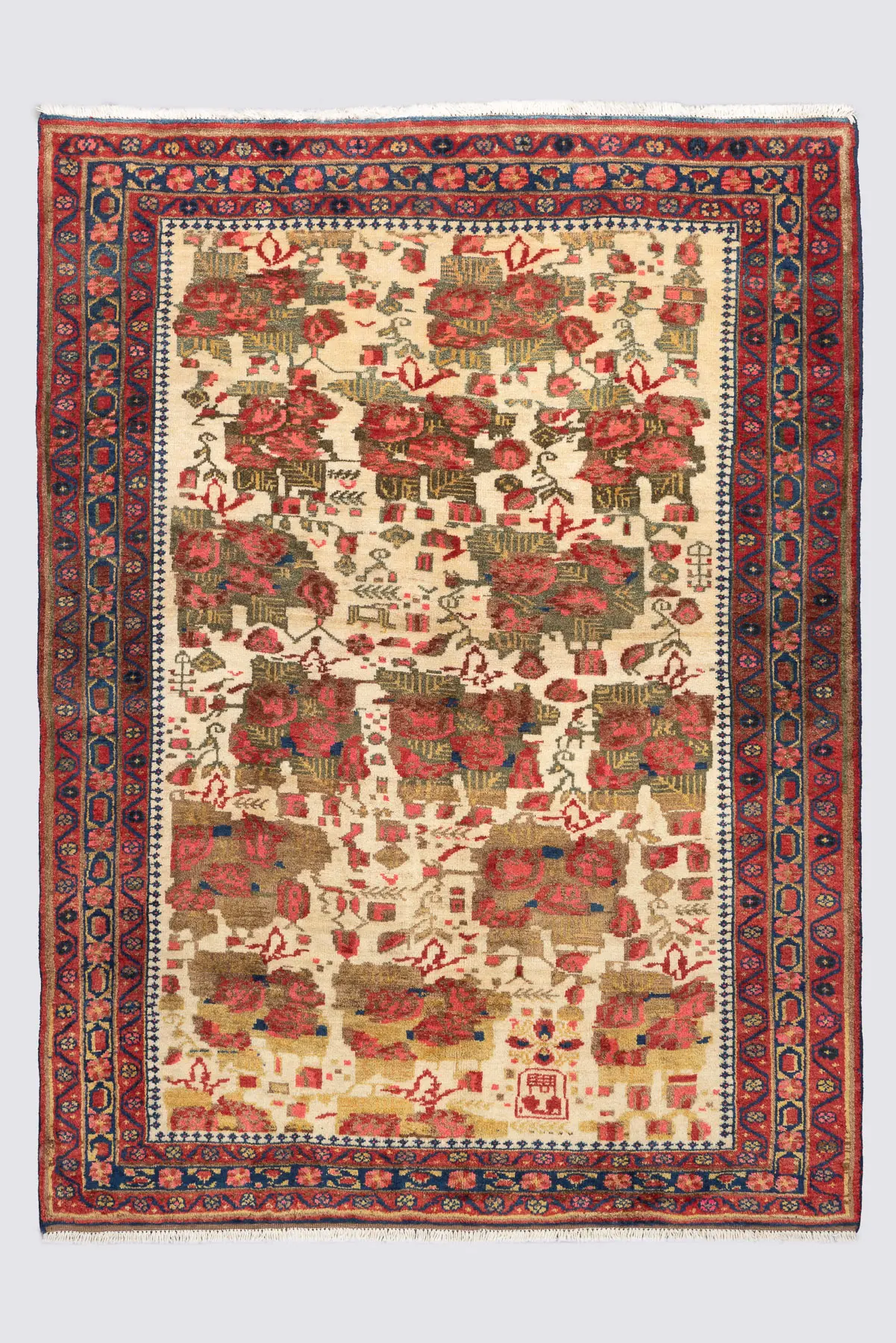
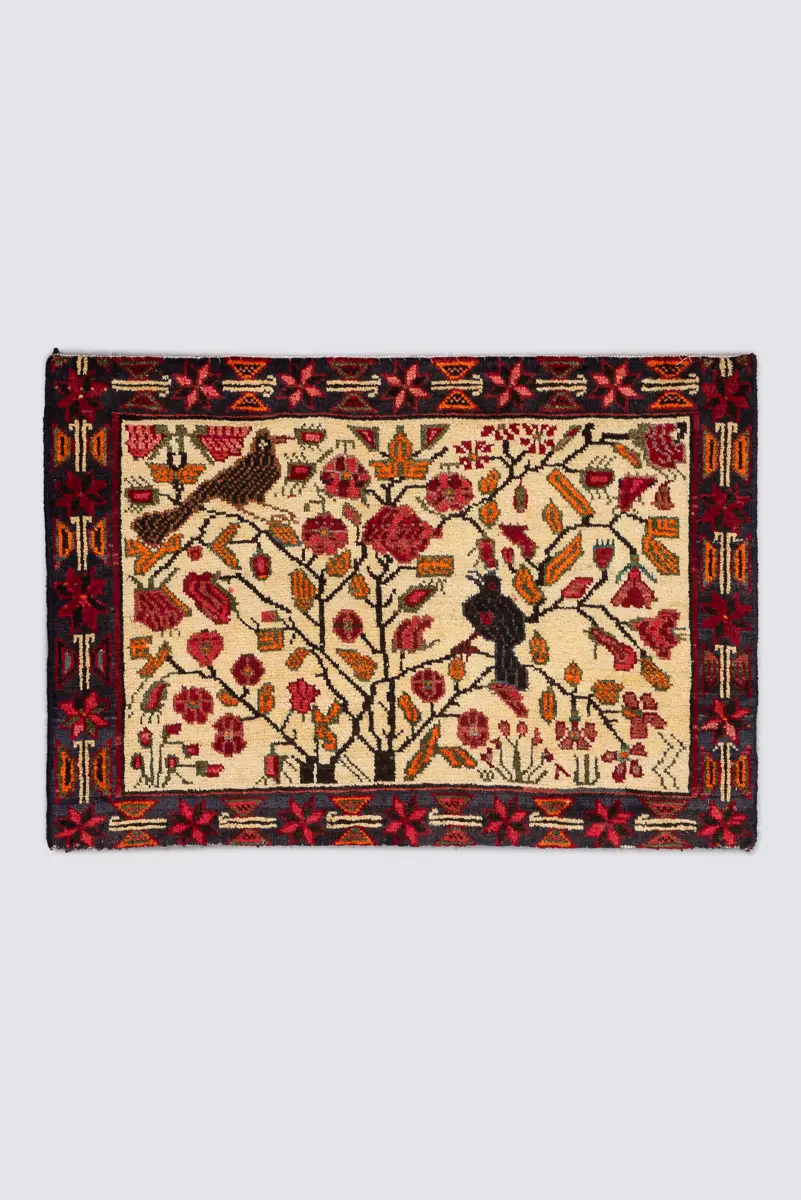
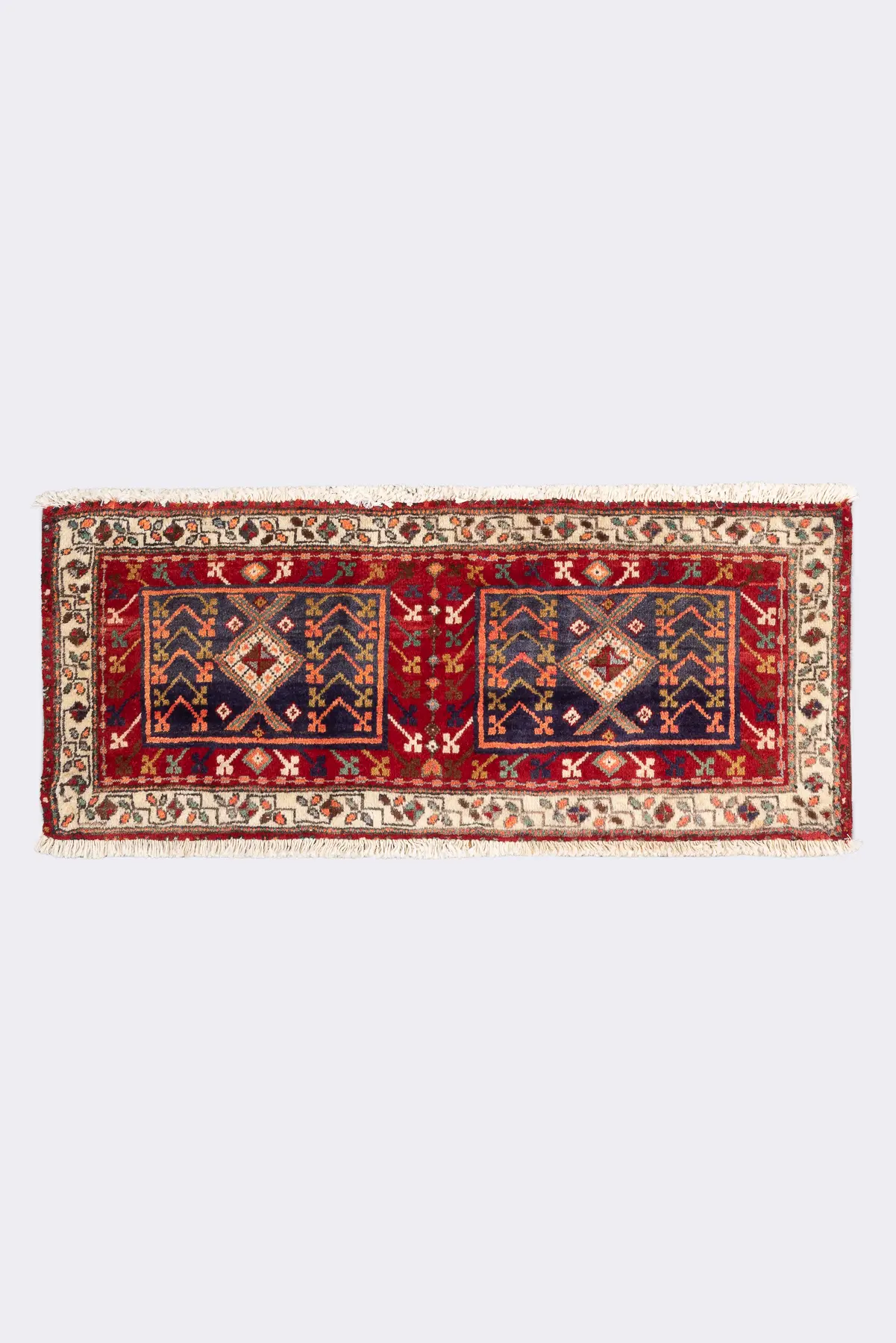
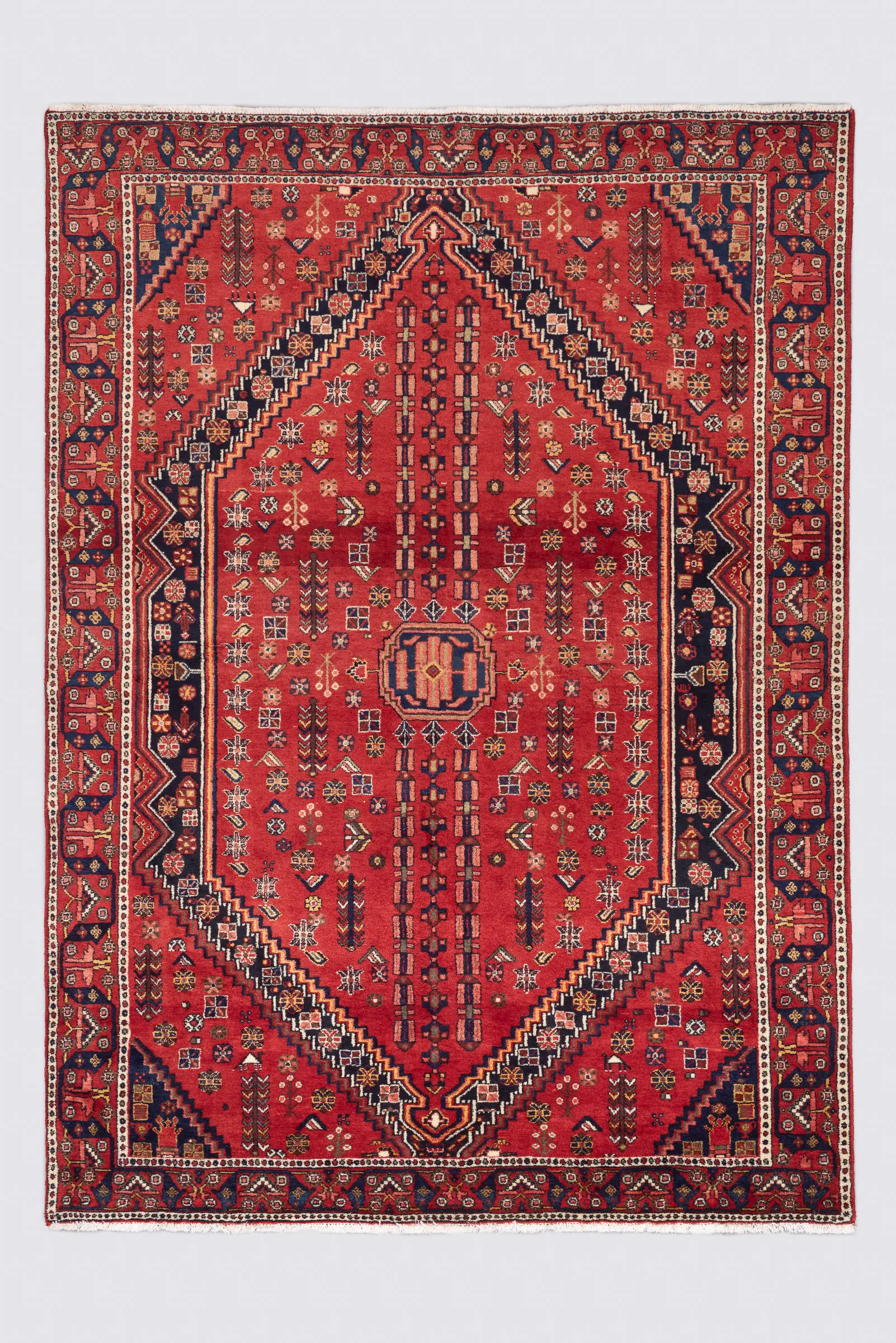
Dehaj is a small town in Shahr-e Babak county in north-west Kerman province. Its settled weavers' rugs are often sold in the West under the Afshar name, as ours are, like much of the village and nomadic weaving of Kerman.
Jebal Barez
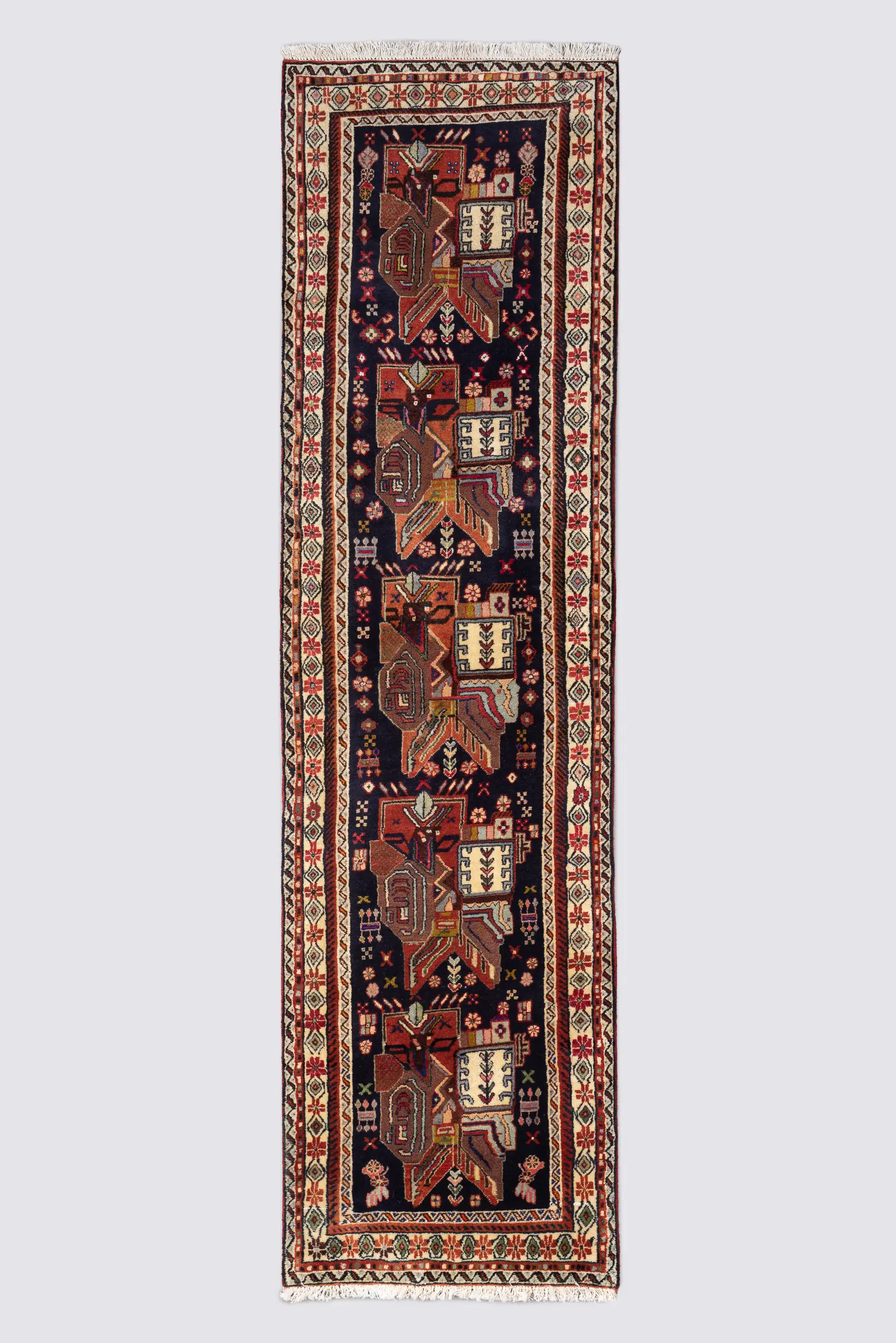
Jebal Barez is a mountain range in south-east Kerman province, east of Jiroft, forming the natural boundary between Jiroft and Bam. The Jabal Barezi villagers of the range are a tribal group of their own, whose work is often sold in the West as Afshar Kuhi.
Esfandagheh
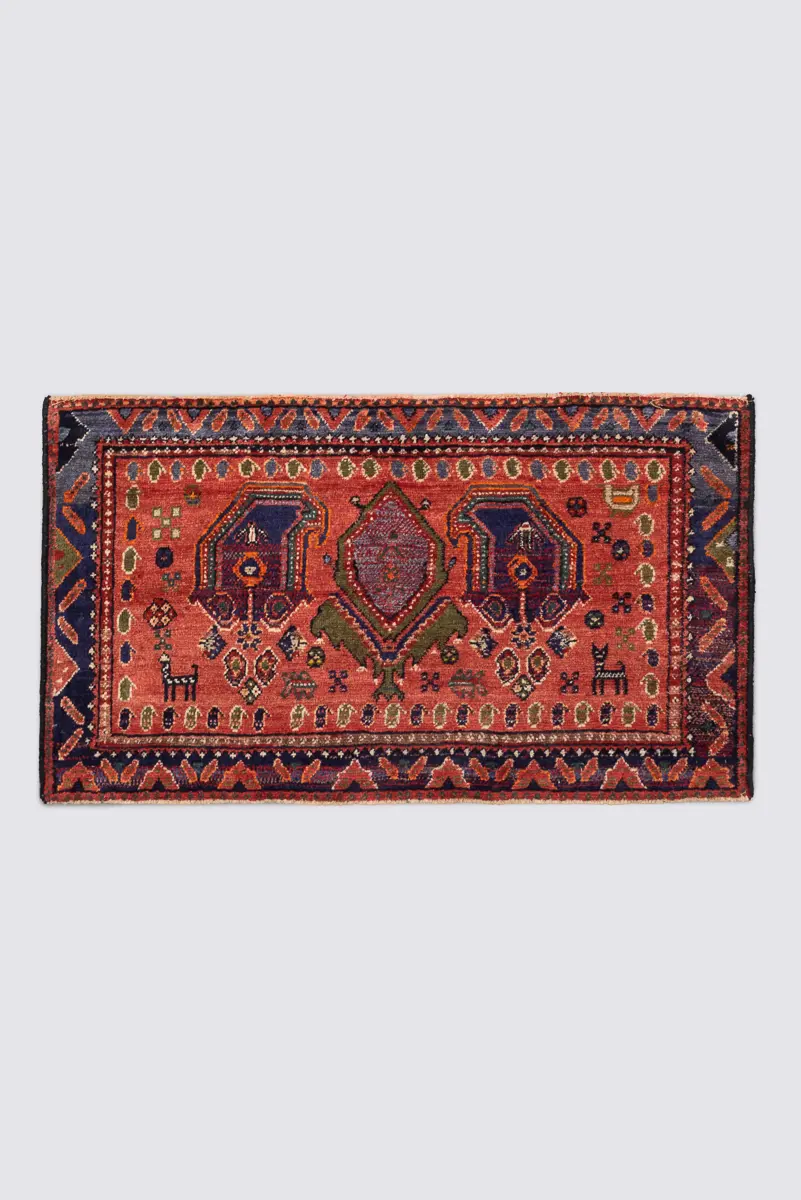
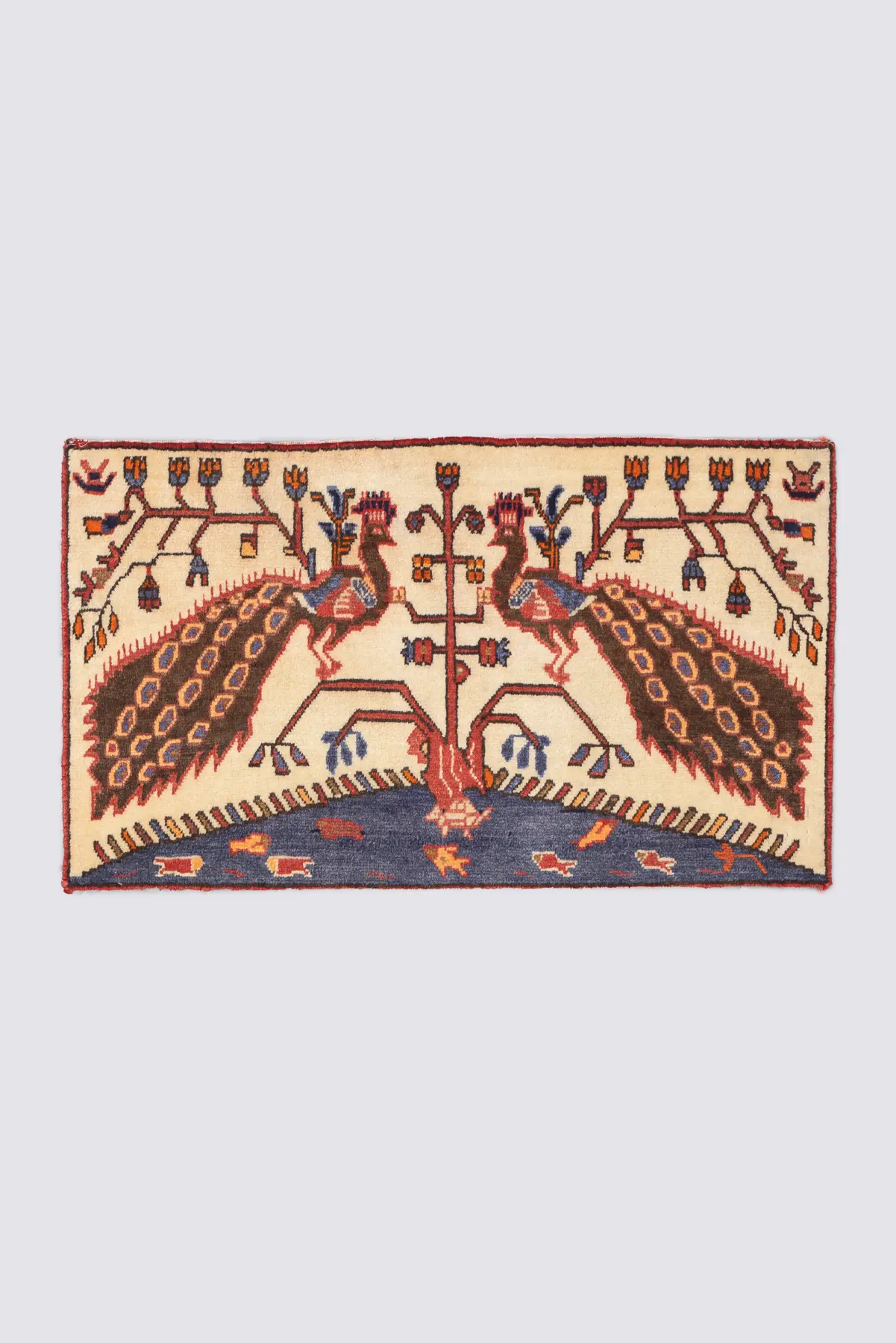
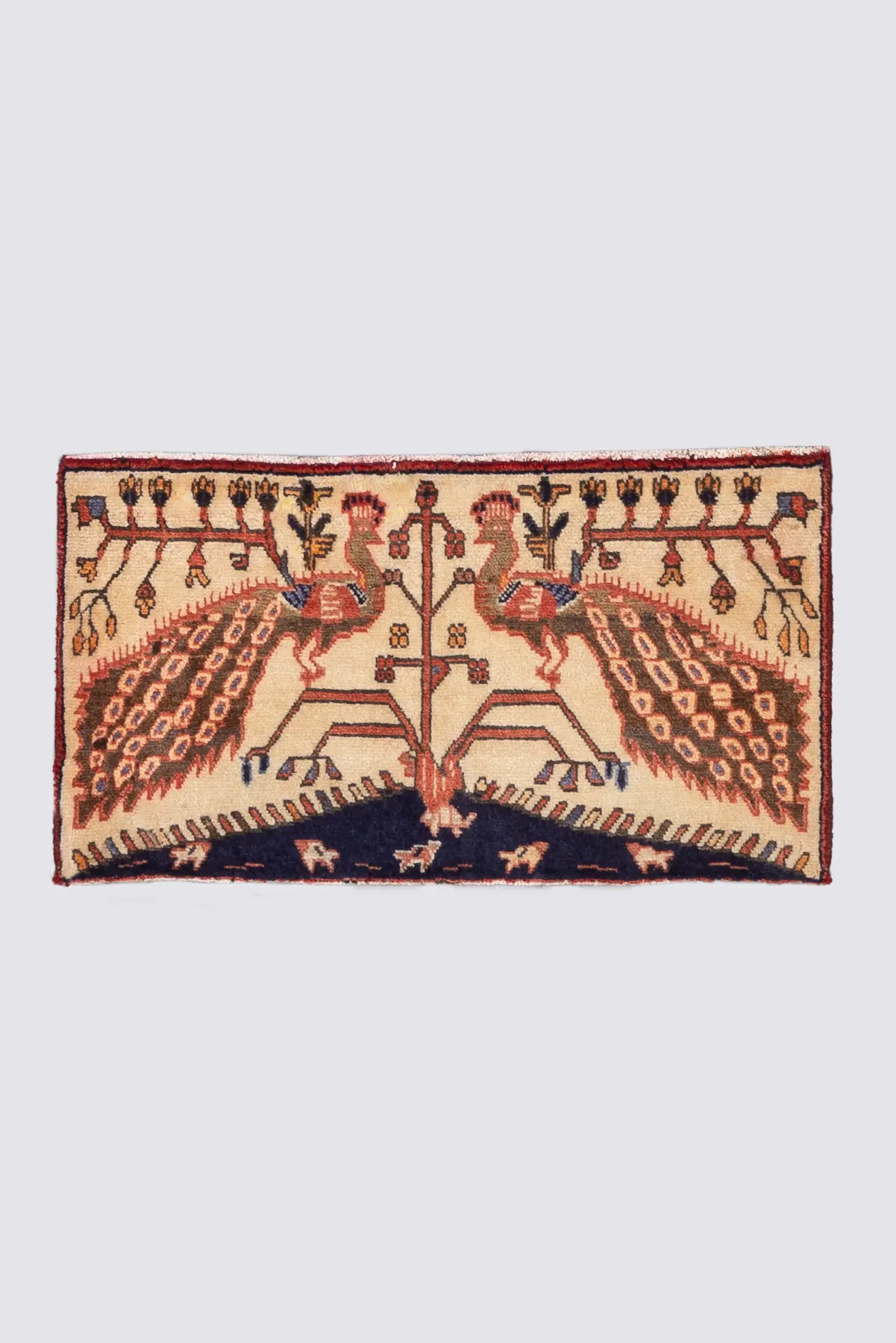
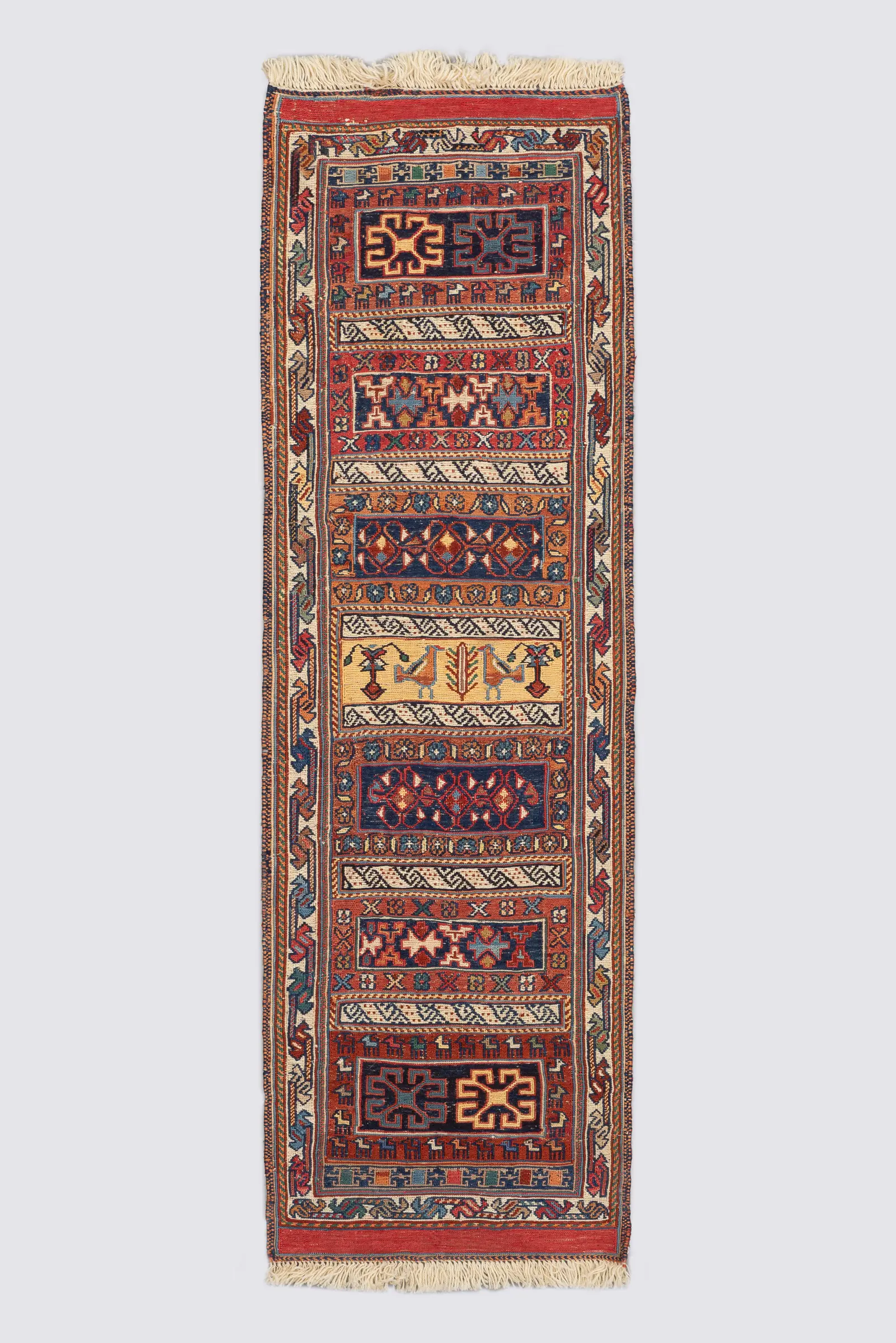
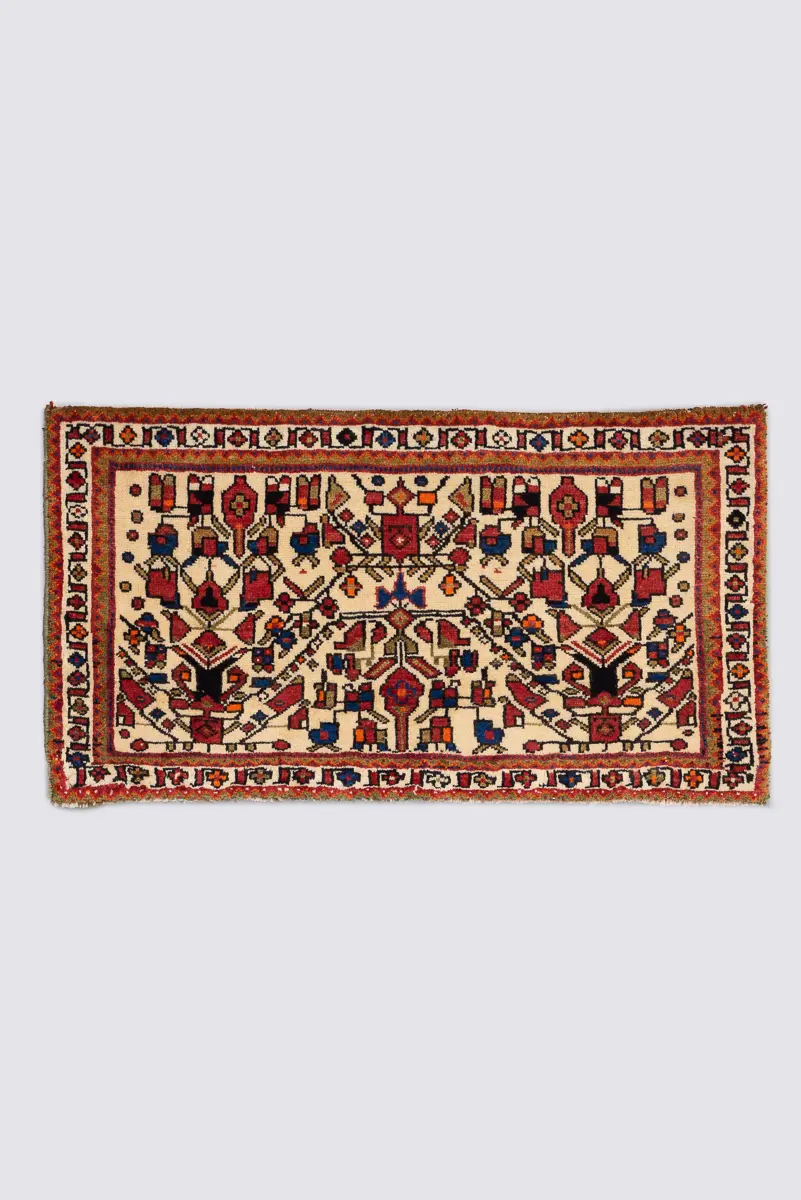
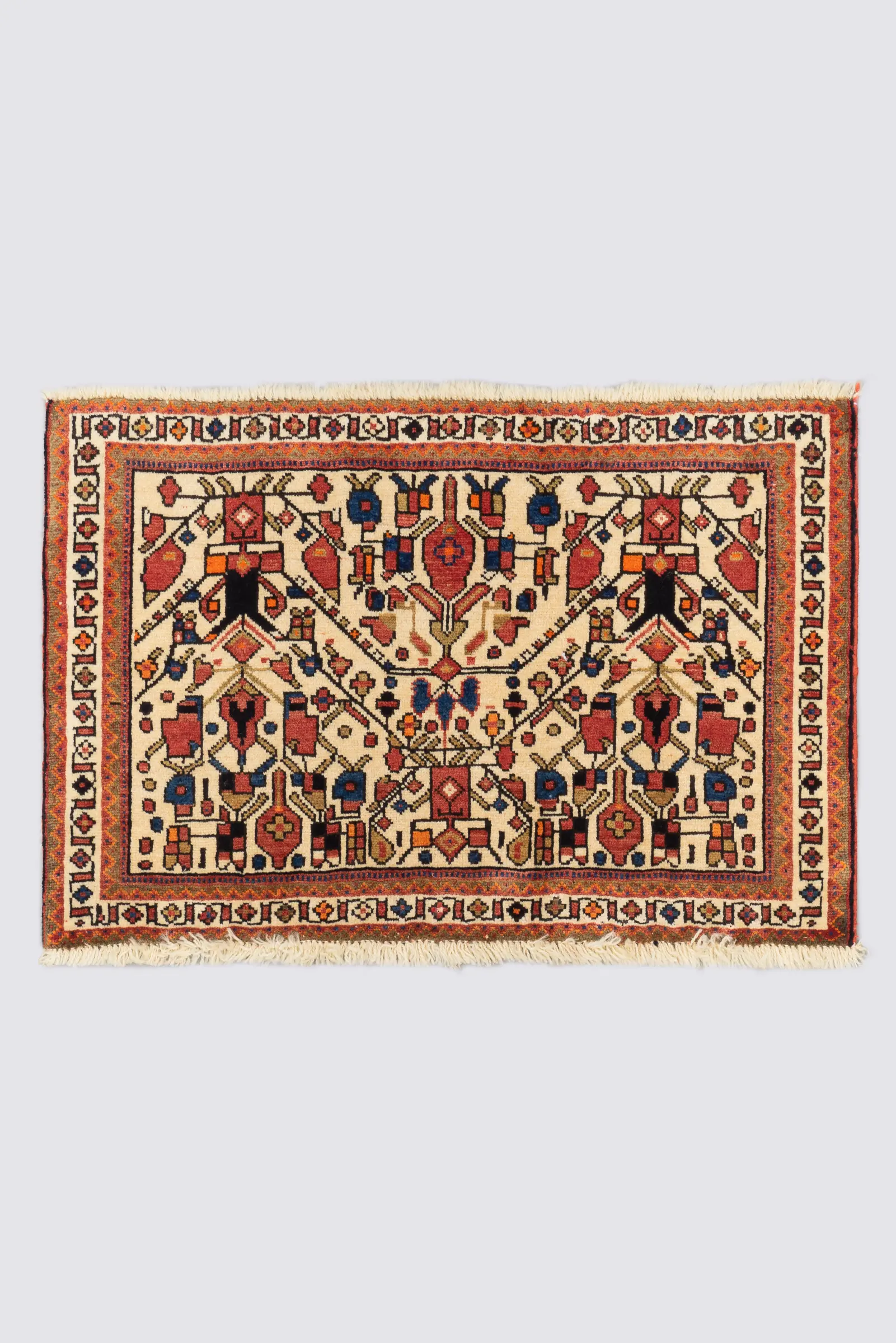
Esfandagheh is a cool upland district of southern Kerman province, west of Jiroft and south of Rabor, watered by qanats and branches of the Halil Rud; the name also belongs to a mountain west of Jiroft. Dehkhoda, quoting Kayhan's geography of Iran, names carpets as the district's manufacture. Our Esfandagheh bags are its work, sold, like much Kerman weaving, under the Afshar name.
Kerman country
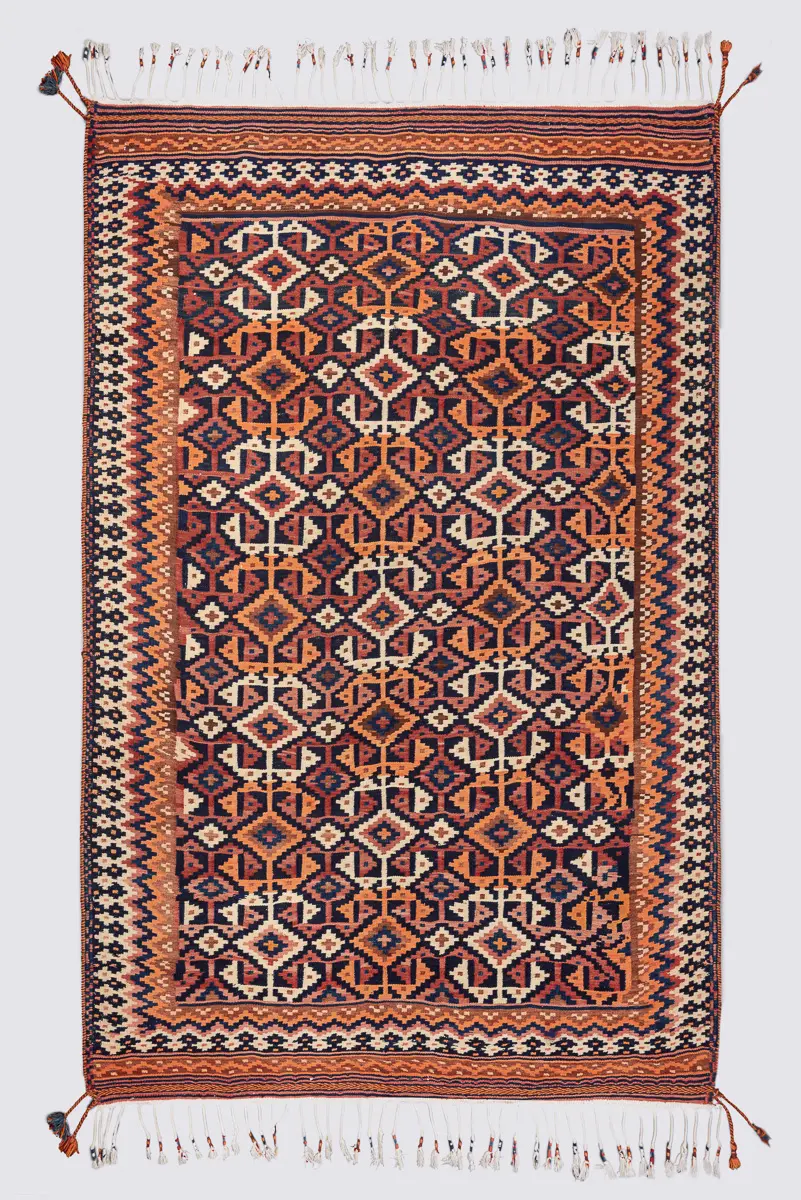
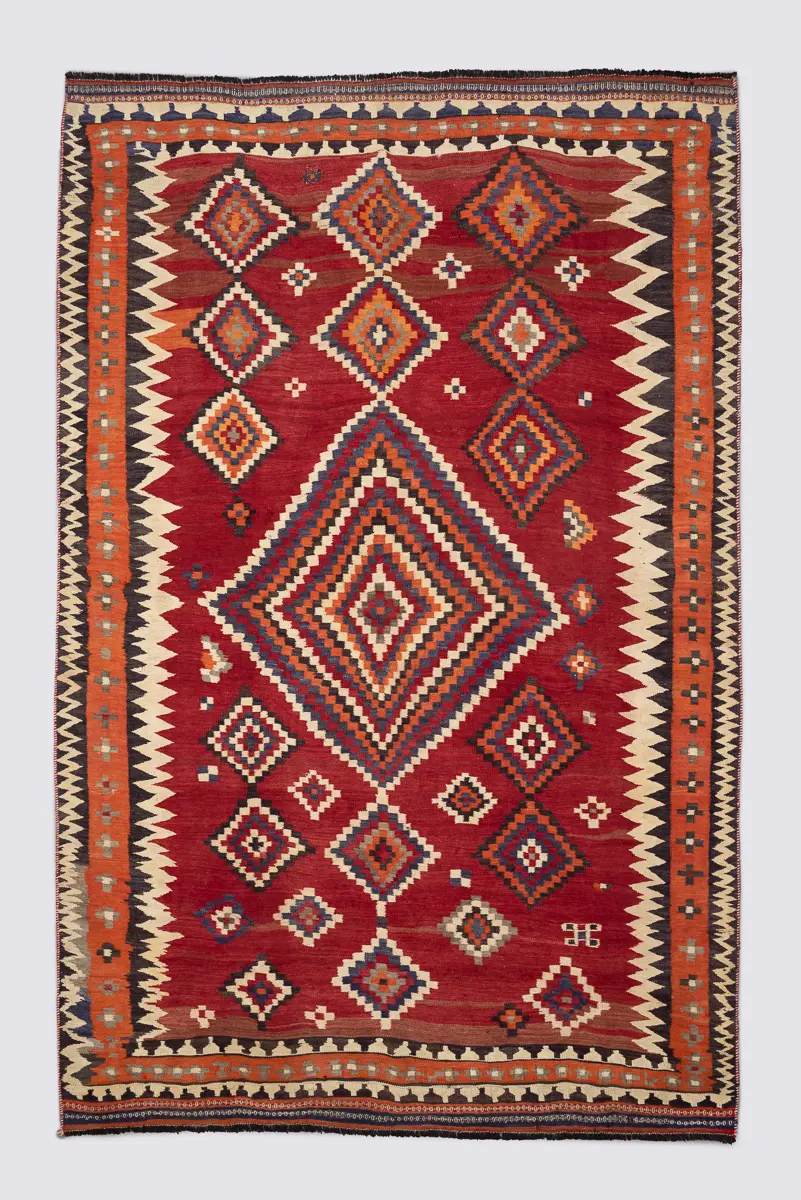
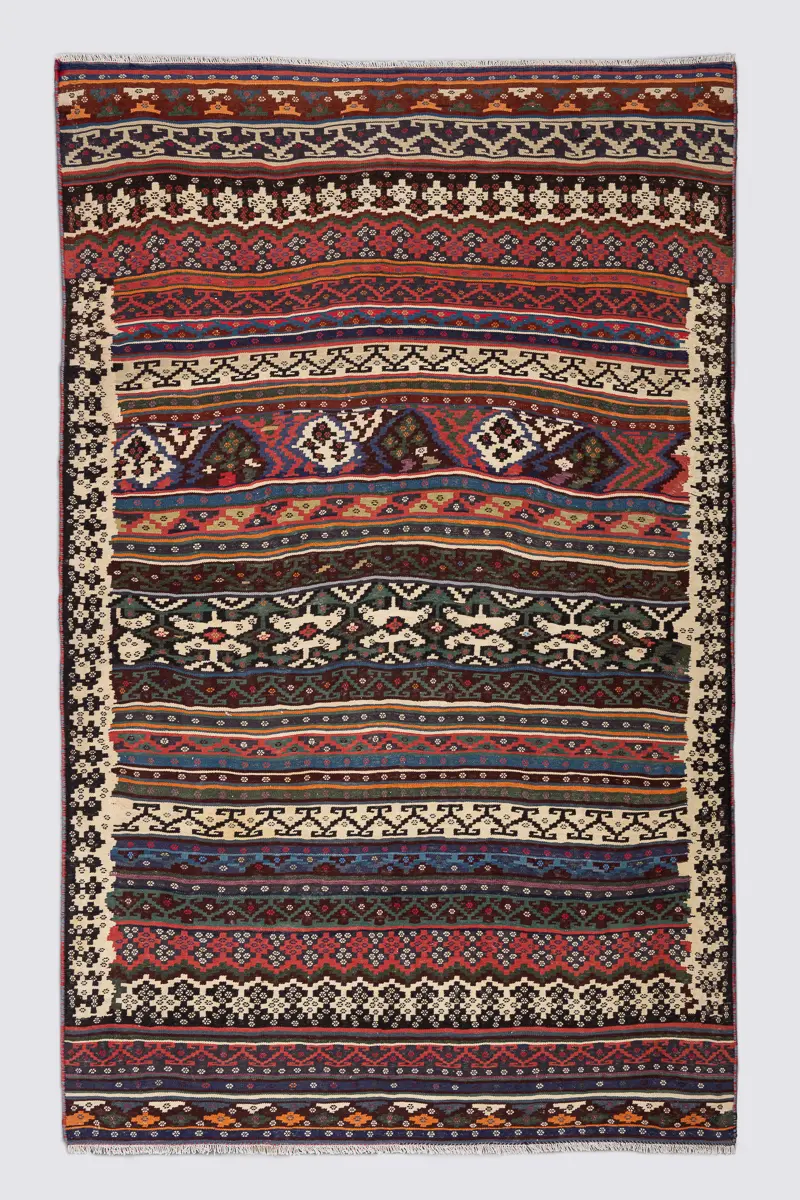
On this site, Kerman country means the village and nomadic weaving of Kerman province, as distinct from the workshop carpets of Kerman city and of the nearby villages that work under its master weavers and merchants. It is woven in districts such as Sirjan, Baft, Bardsir, Shahr-e Babak and Jiroft, and much of it is sold as Afshar, although other tribes and settled villagers weave it too. Designs are usually geometric; the symmetric knot is typical of the tribal work, but the asymmetric knot is also found.