From the field guide · places in Azarbaijan and the north-west
Azarbaijan
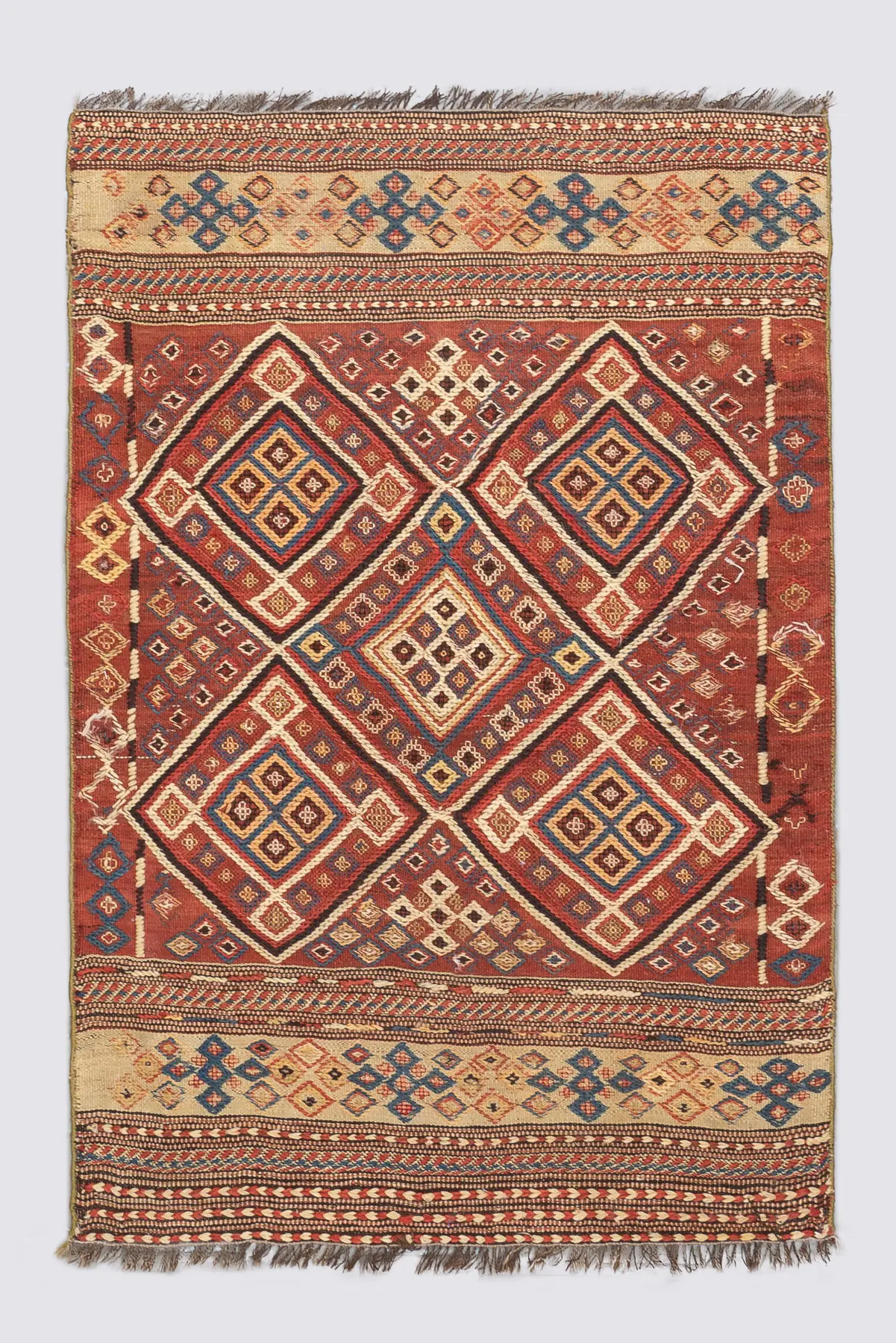
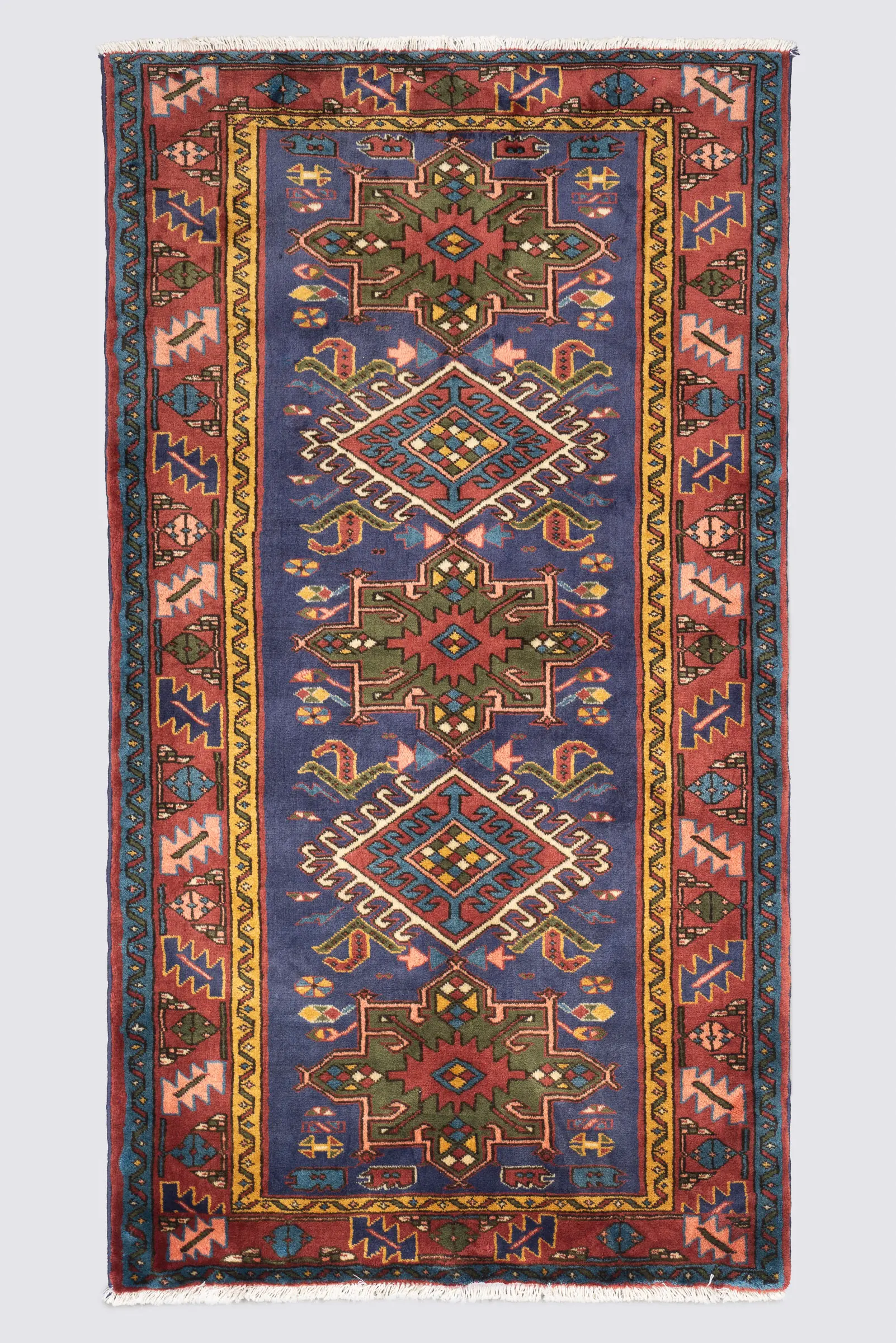
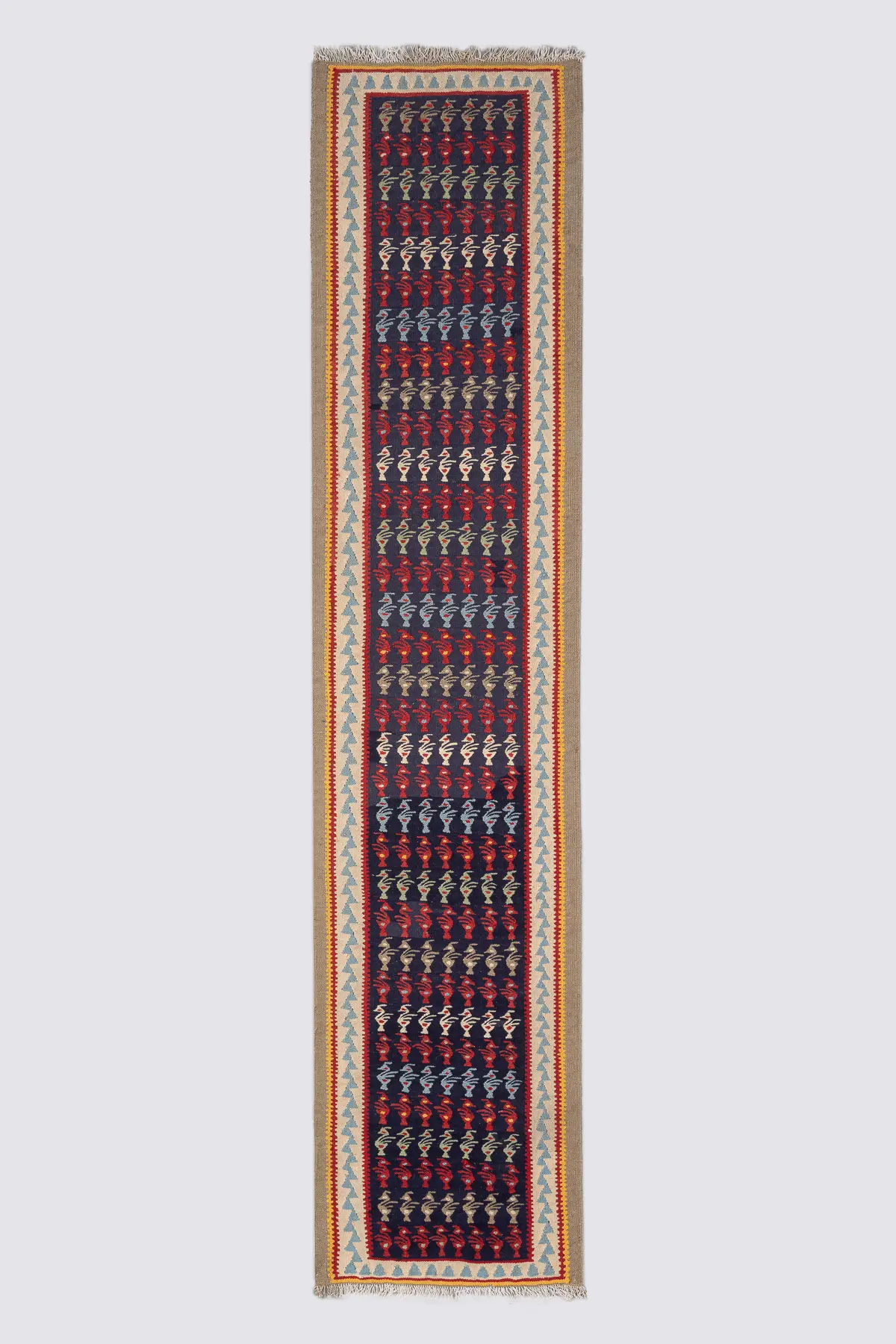
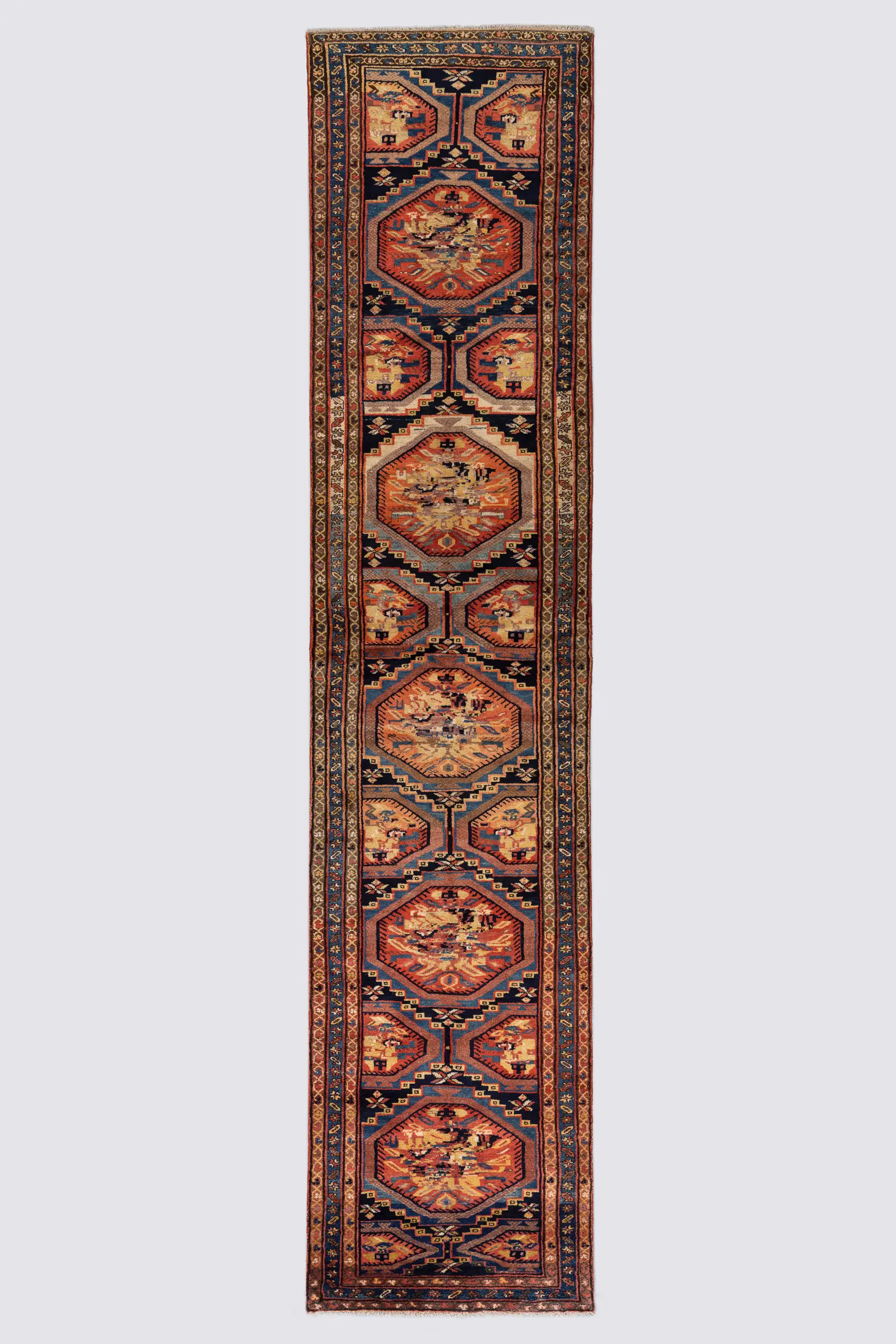
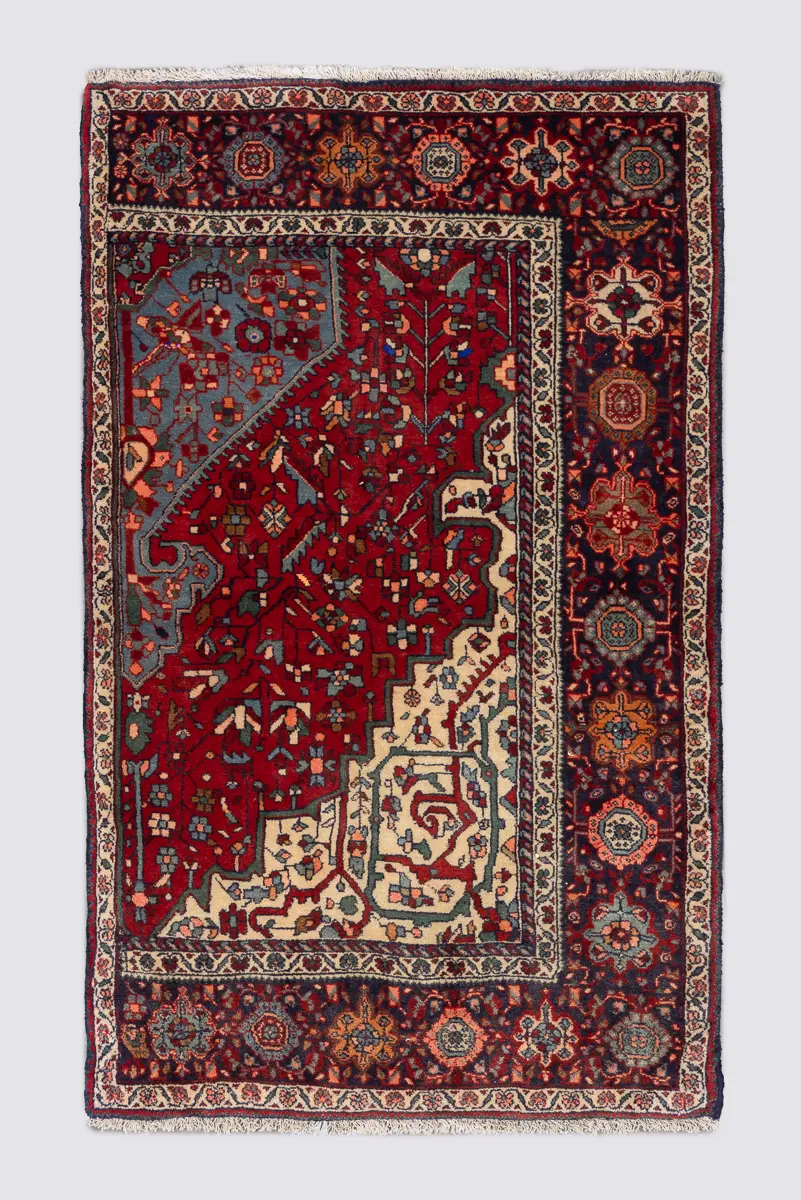
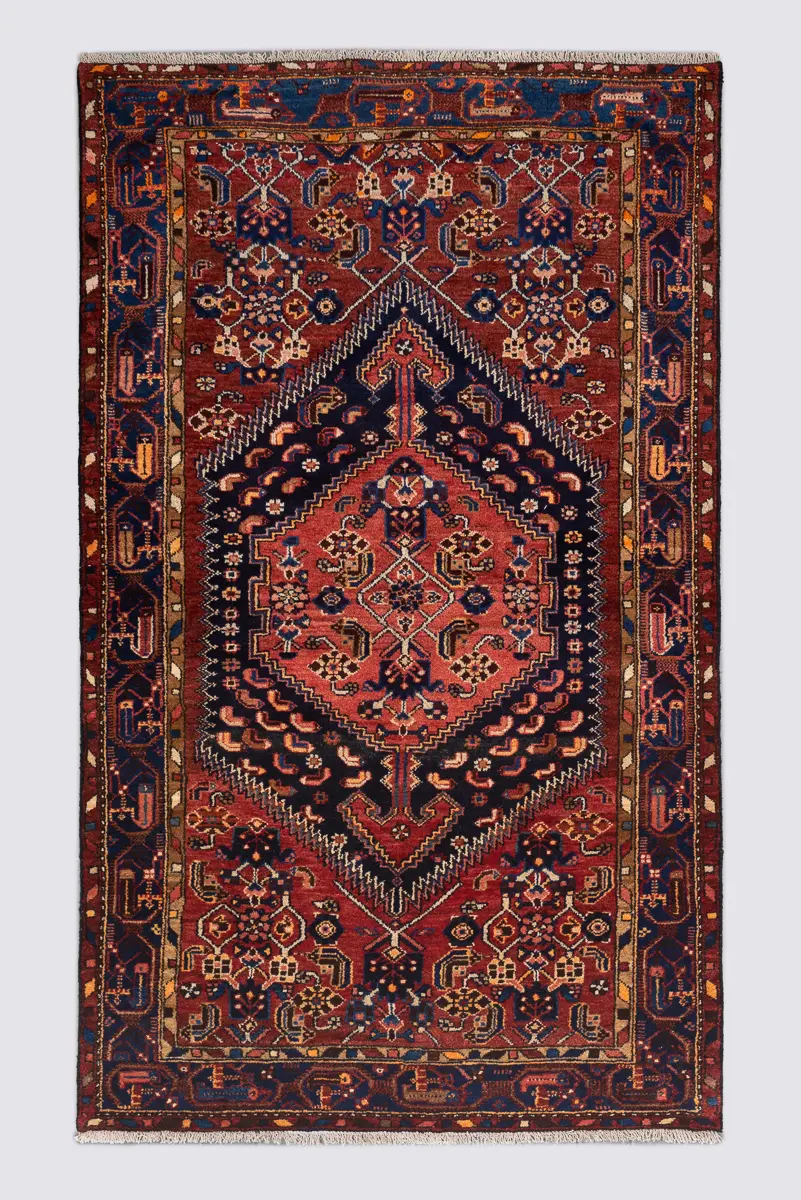
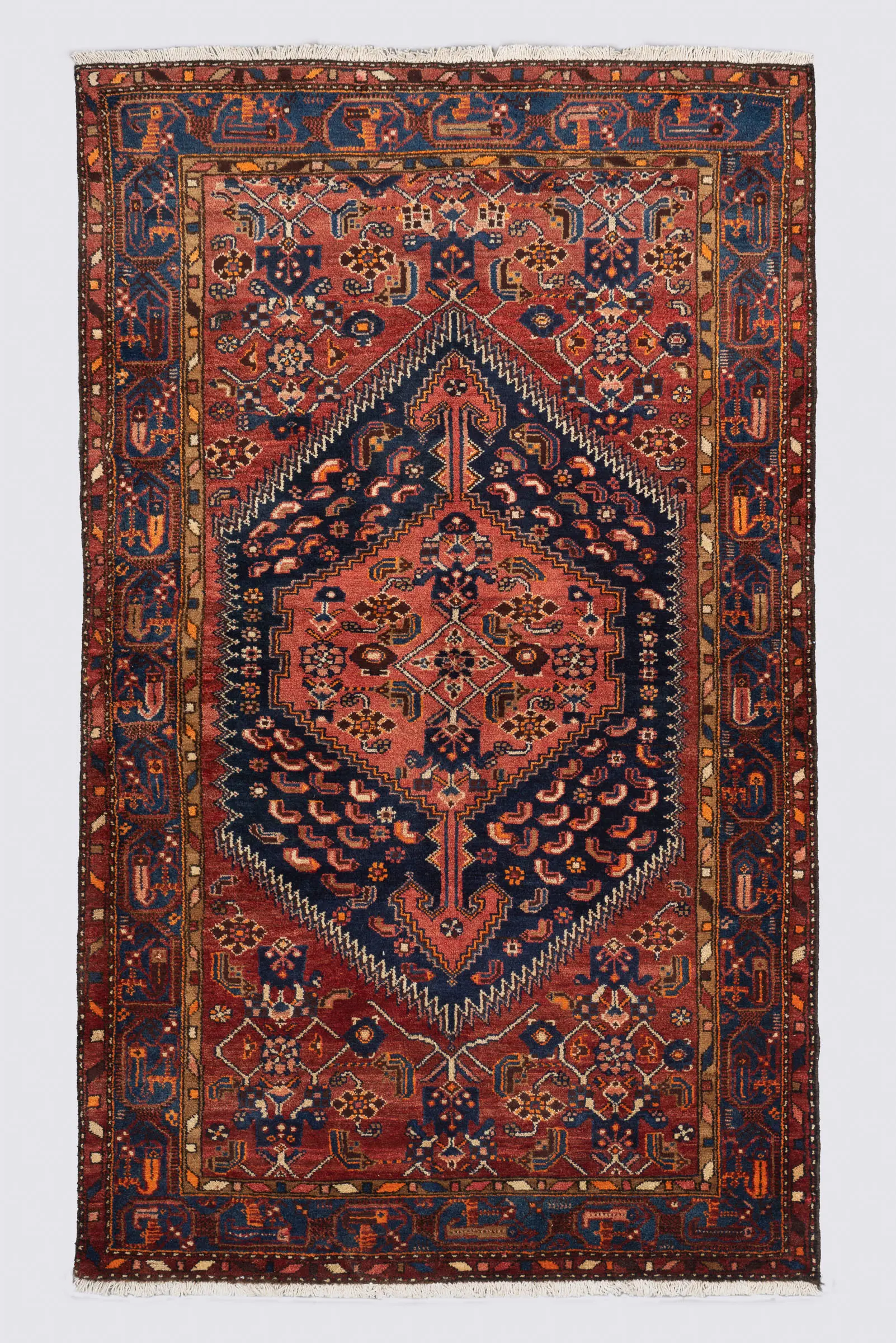
Azarbaijan is the region of north-west Iran around Tabriz, distinct from the Republic of Azerbaijan to the north. Its weaving ranges from the floral city carpets of Tabriz to the geometric kilims, soumaks and pile rugs of the Shahsavan nomads and of Kurdish tribes in the Qara Dagh, which Iranica describes as very similar to Shahsavan work.
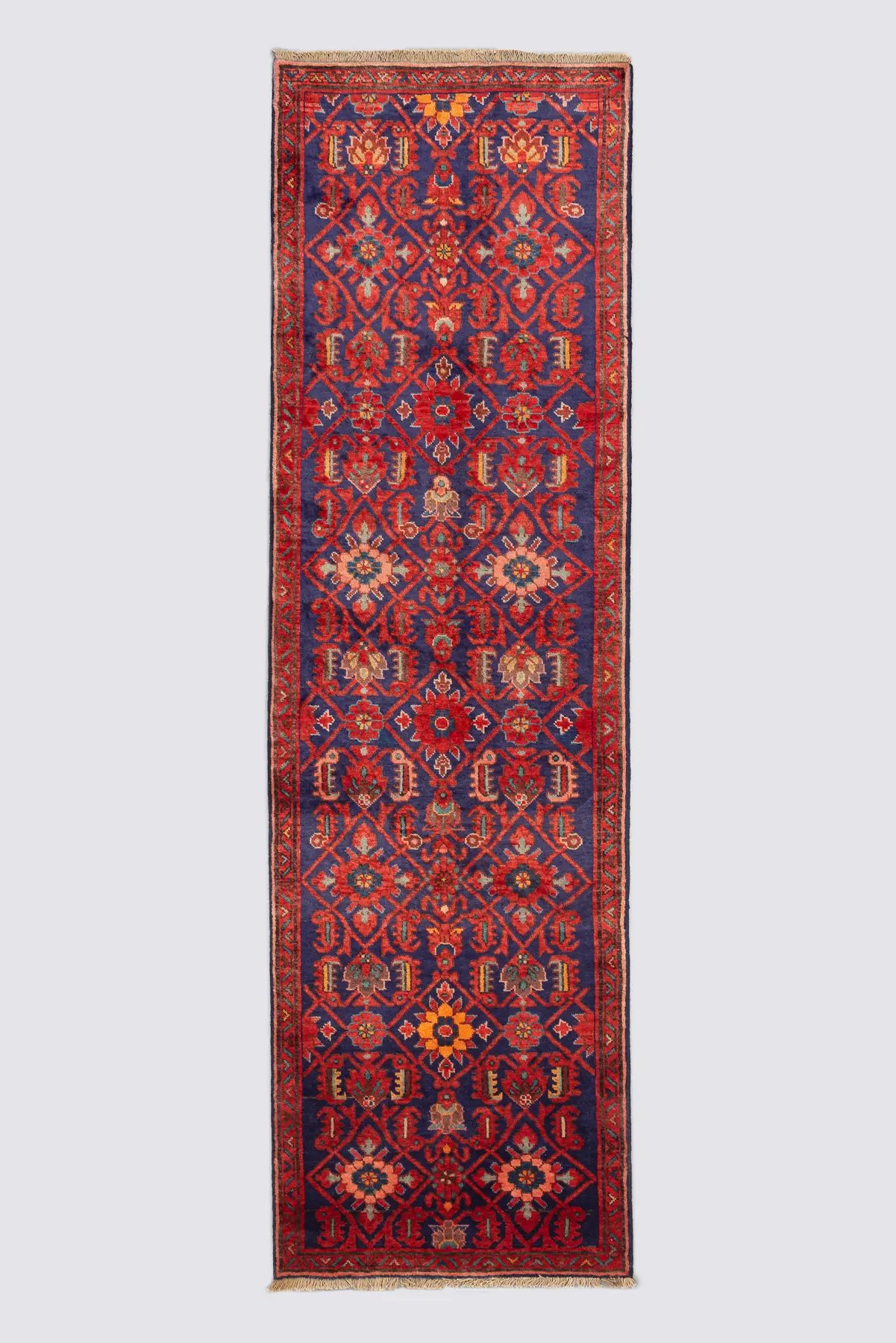
Zanjan is a city and province of north-west Iran, about halfway along the Tehran to Tabriz railway; the district between Zanjan and Qazvin is known as Khamseh, unrelated to the Khamseh tribes of Fars. Inallu and Afshar groups, both also called Shahsavan, settled in Khamseh, Kharaqan and Tarom; most Shahsavan of Khamseh and Kharaqan were settled by 1900. Most of our Zanjan rugs come from the village of Qoltuq.
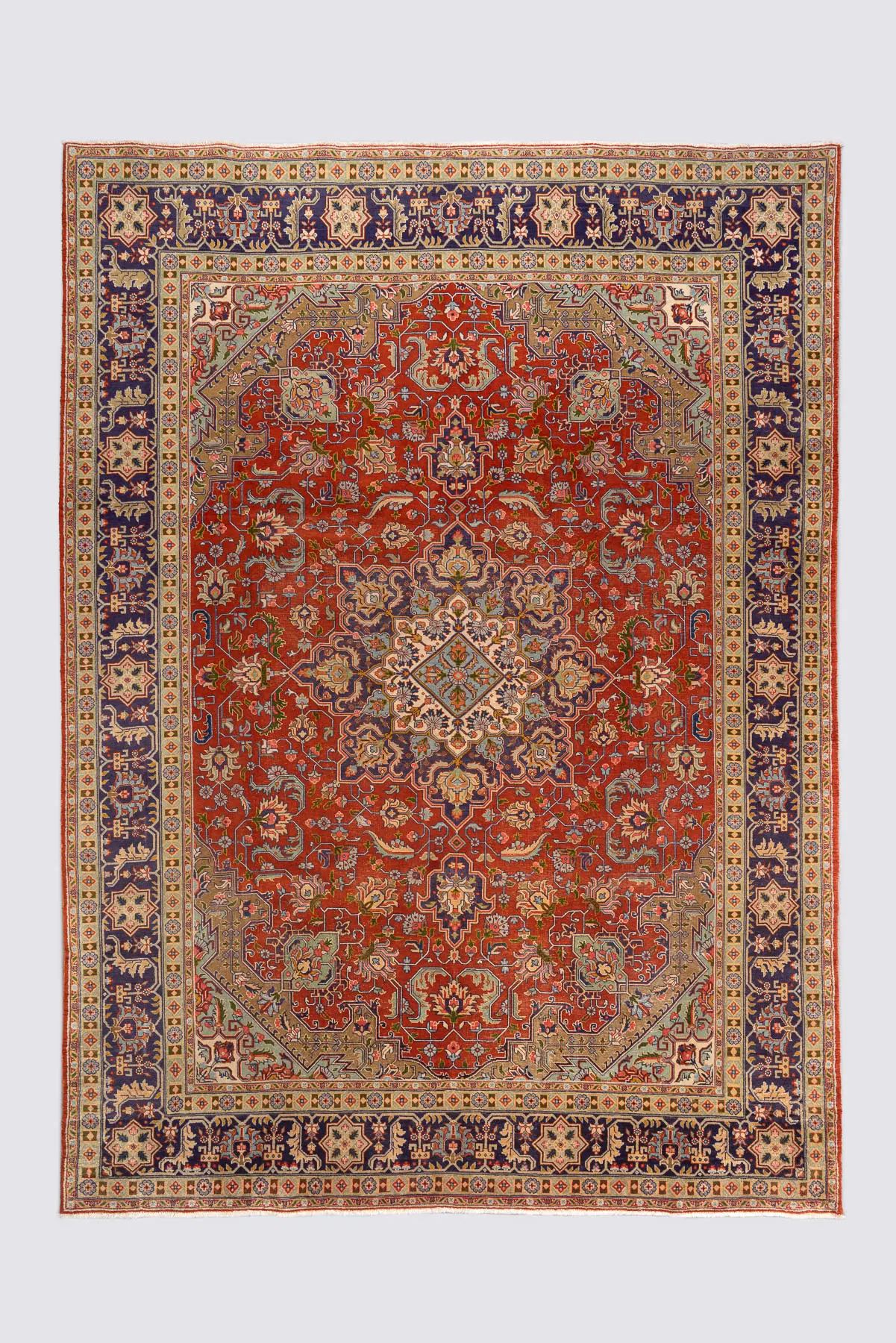
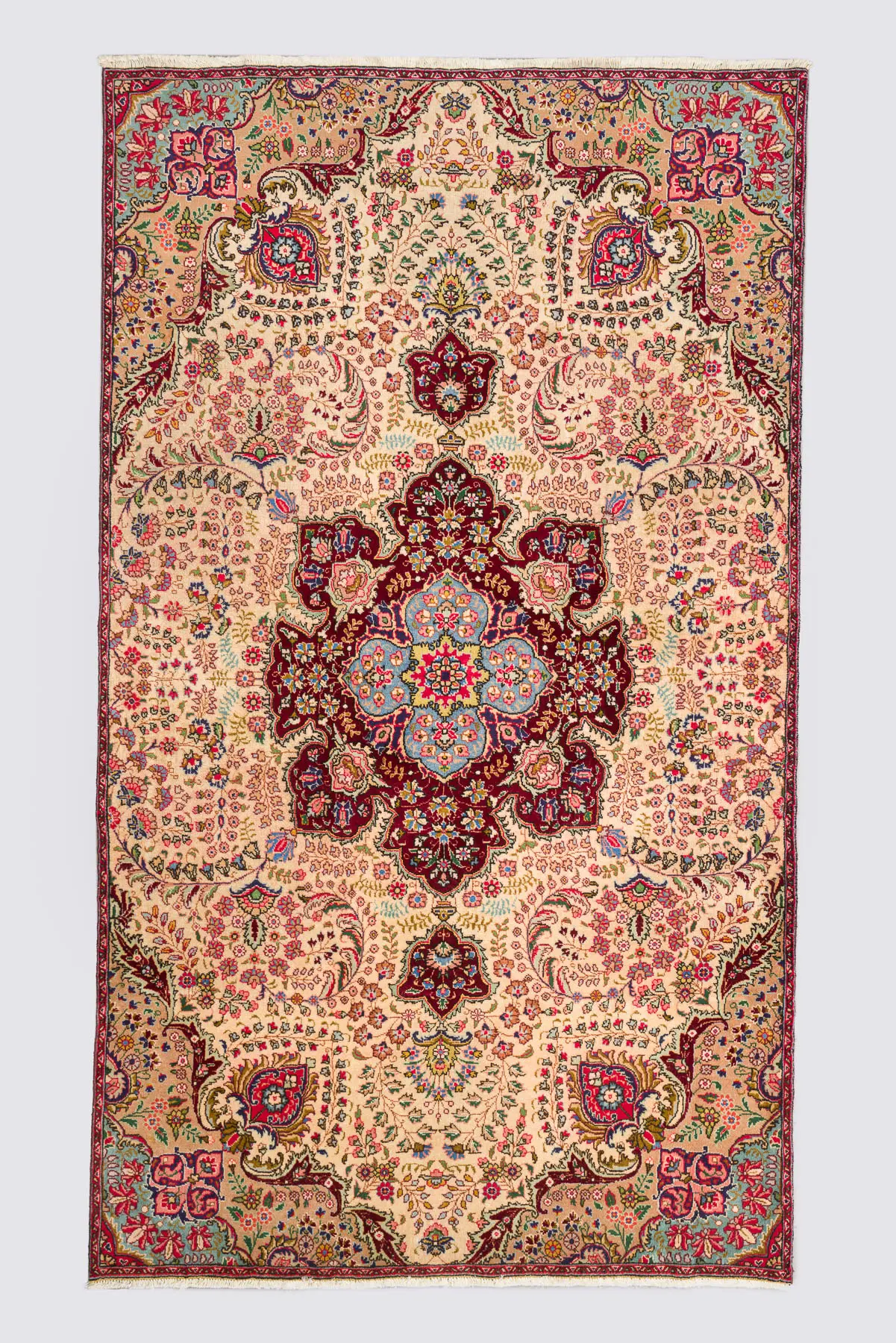
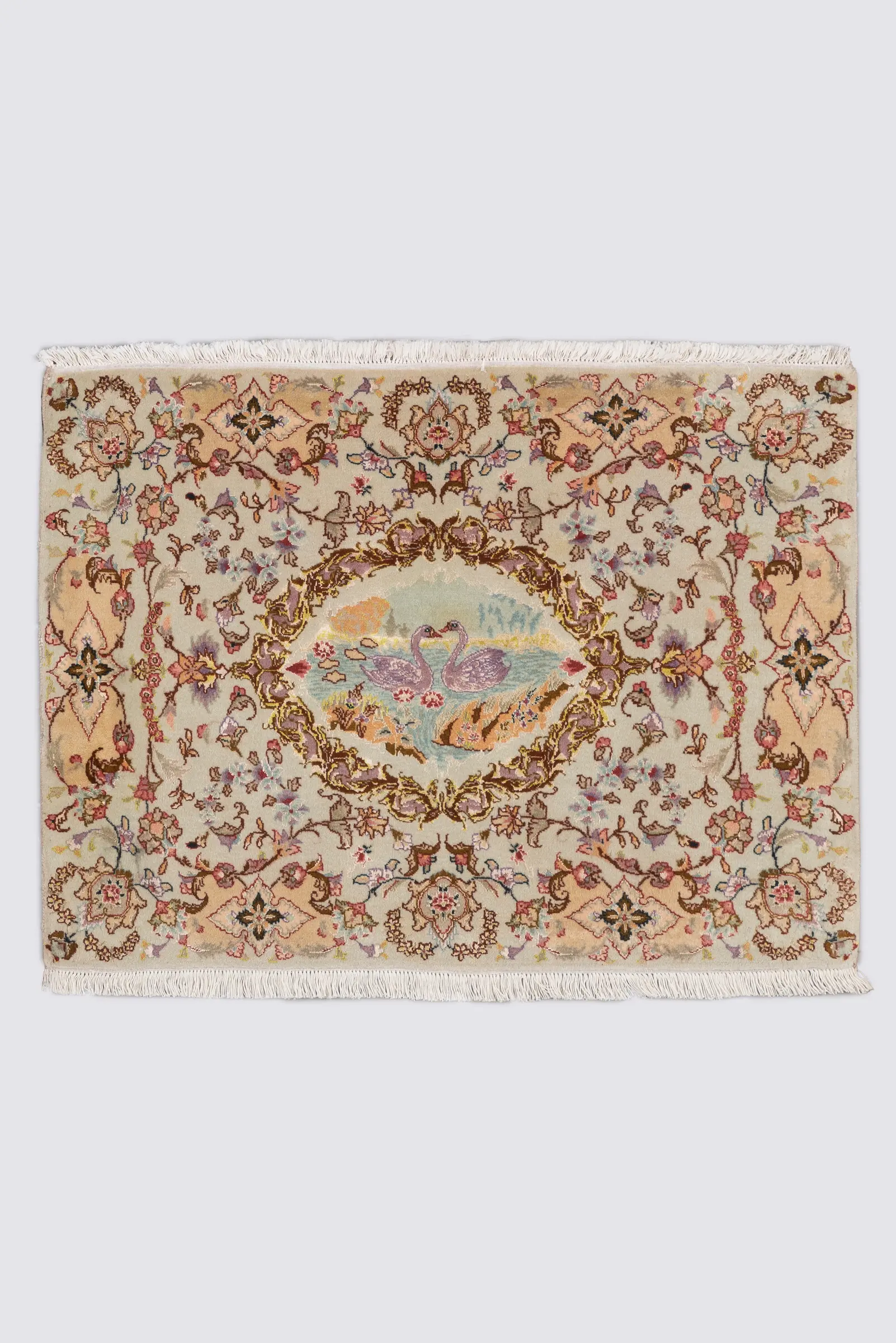
Tabriz, the main city of north-west Iran, has been one of the country's most important carpet centres since the commercial revival of the mid-nineteenth century, and Tabrizi merchants were among the first to organise weaving for export. Modern Tabriz rugs are symmetrically knotted, in a wide range of qualities and designs. Weavers there tie knots with a small hooked knife, which makes them unusually fast.
Ardabil is a city in north-west Iran beside Mount Sabalan and the Shahsavan pastures, and one of the region's main organising centres for carpet weaving in town and villages alike. Wool from around Ardabil is strong and lustrous and takes dye well; Heriz weavers buy it. The famous sixteenth-century Ardabil Carpet, said to come from the city's shrine, is a separate subject from modern Ardabil rugs.
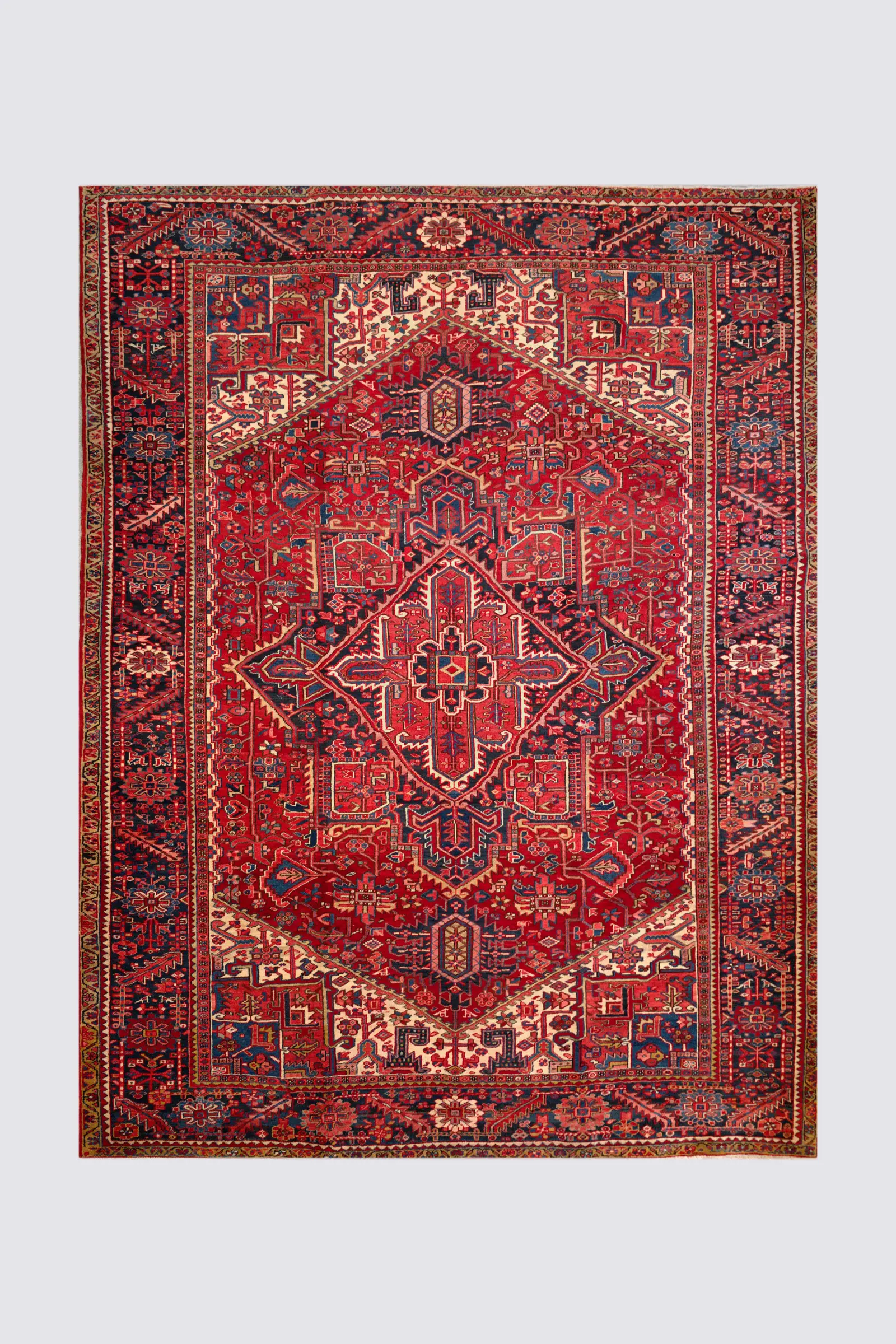
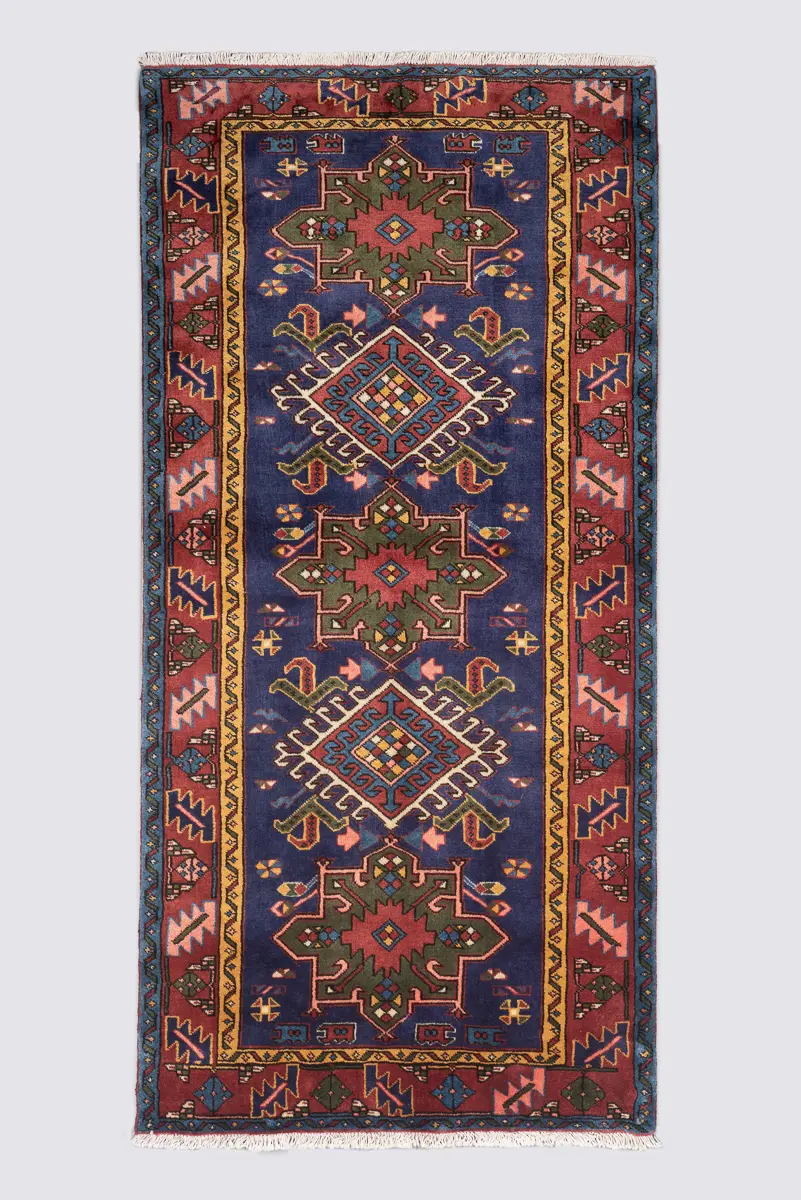
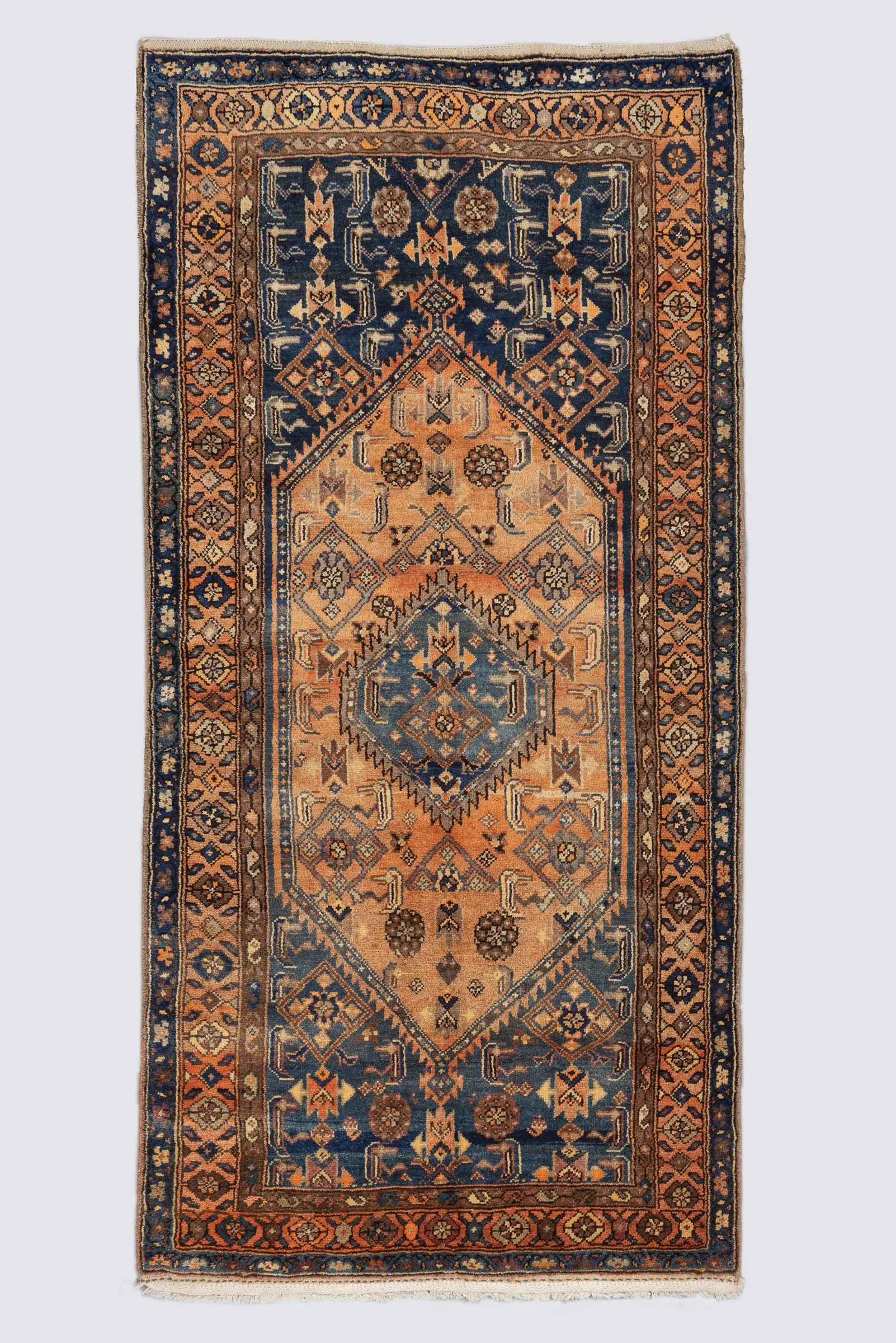
Heriz rugs are woven in a group of villages around the town of Heris, east of Tabriz in East Azarbaijan, among them Goravan, Bakhshayesh and Mehraban. They are symmetrically knotted on a cotton foundation and turn city medallion designs into bold angular forms, often with a jagged vine-and-rosette border. Weavers there bought lustrous wool from the Shahsavan and later from Ardabil; a blue inner weft is a documented trait of the district.
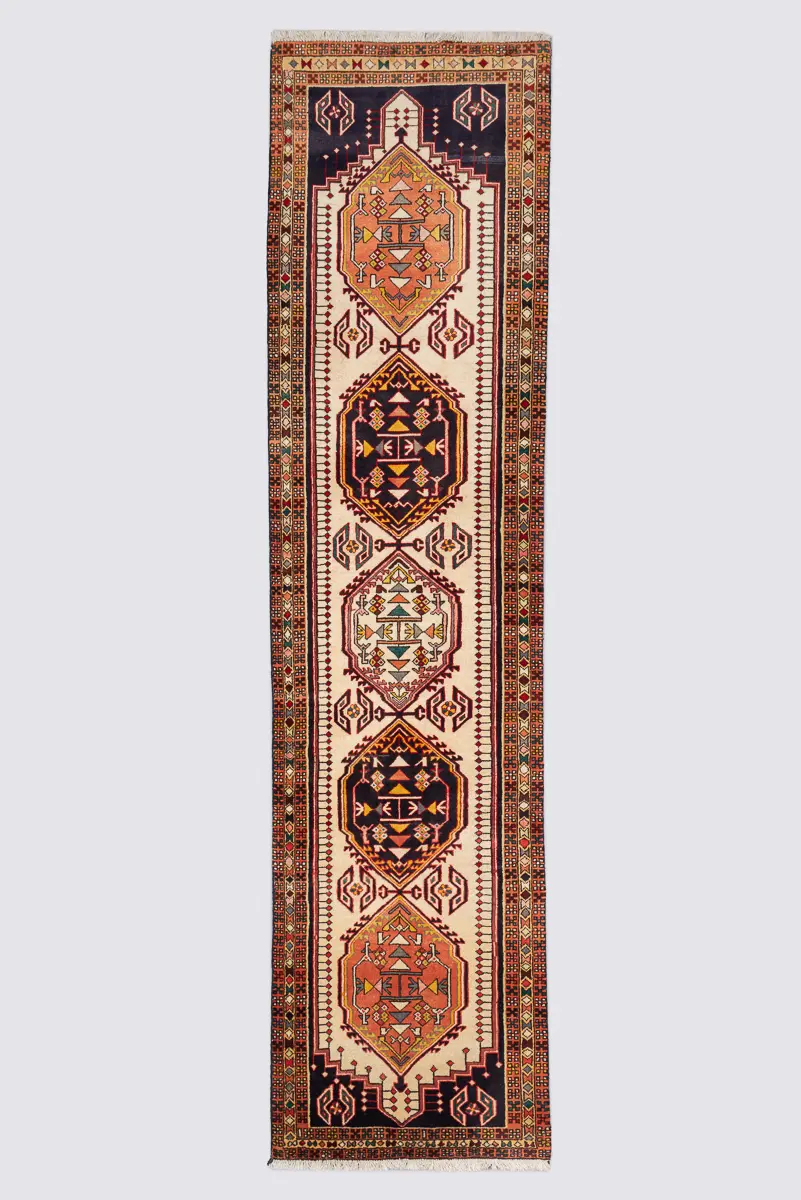
Sarab is a town between Tabriz and Ardabil in East Azarbaijan, within the summer pastures of the Shahsavan, and Iranica attributes its rugs to Shahsavan weavers around the town. They use undyed camel hair extensively and are close in colour and design to the camel-hair rugs of Hamadan, but are usually double-wefted where Hamadan rugs have a single weft.
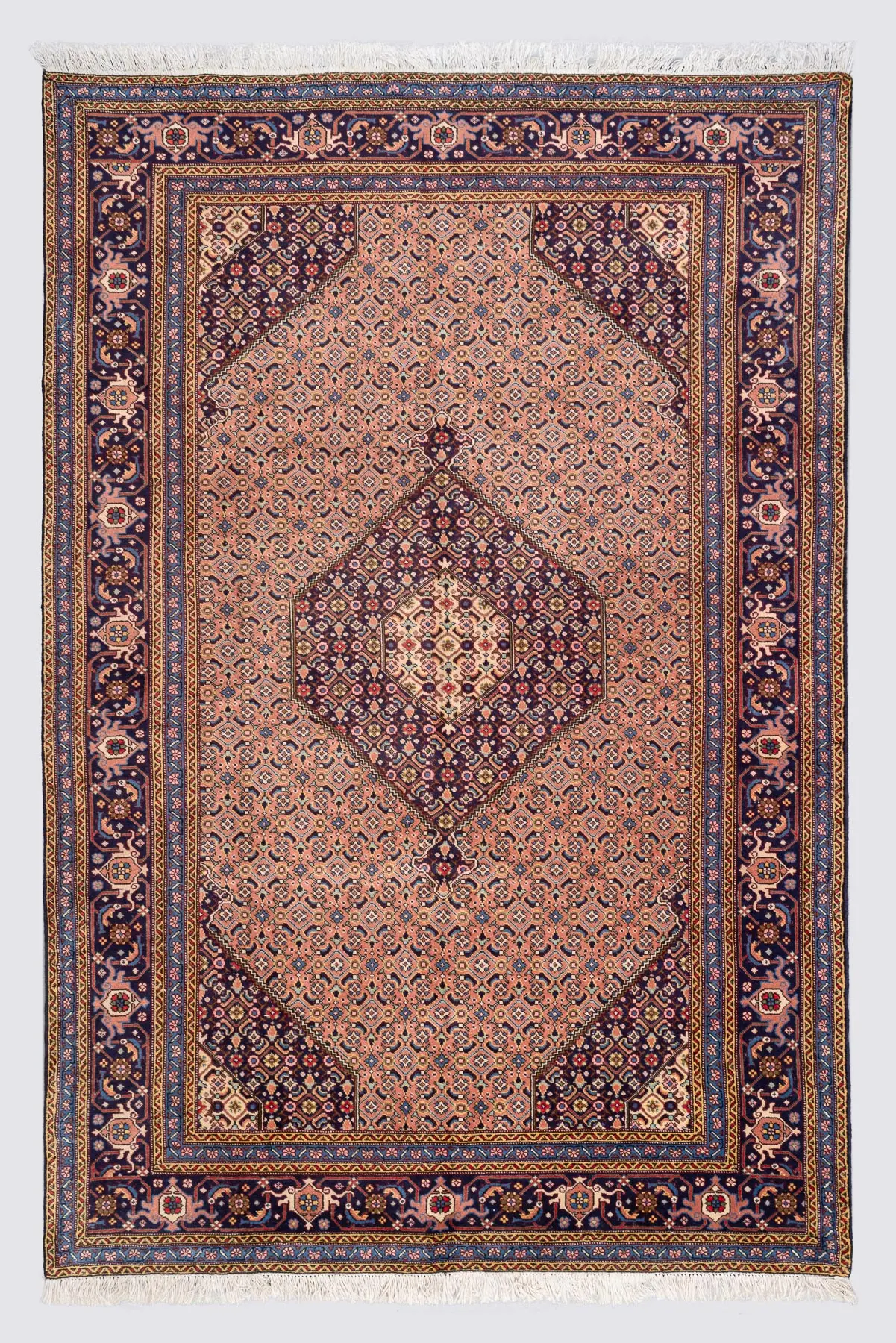
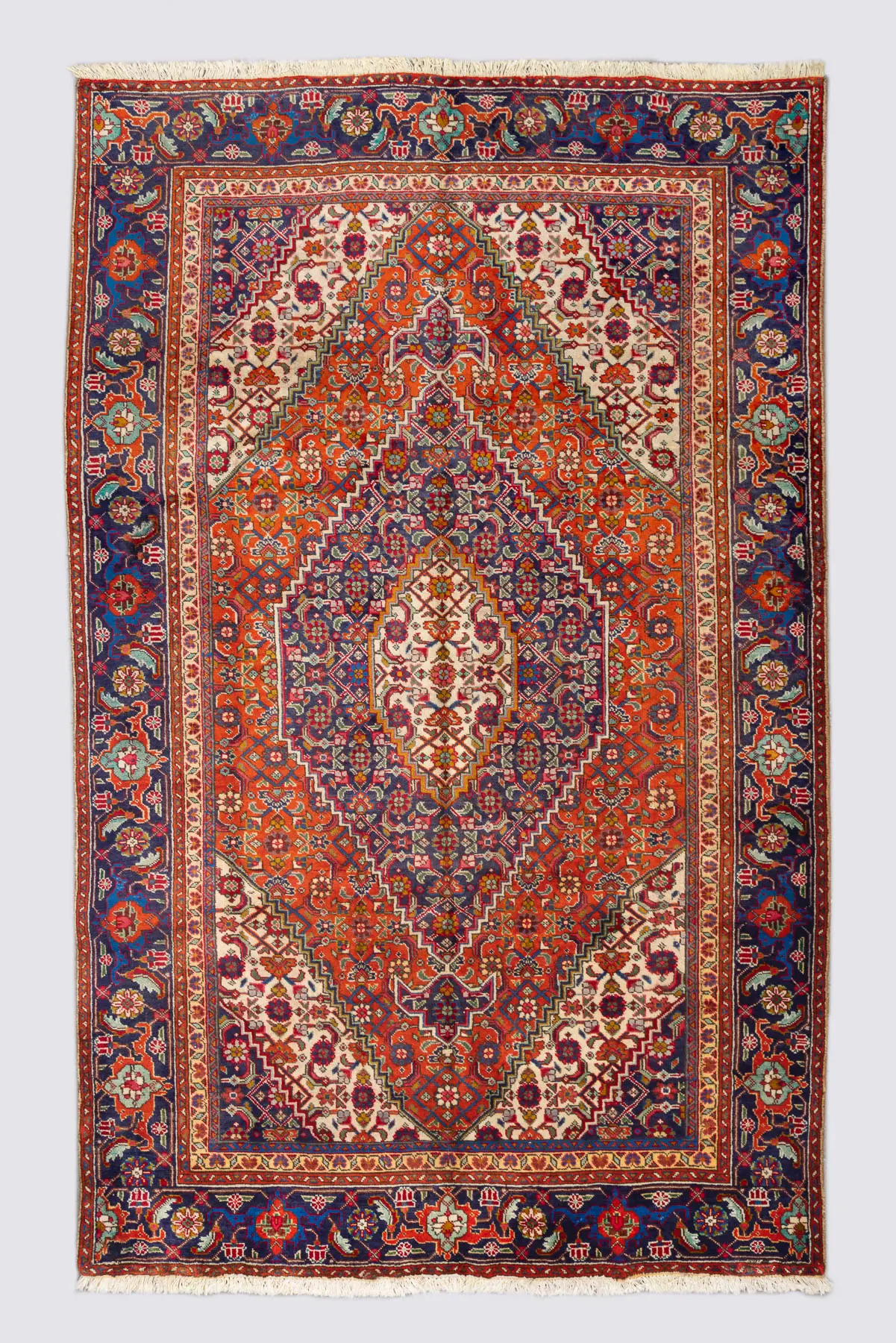
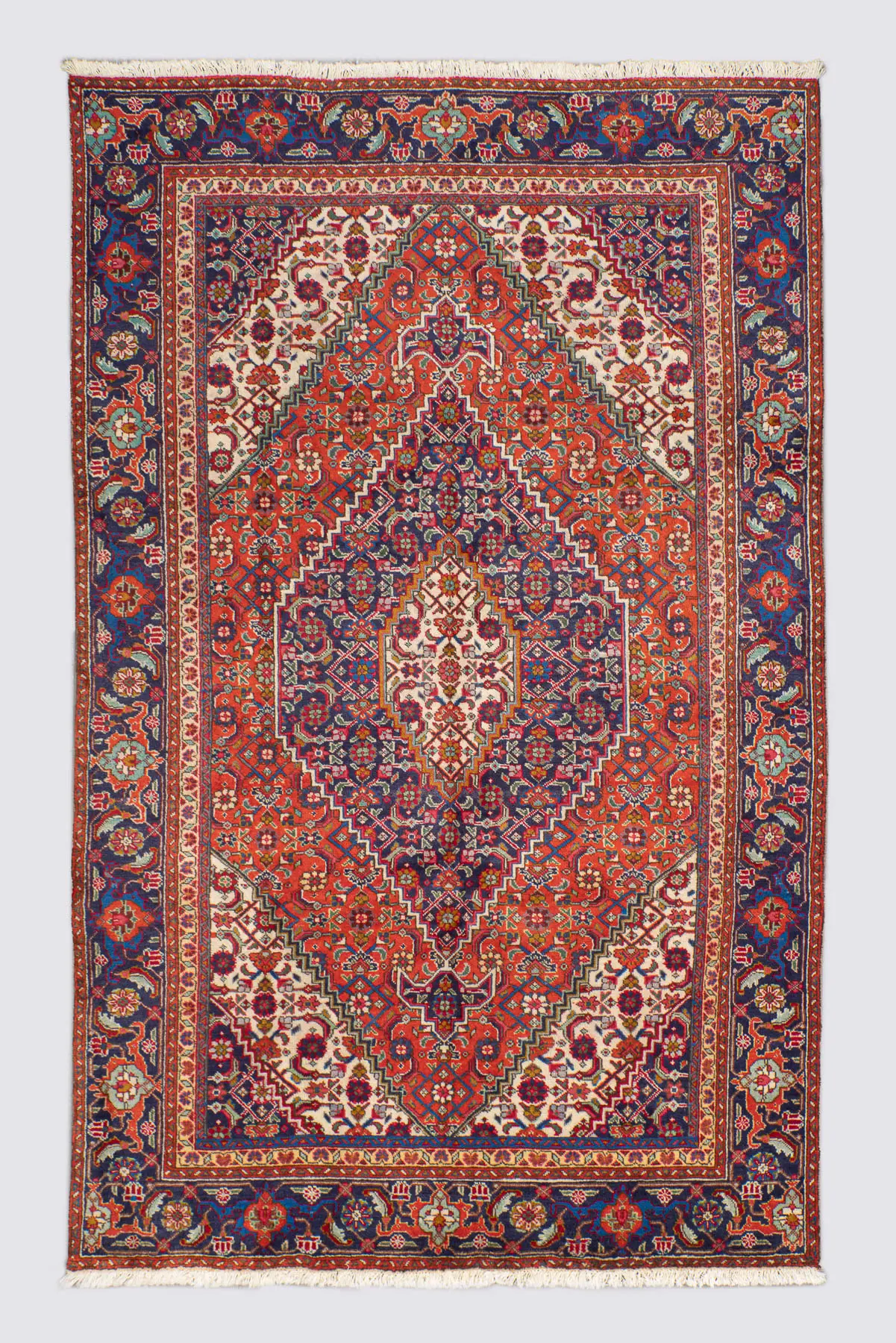
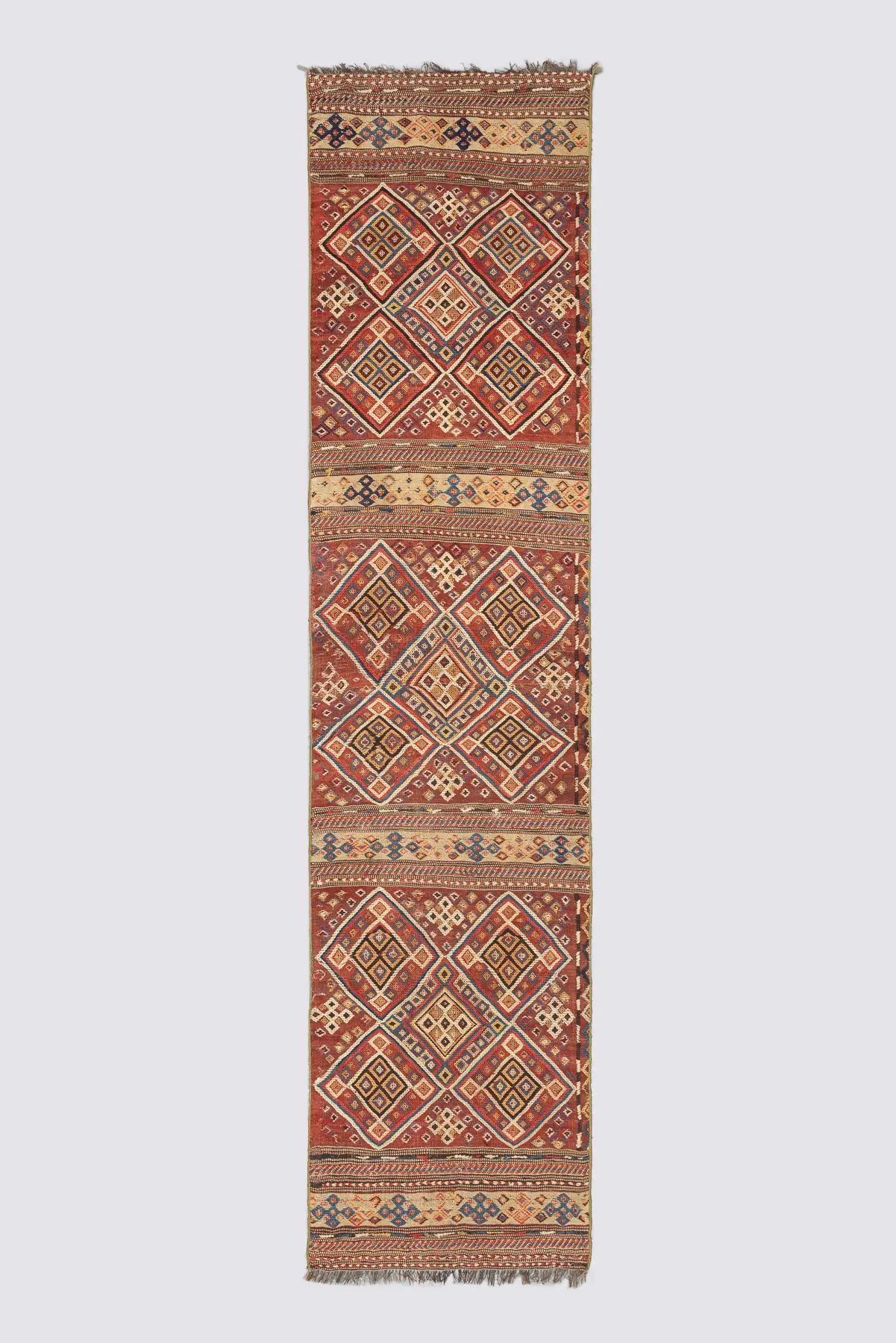
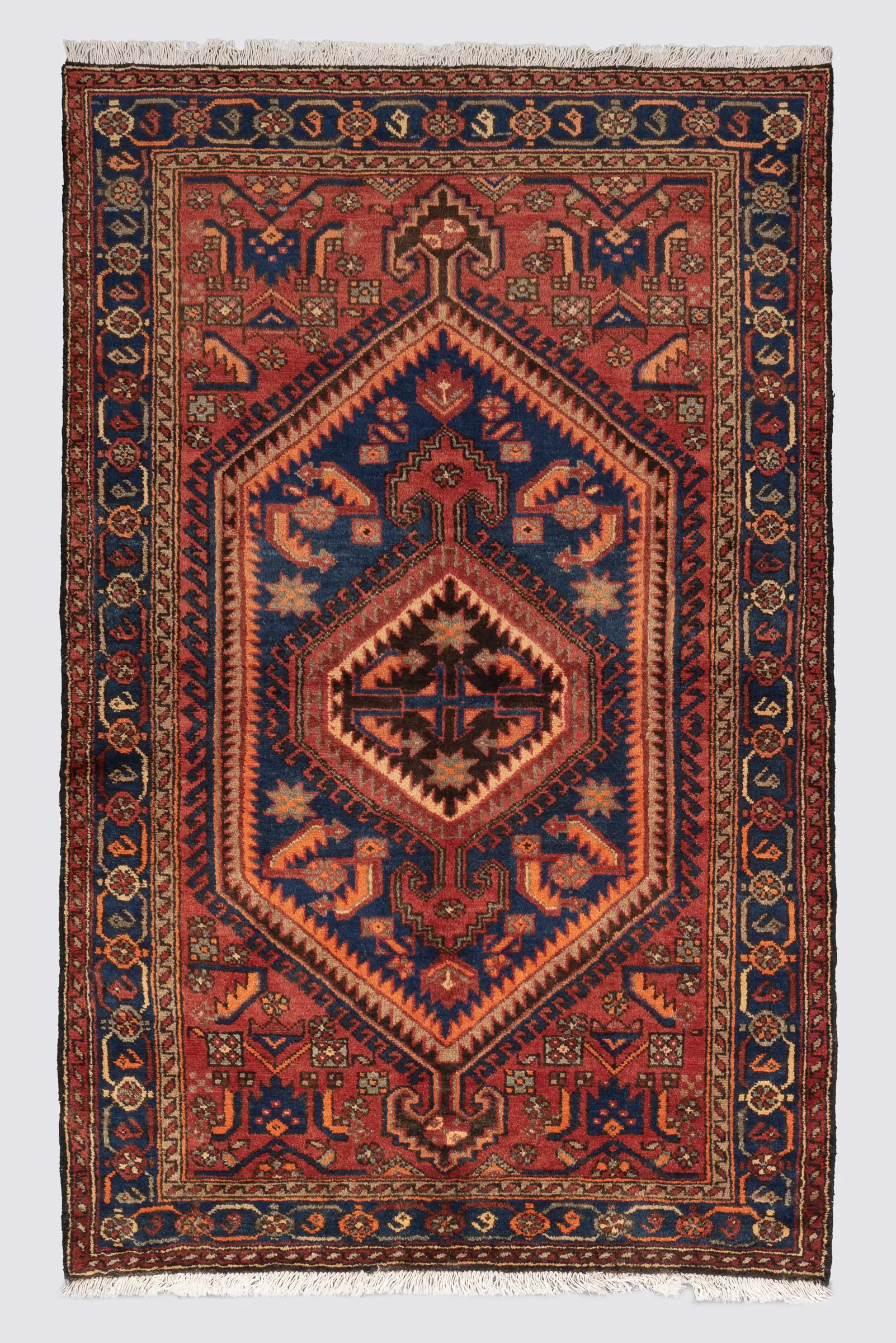
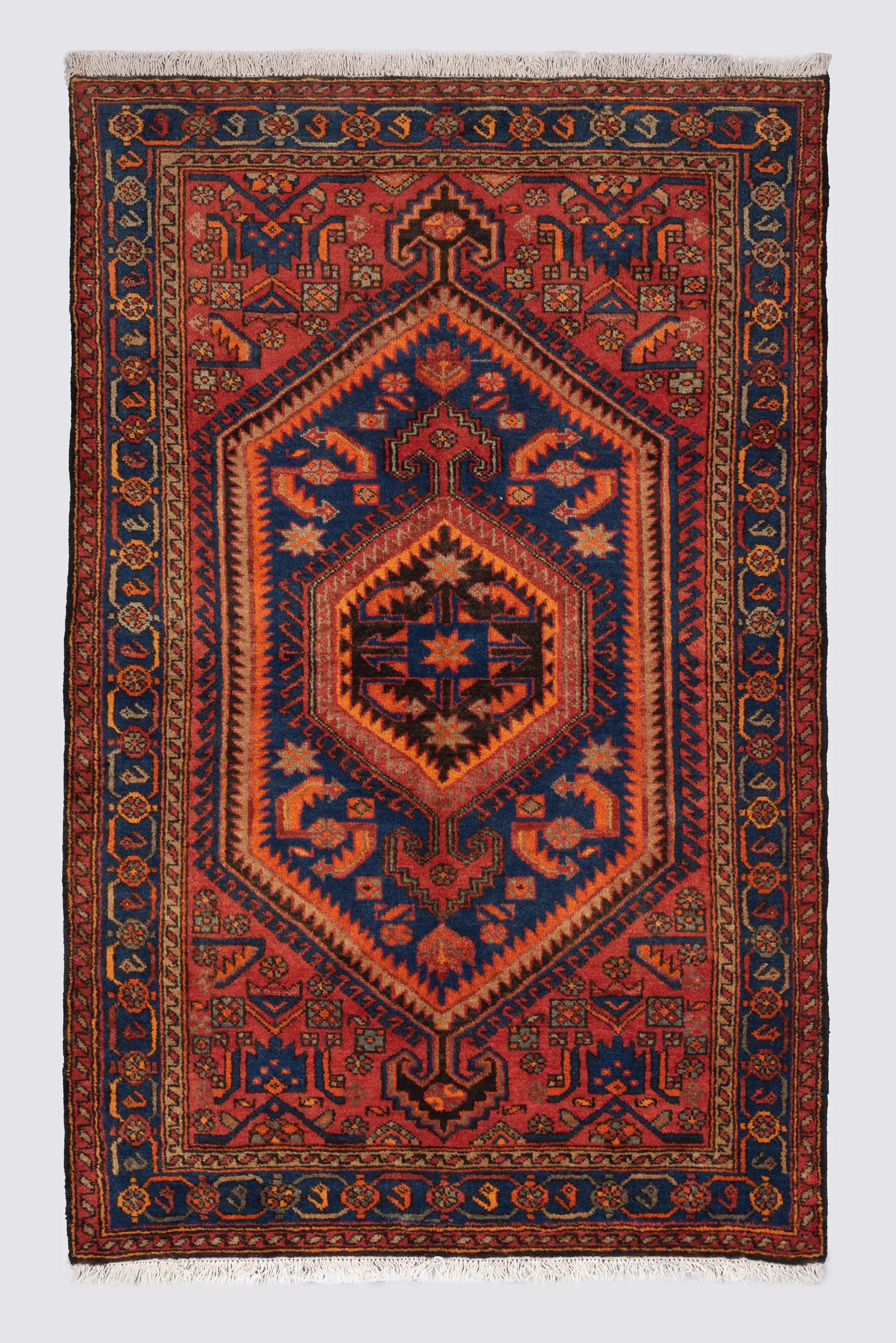
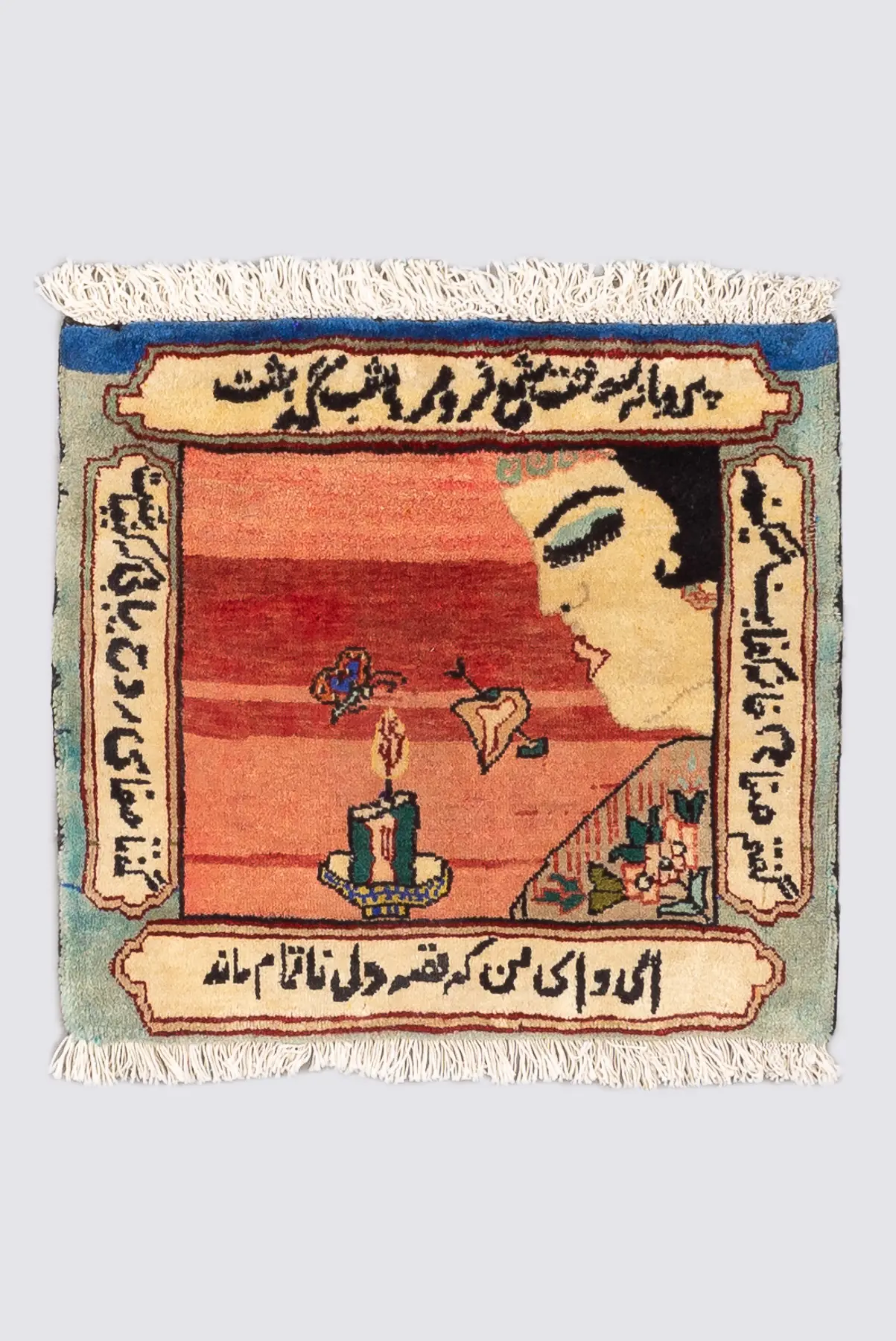
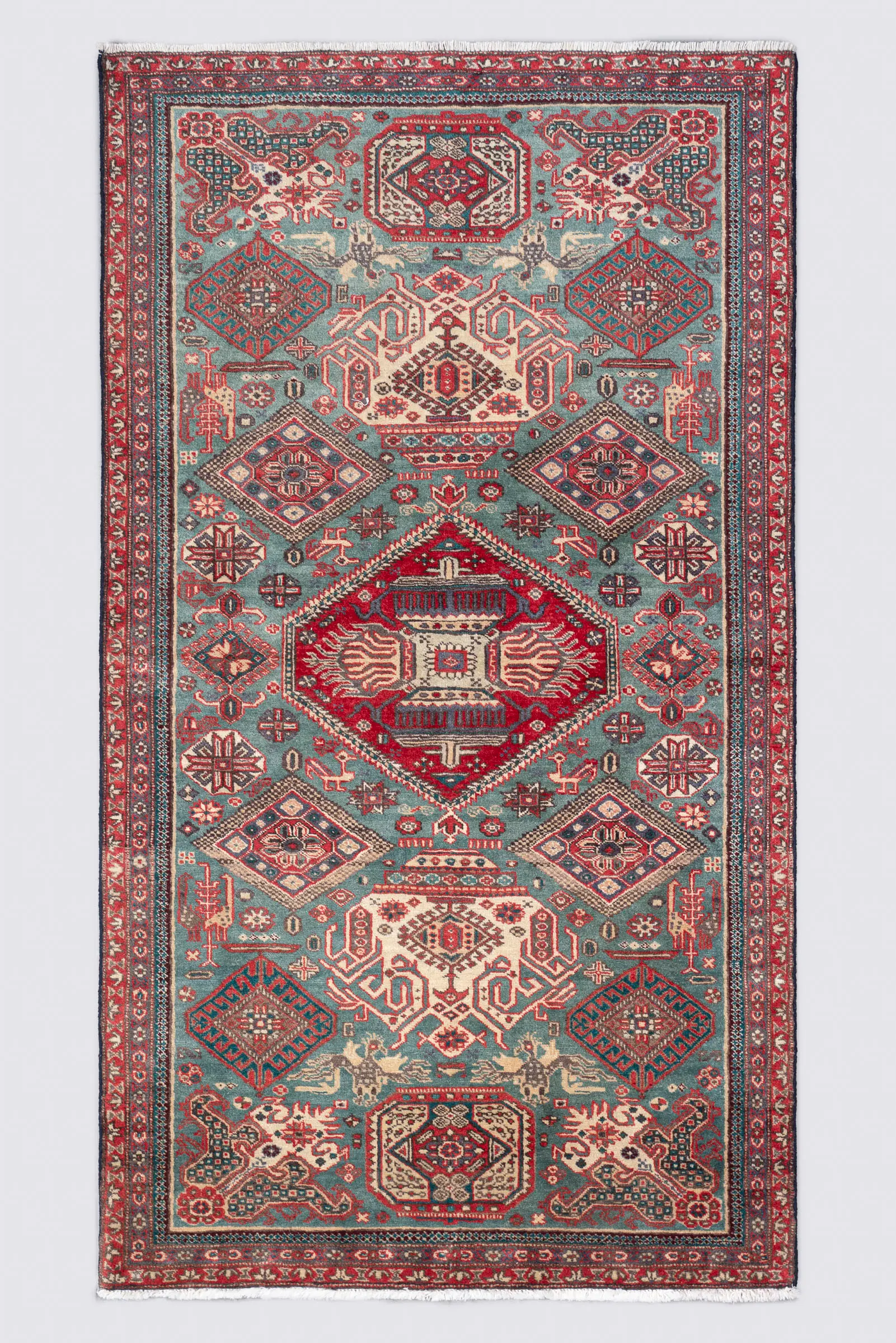
86 pieces from Azarbaijan and the north-west are in the collection now: 76 pile rugs and 10 kilims. Among them are antique pieces woven in 1940 or earlier, vintage pieces from 1941 to 1999 and new weaves from 2000 on. They run from 0.2 m² to 9.6 m², so filter by size to find one for your room. Every one is handwoven in Iran, comes with a Certificate of Origin, and can be seen at our Richmond gallery.
FREQUENTLY ASKED
Where can I buy authentic Persian rugs in Melbourne?
Dyad Artisans is Melbourne’s specialist gallery for authentic Persian rugs, kilims, and collectible carpets. The gallery is at 273a Swan Street, Richmond, open Wednesday to Sunday or by appointment. Almost every rug at Dyad Artisans is Persian, woven in Iran. Now and then we bring in a piece from a neighbouring tradition, a Kuba from the Caucasus or a Hereke design from Anatolia. Each is what its name says, woven where it belongs. We do not sell imitations. Every rug comes with a Certificate of Origin.
Do you ship Persian rugs Australia-wide?
Yes. Dyad Artisans ships authenticated Persian rugs Australia-wide by courier. We offer free delivery on orders over $200 Australia-wide. Every rug ships with its Certificate of Origin card.