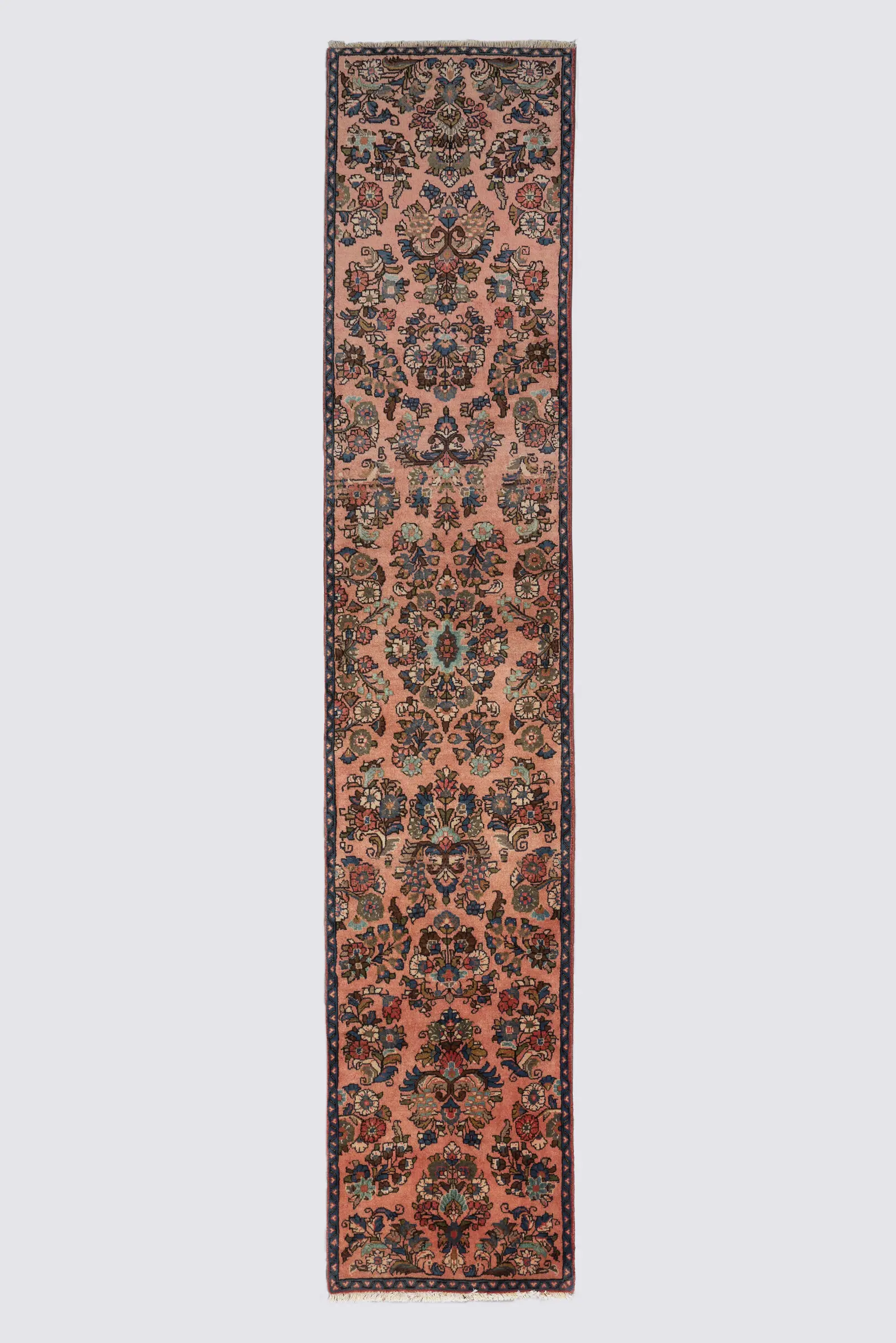
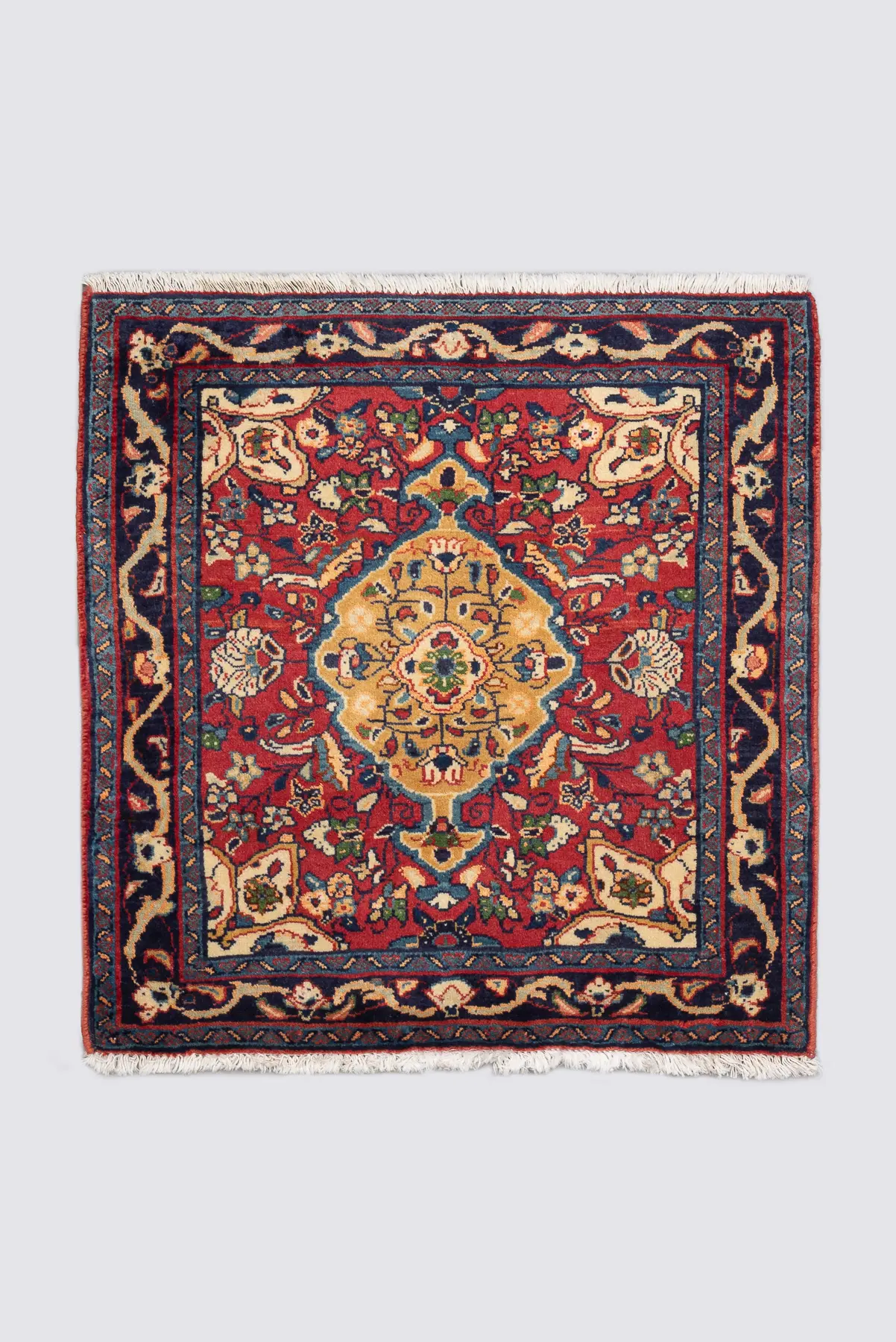
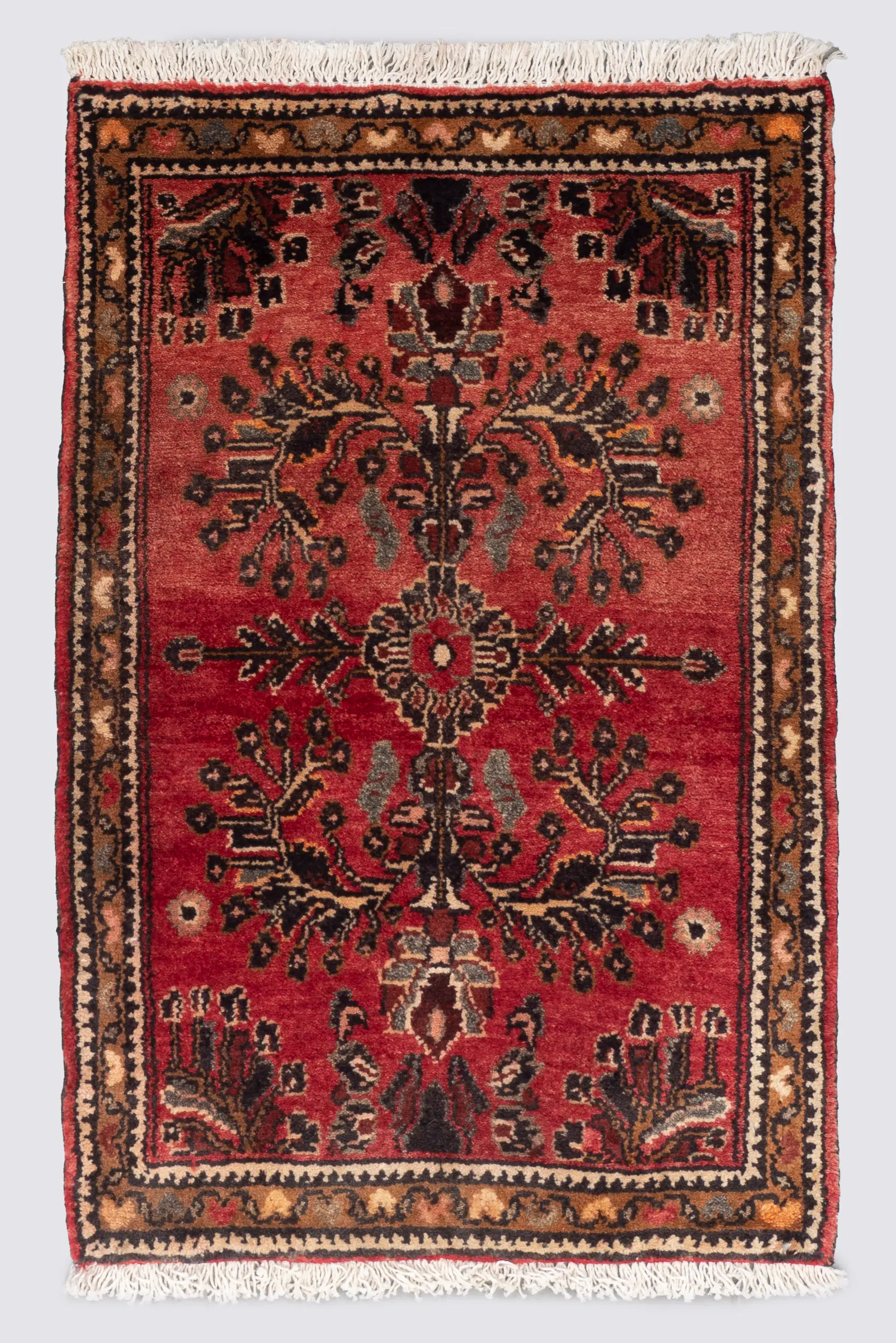
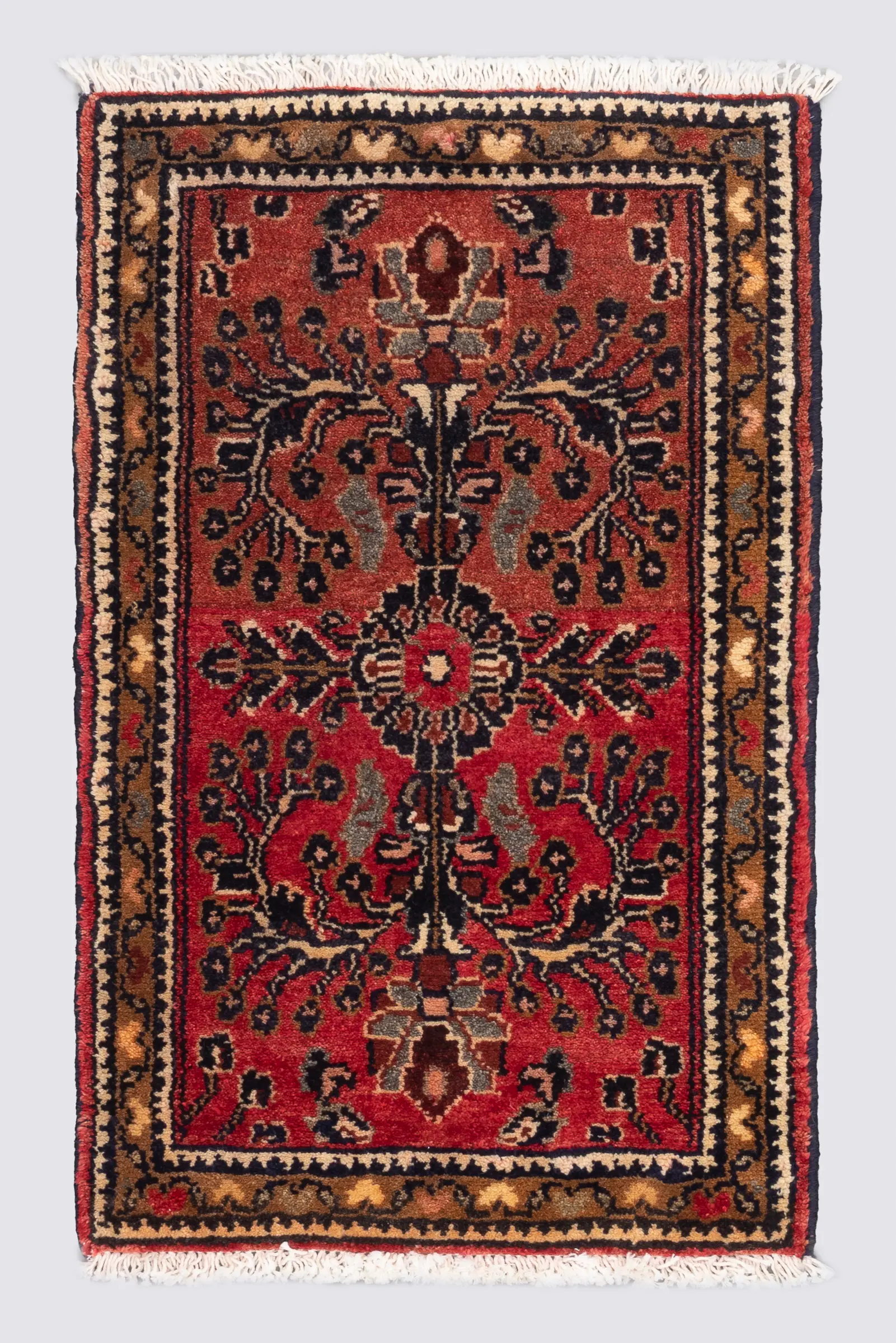
Arak
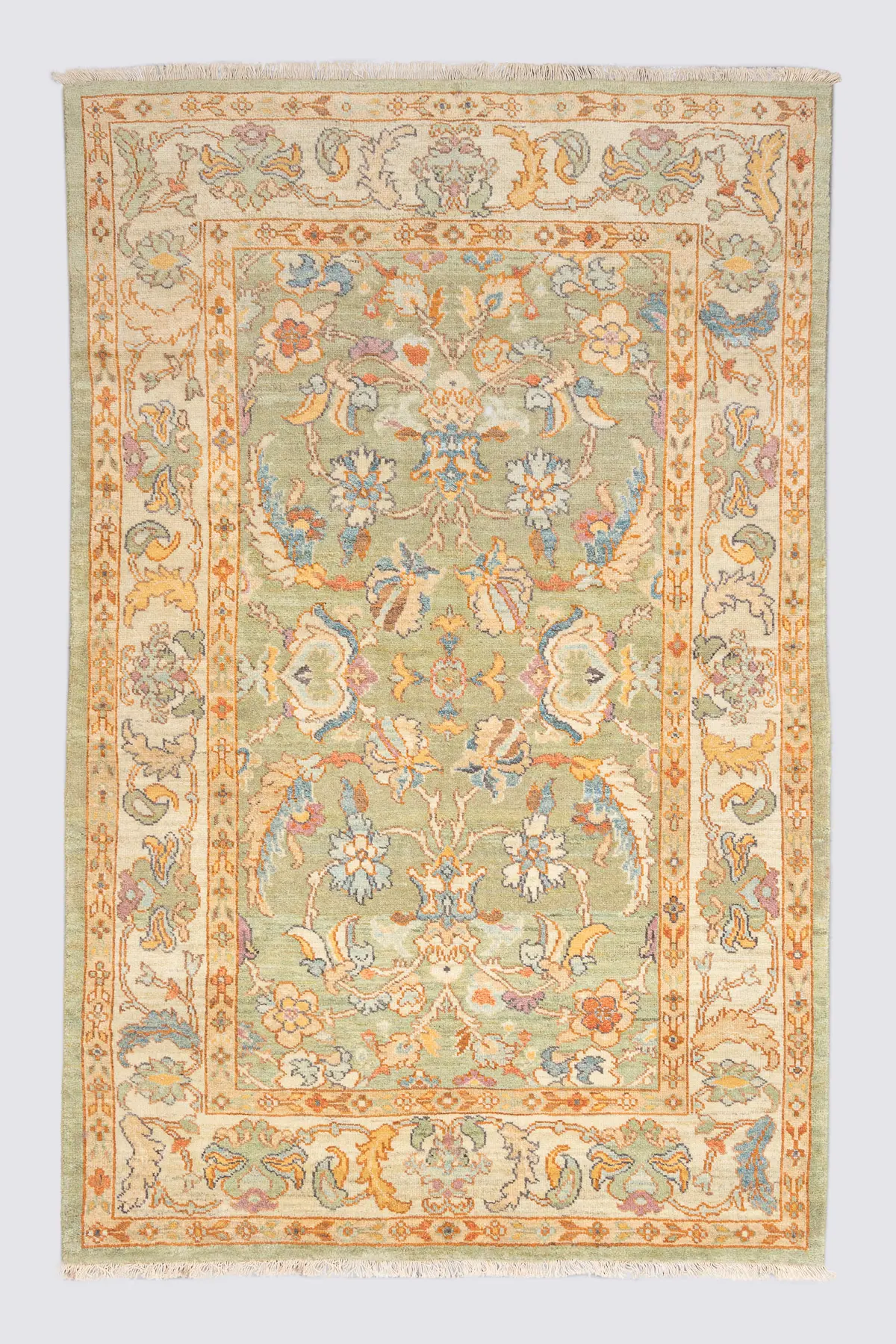
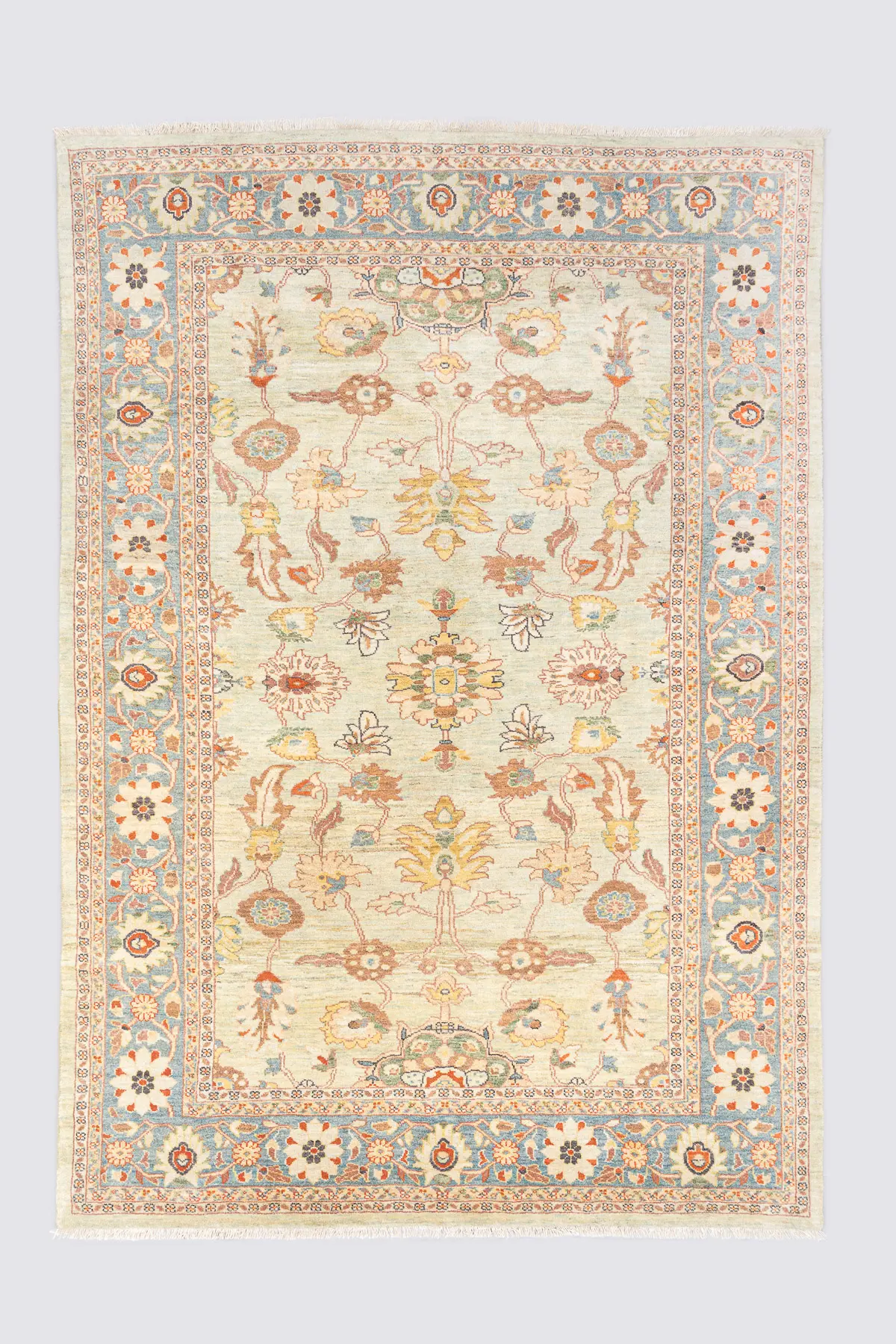
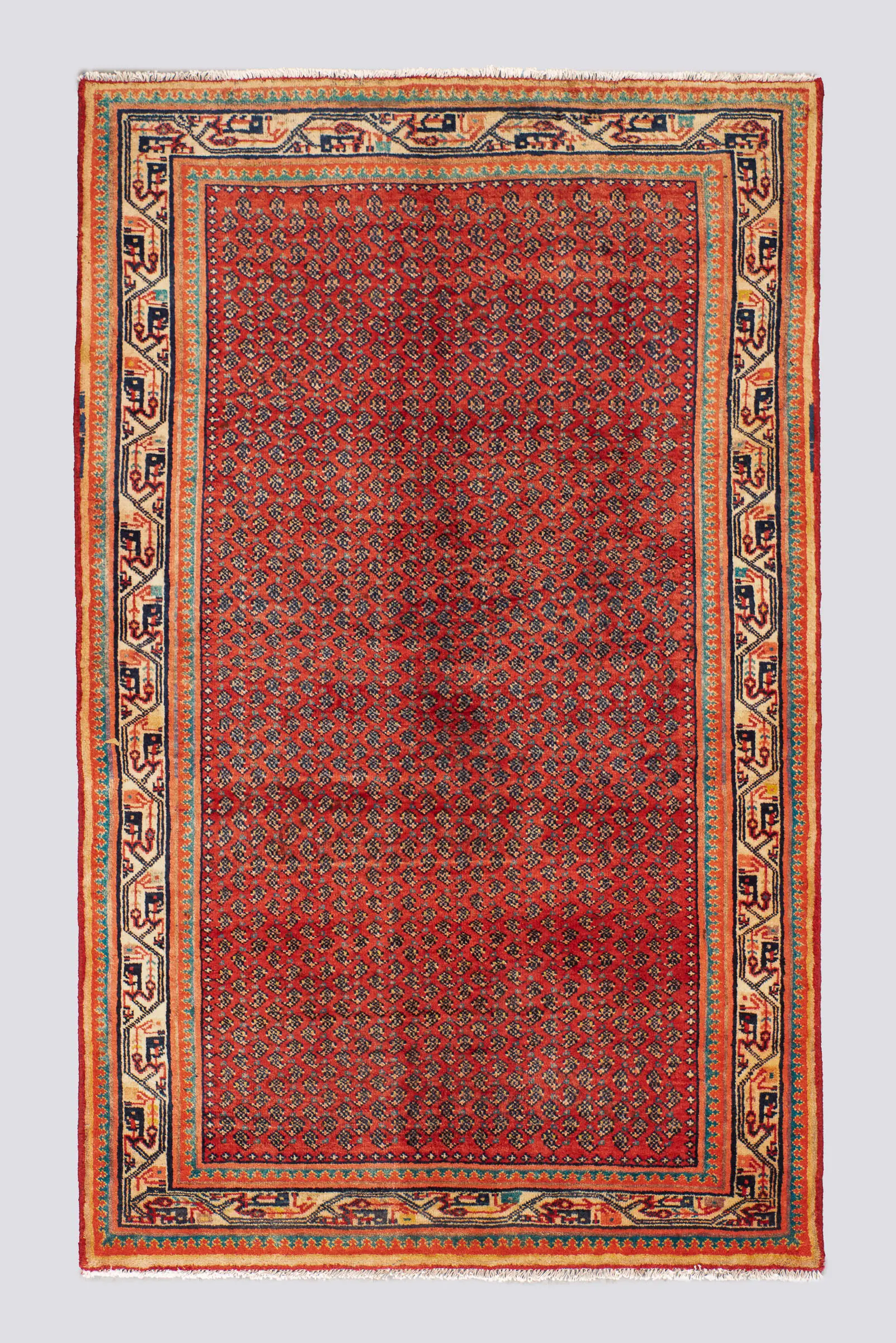
Arak, founded in 1808 as Sultanabad on the plain of Farahan in western Iran, became the country's main centre of commercial carpet production for export from the 1880s, after the Manchester firm Ziegler & Co. began organising village weaving there; by 1894 the district had thousands of looms. It remained the leading export centre until at least 1940.
Sarouk
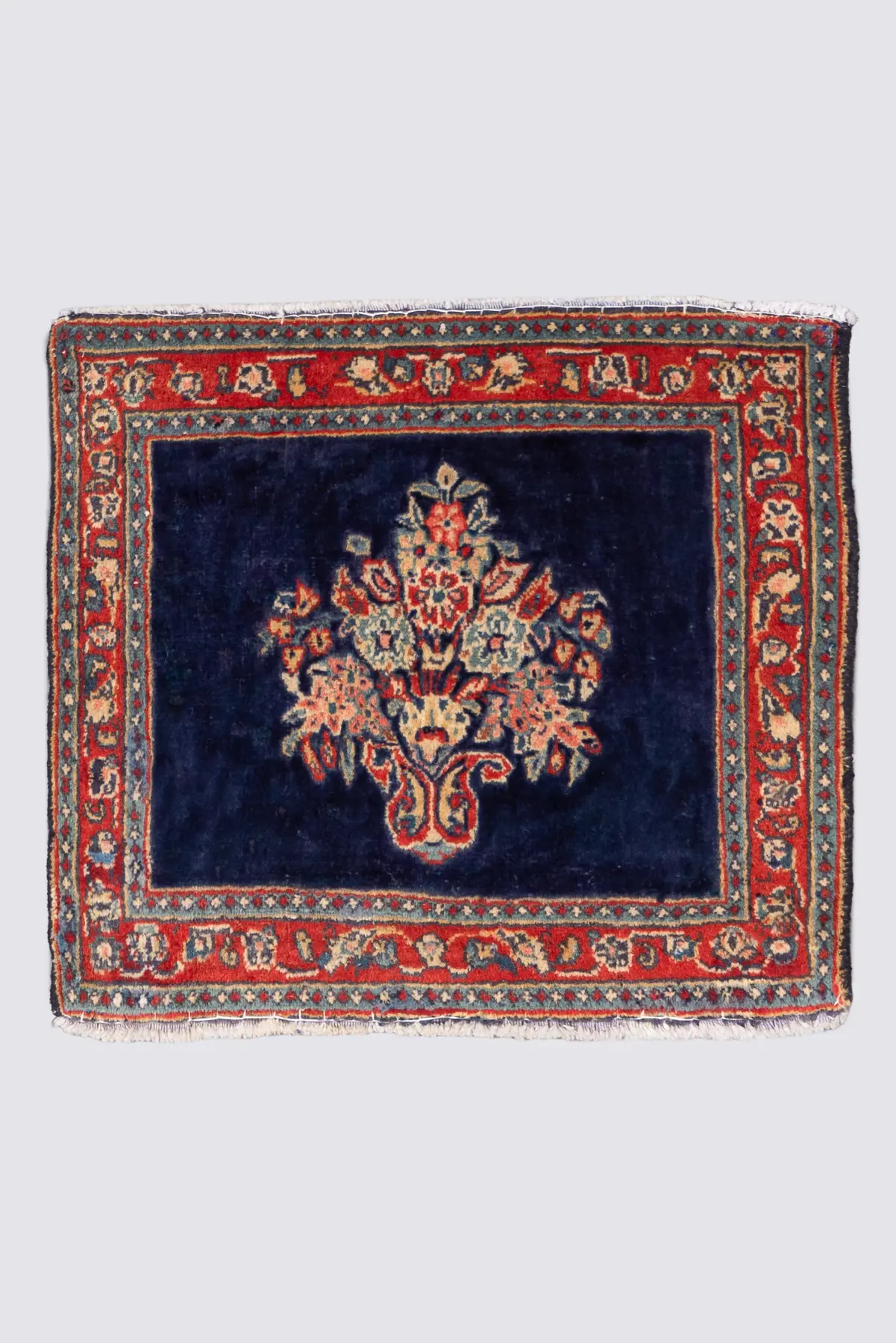
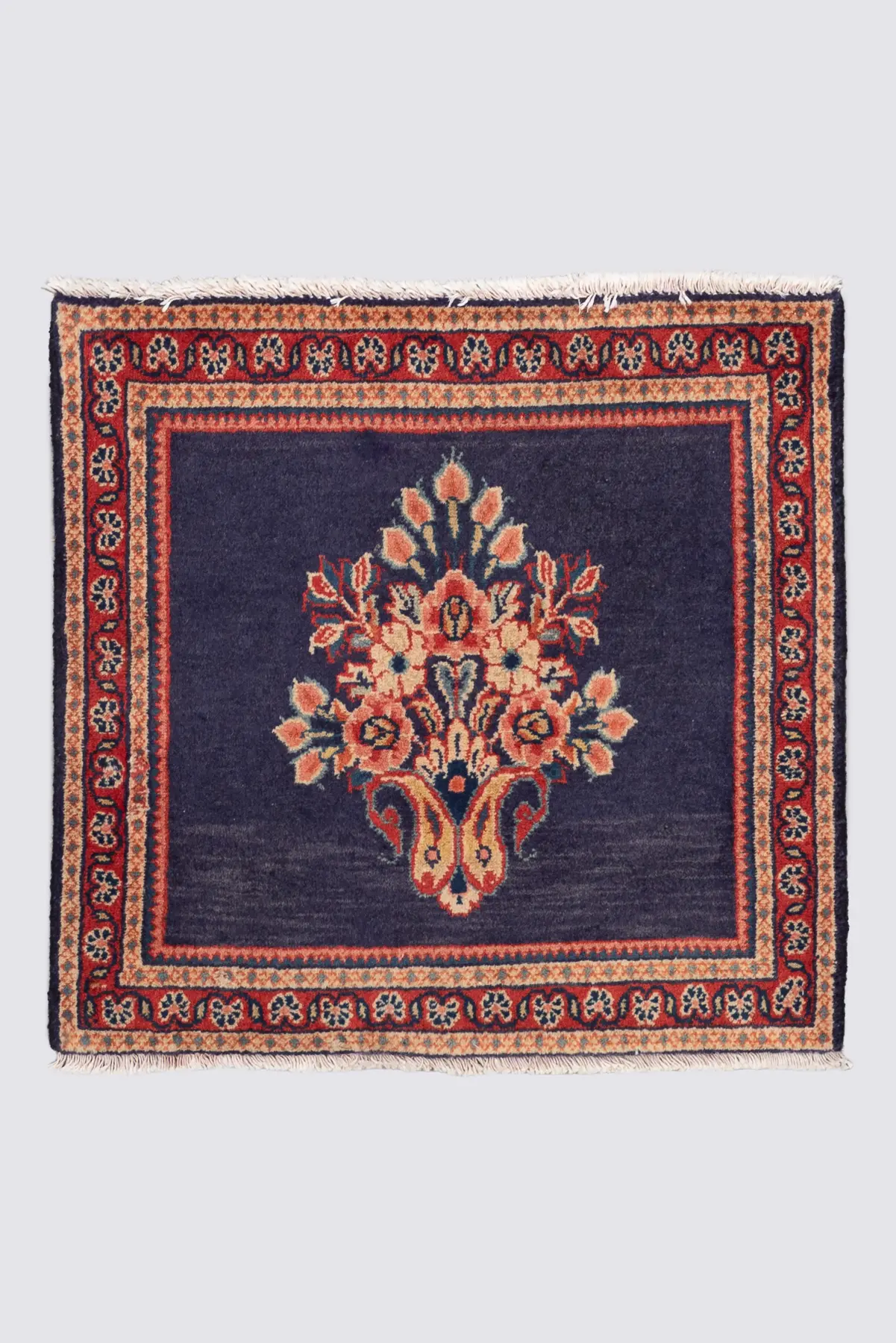
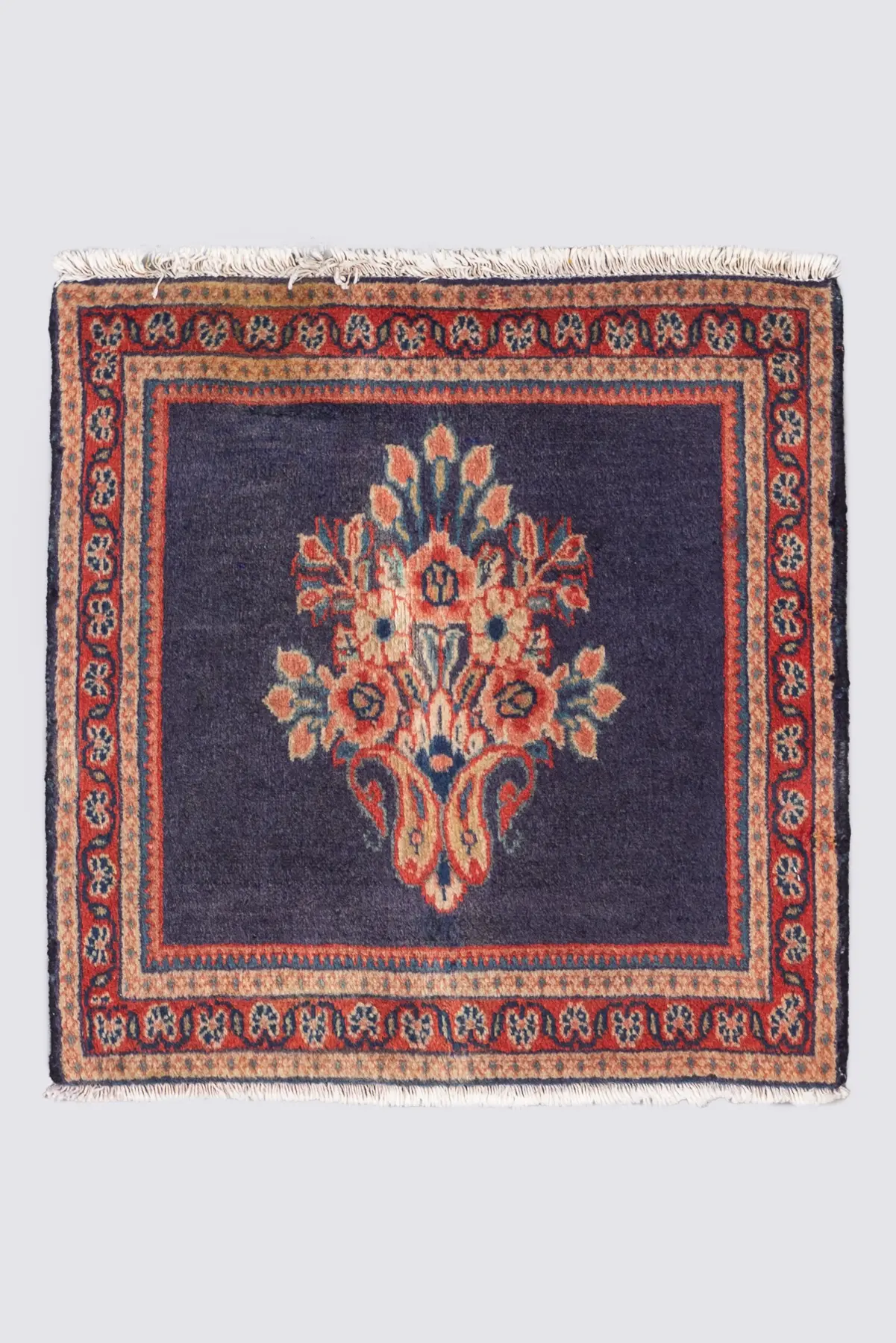
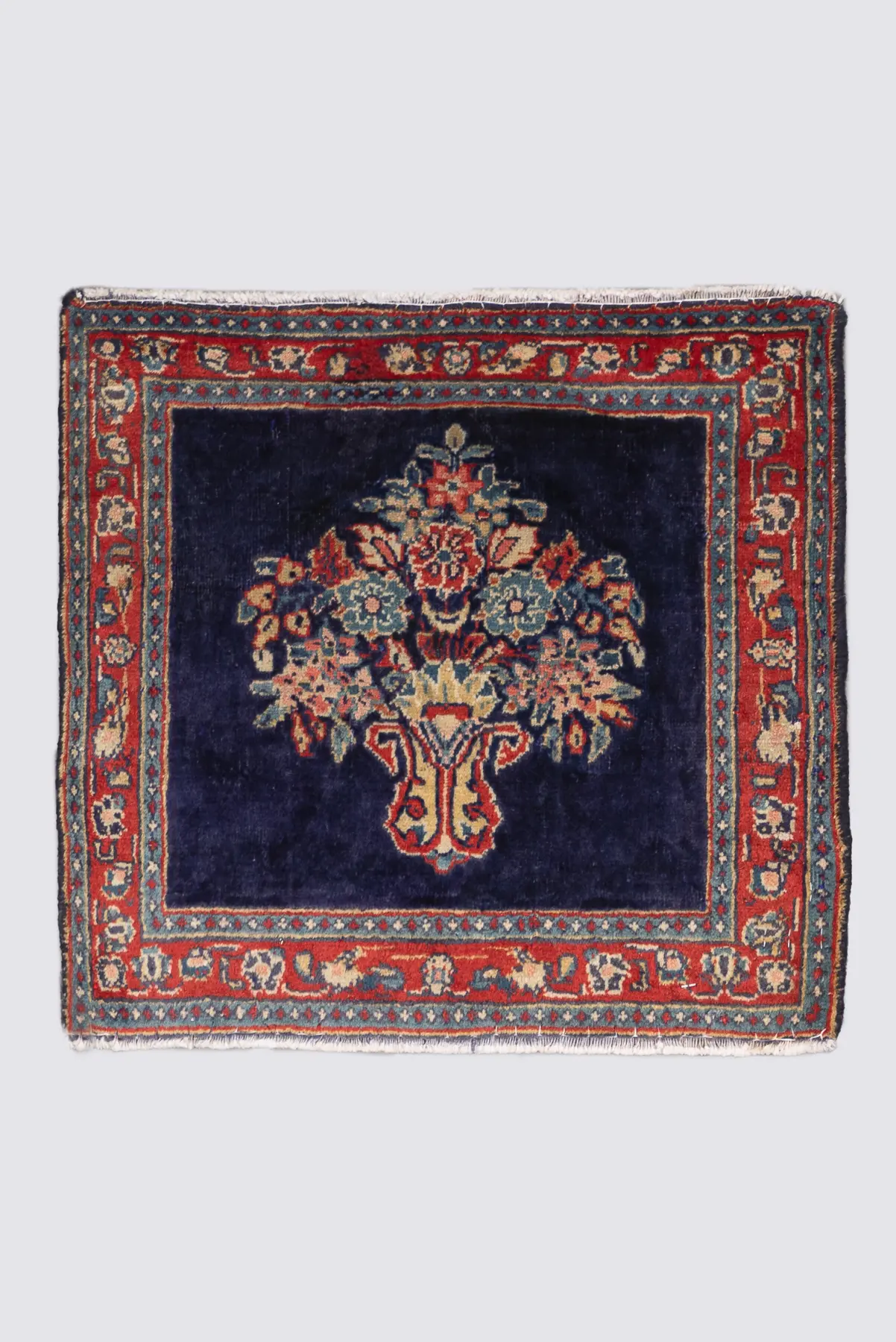
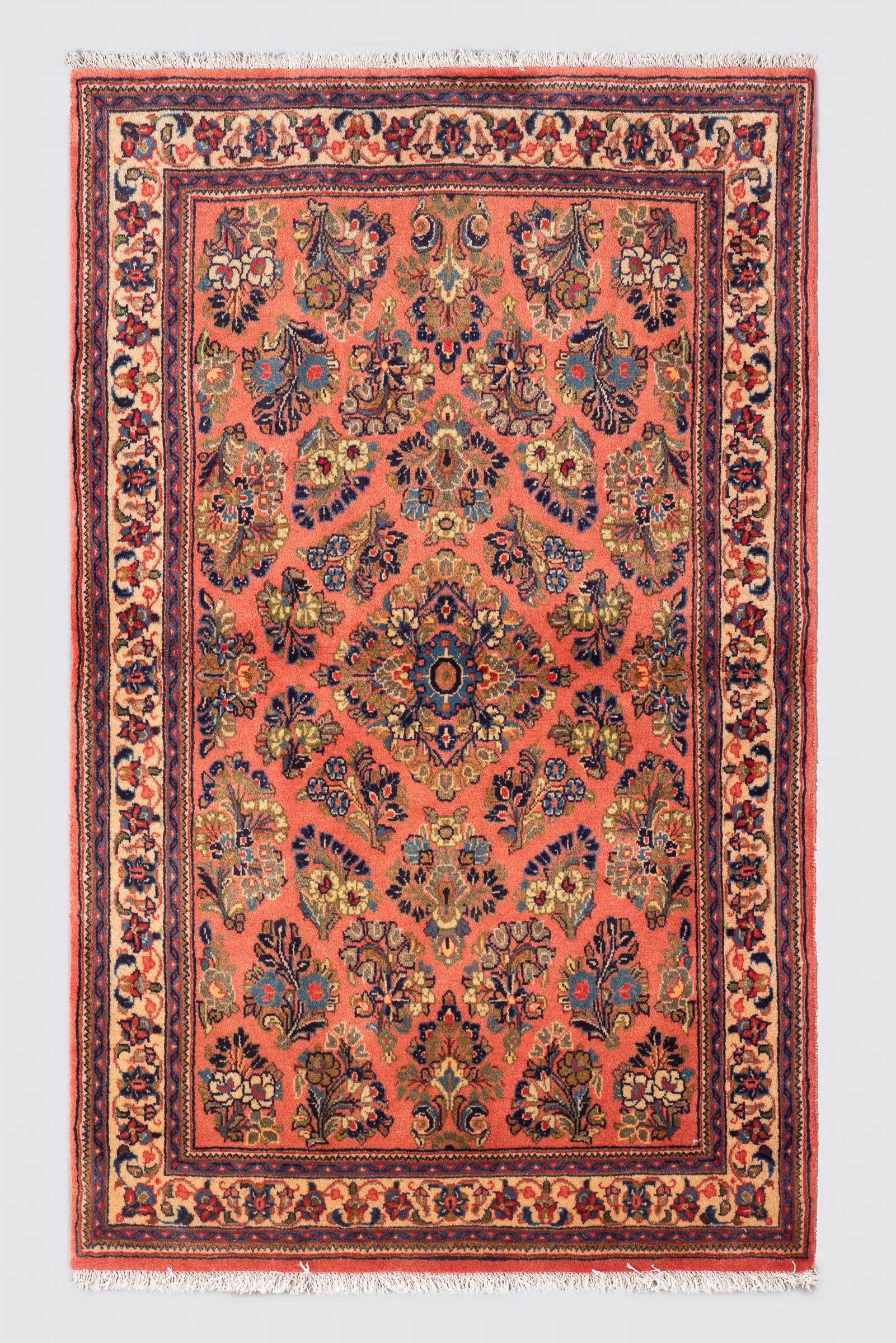
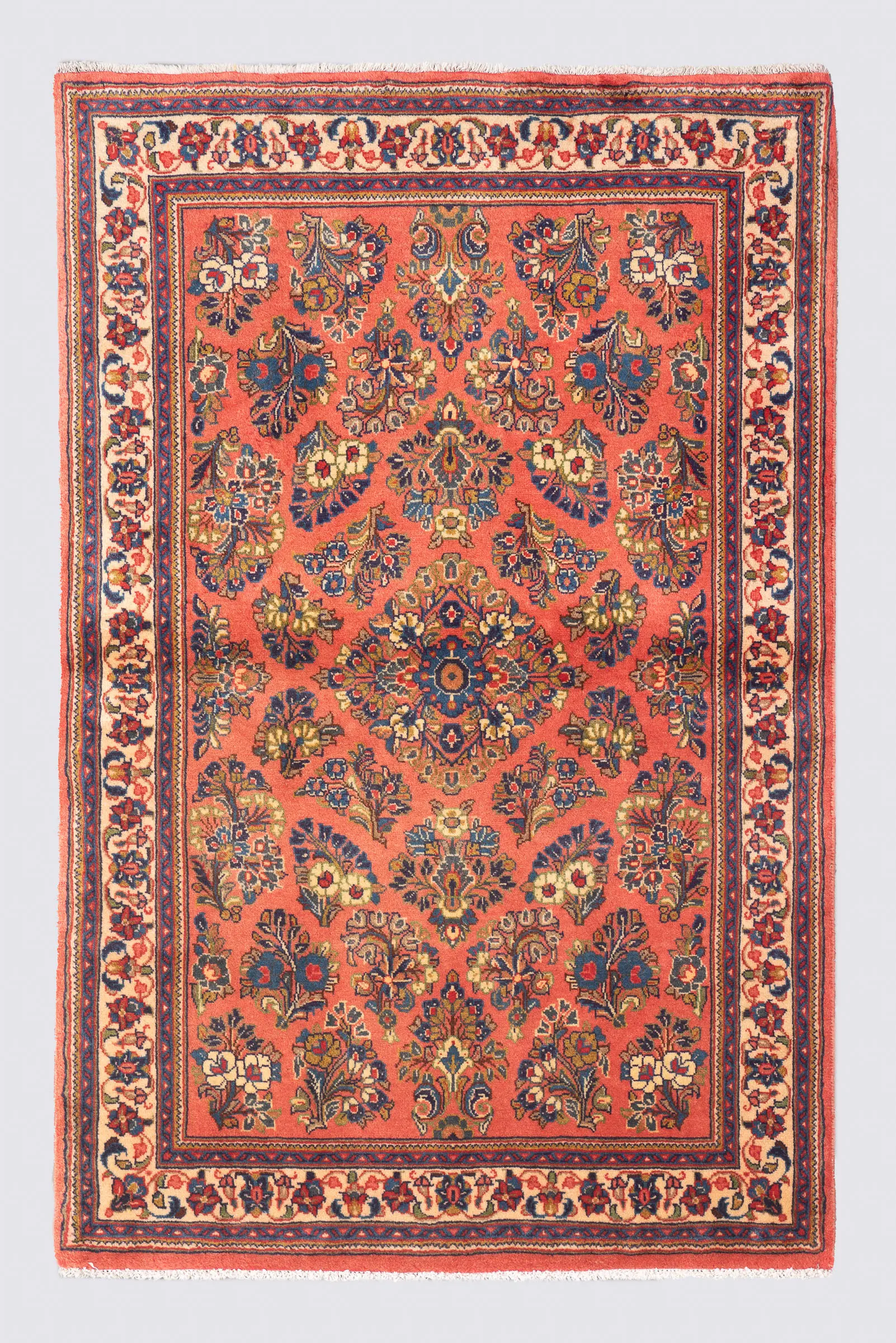
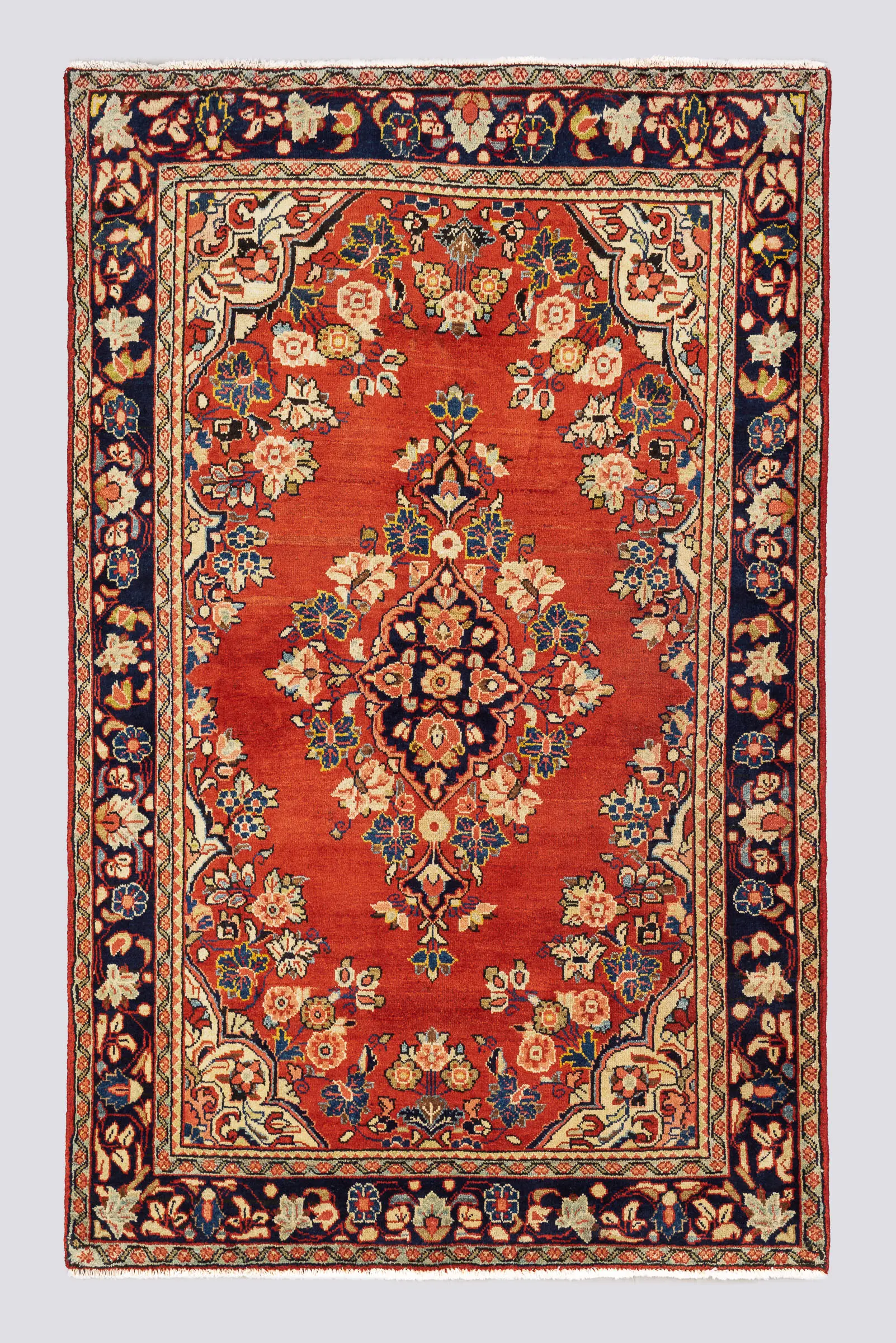
Sarouk is a village in the Farahan district north of Arak, whose name passed to a large commercial production made in Arak and nearby villages, much of it for the United States. Sarouks are asymmetrically knotted on a cotton foundation. The later commercial type has a longer pile and a rose-red field of detached floral sprays, and many were chemically bleached and repainted after import.
Saveh
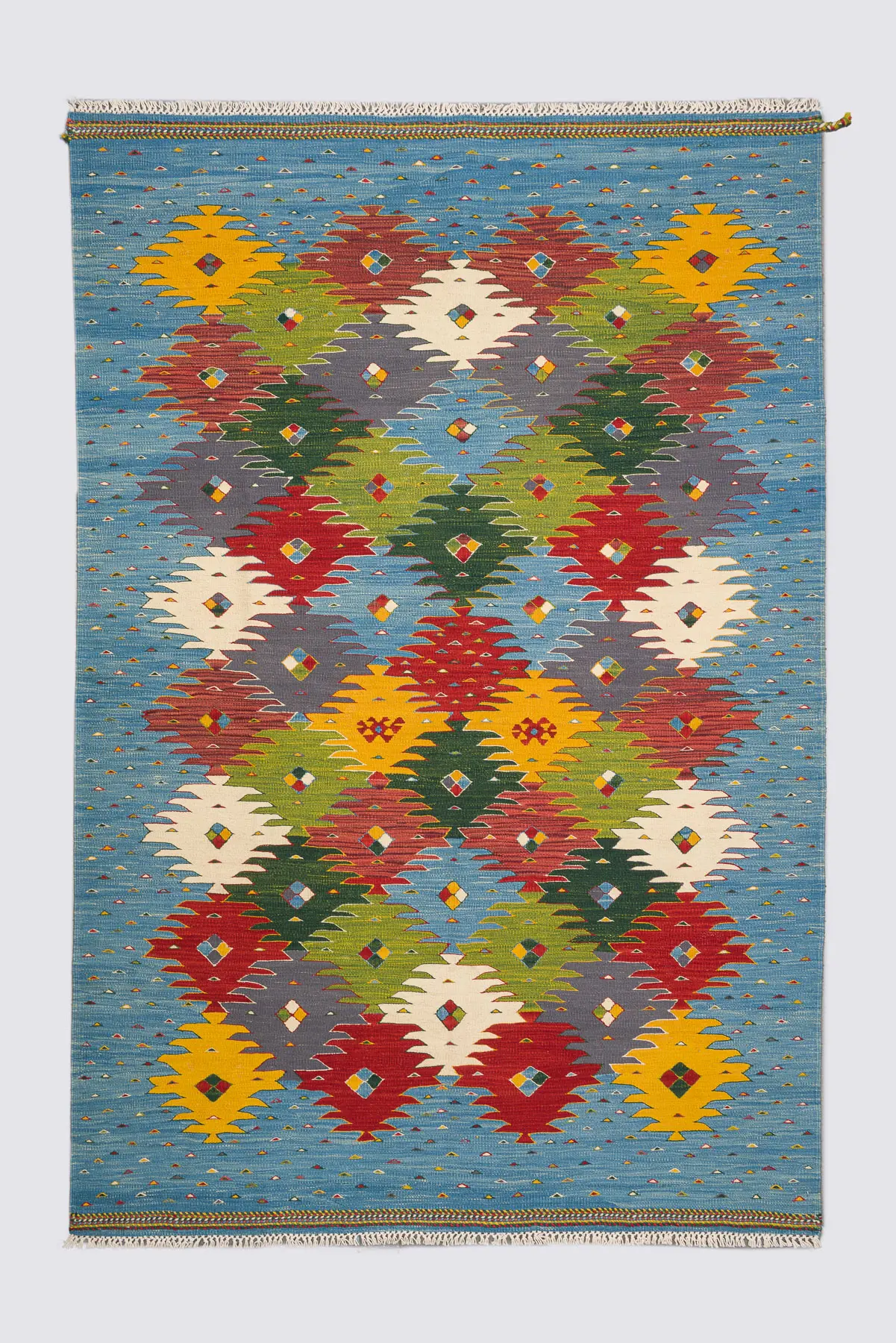
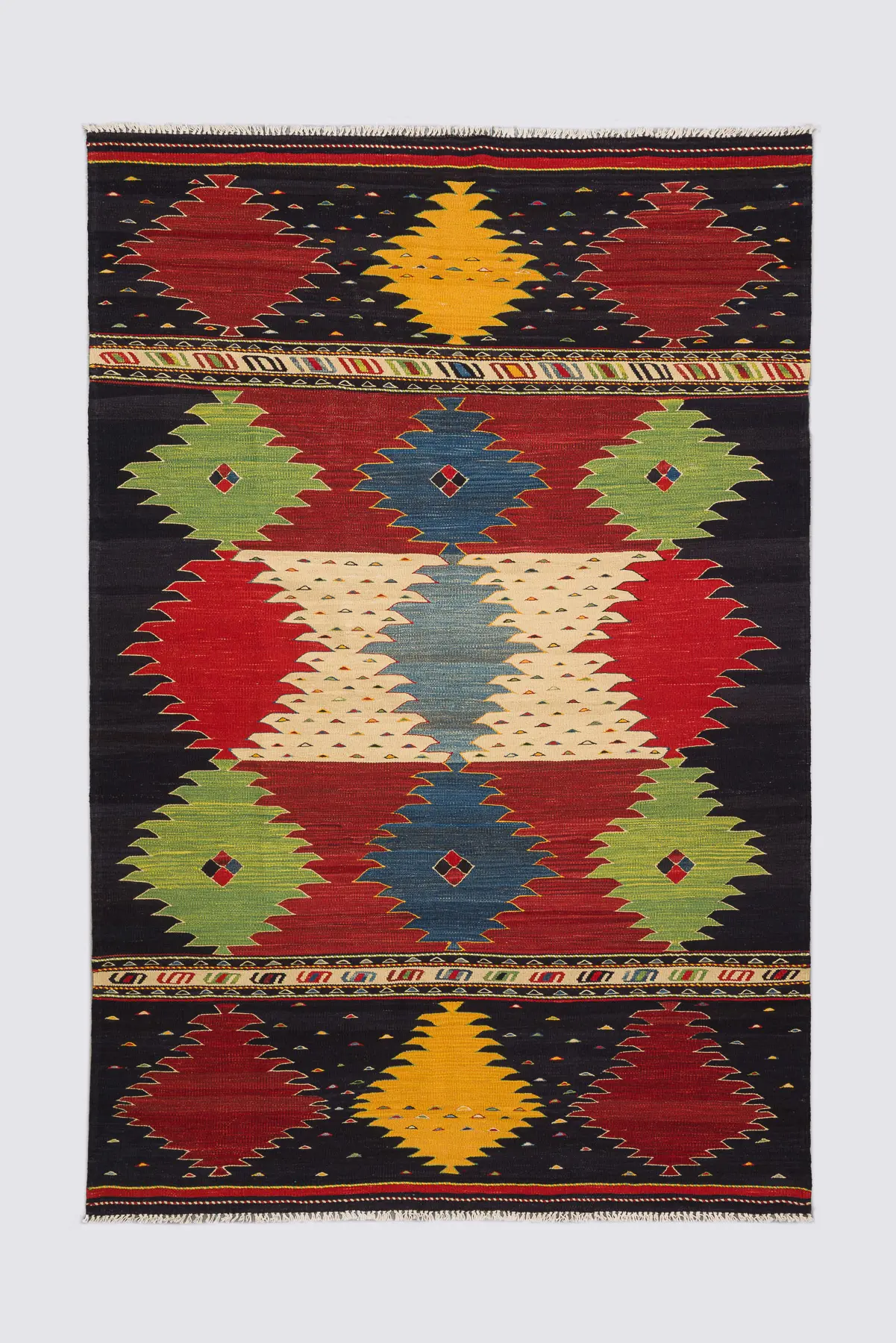
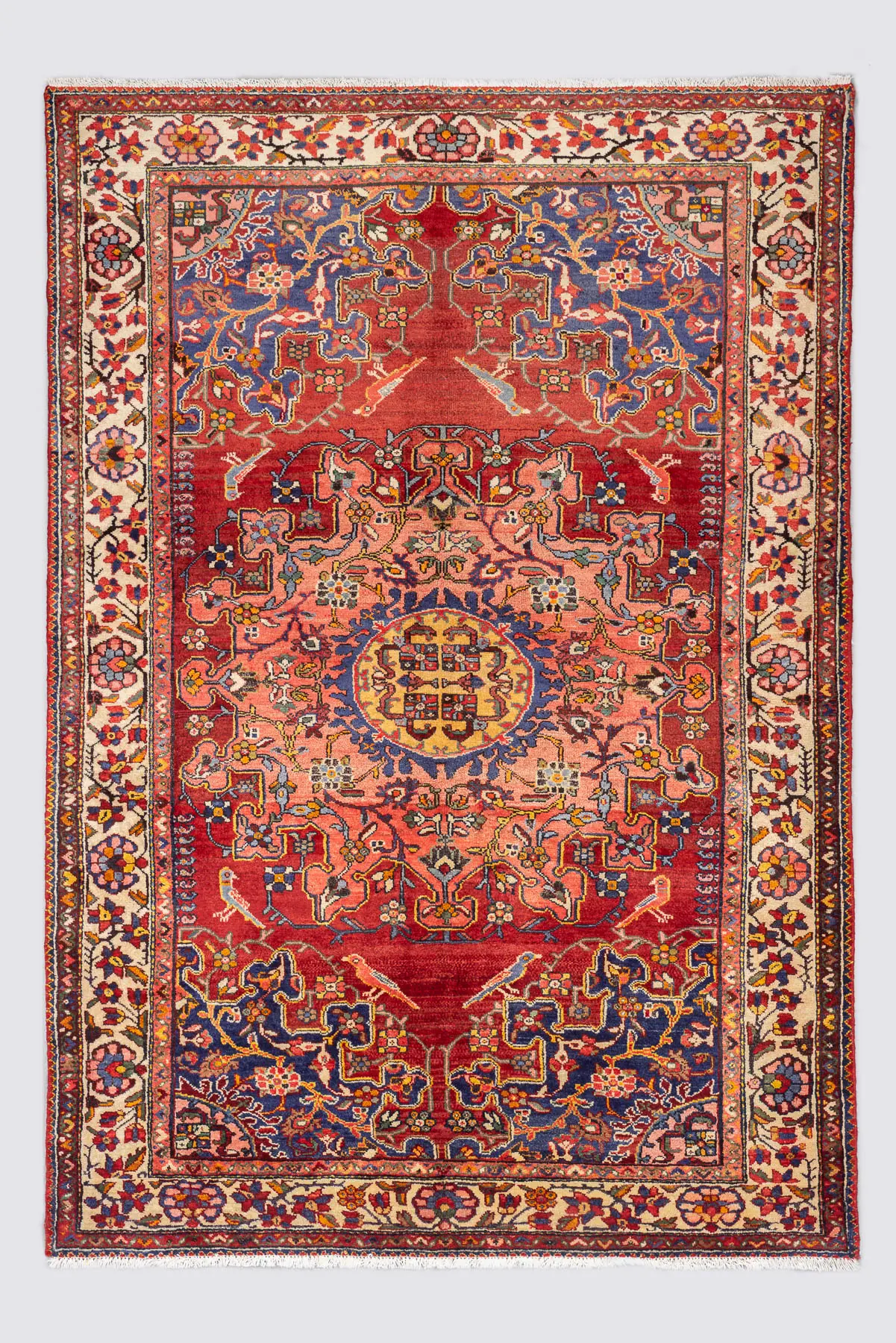
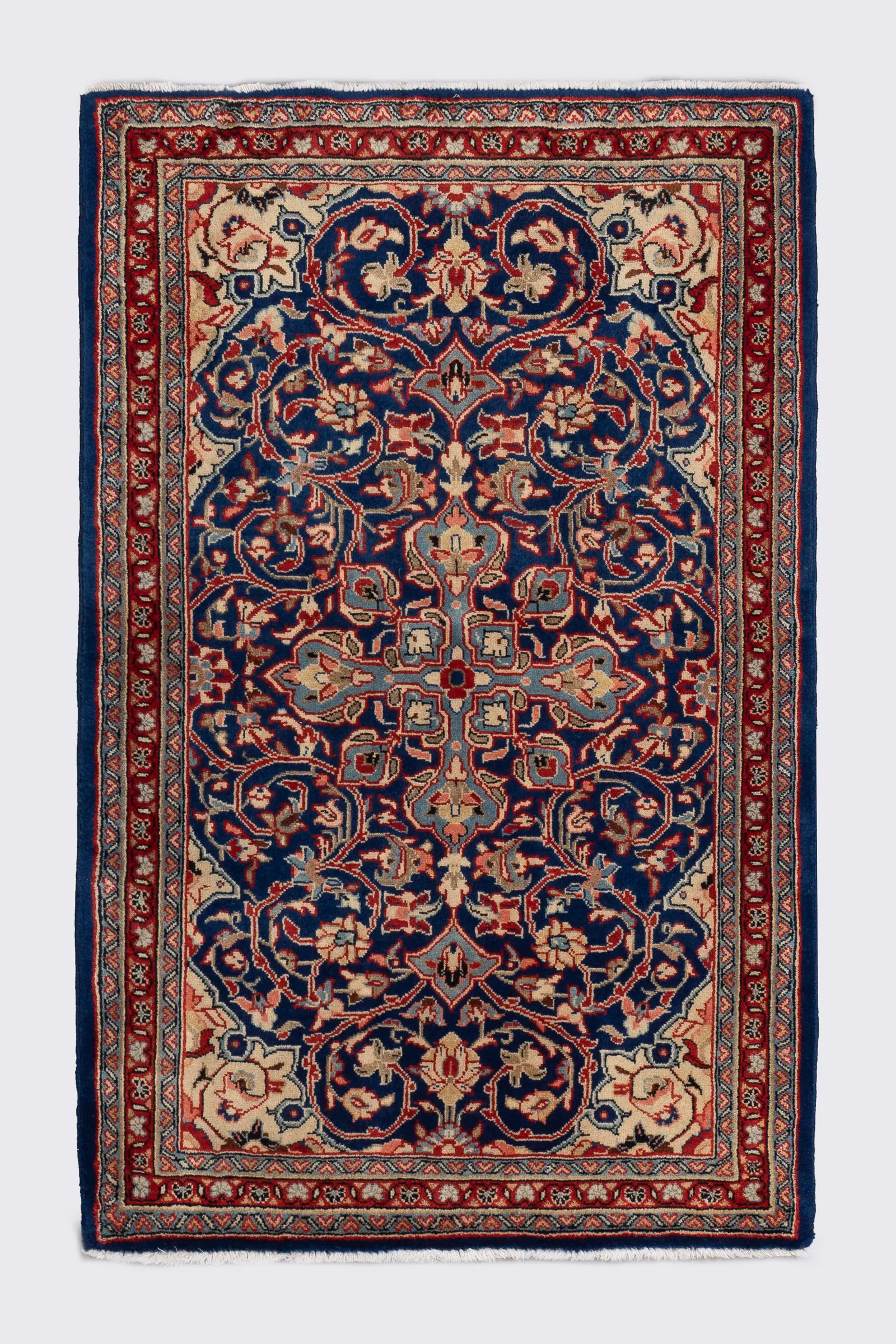
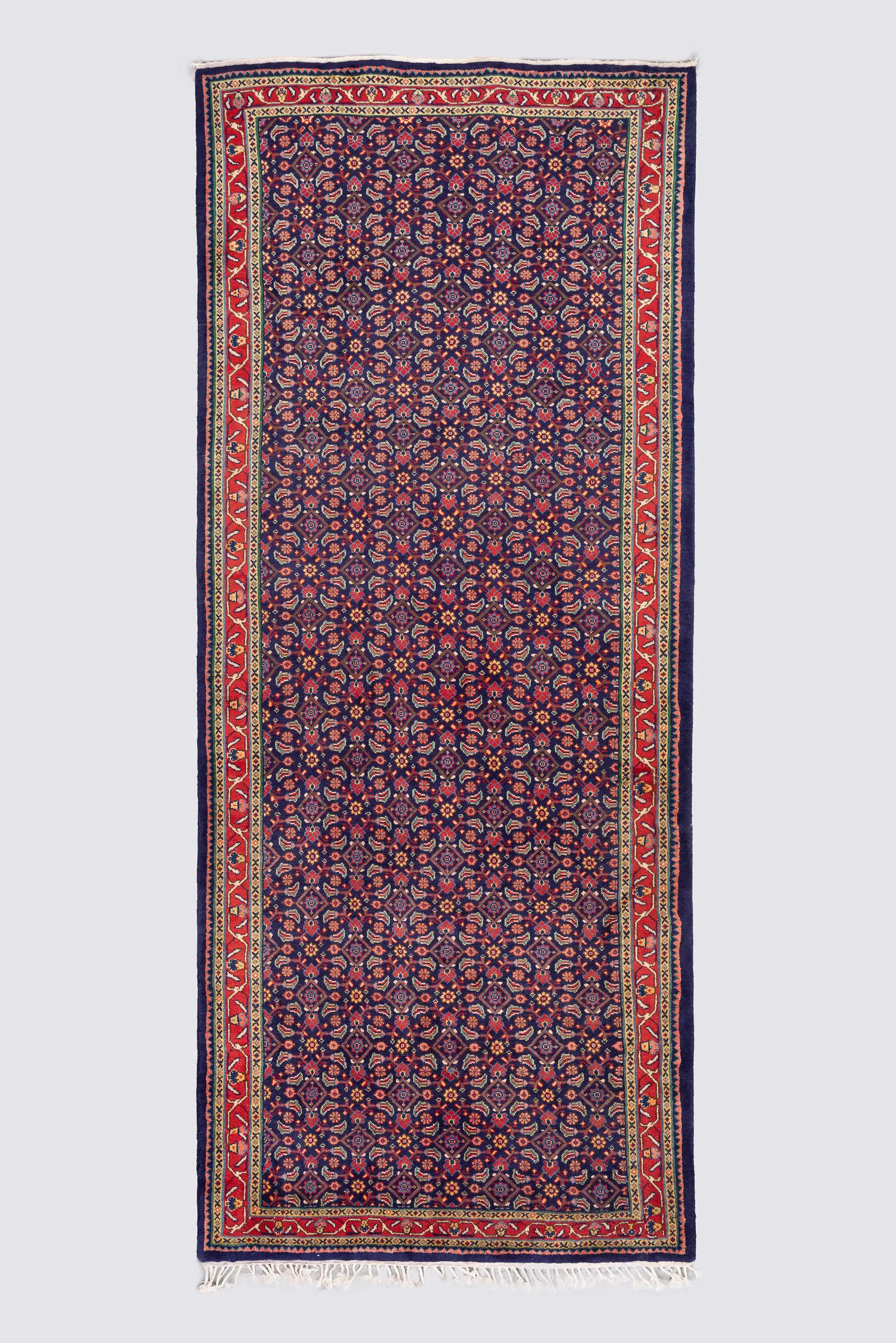
Saveh is a city of Markazi province in central Iran. A large group of the Turkic Khalaj settled in the mountains south-west of the city, where a district is still called Khalajestan, and many have kept their tribal identity. Our Saveh runners and the kilims titled Khalaj are their work.
Lilihan
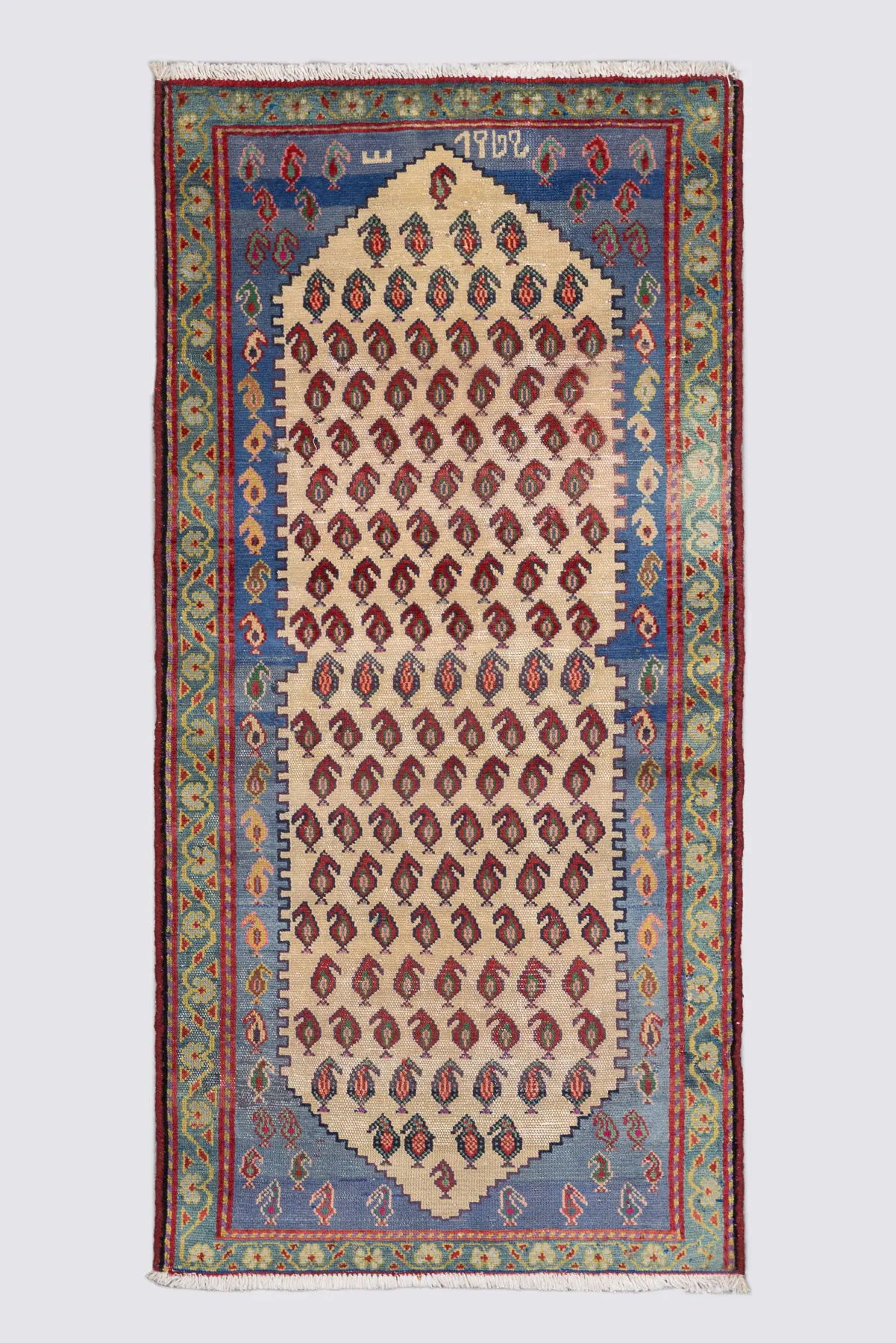
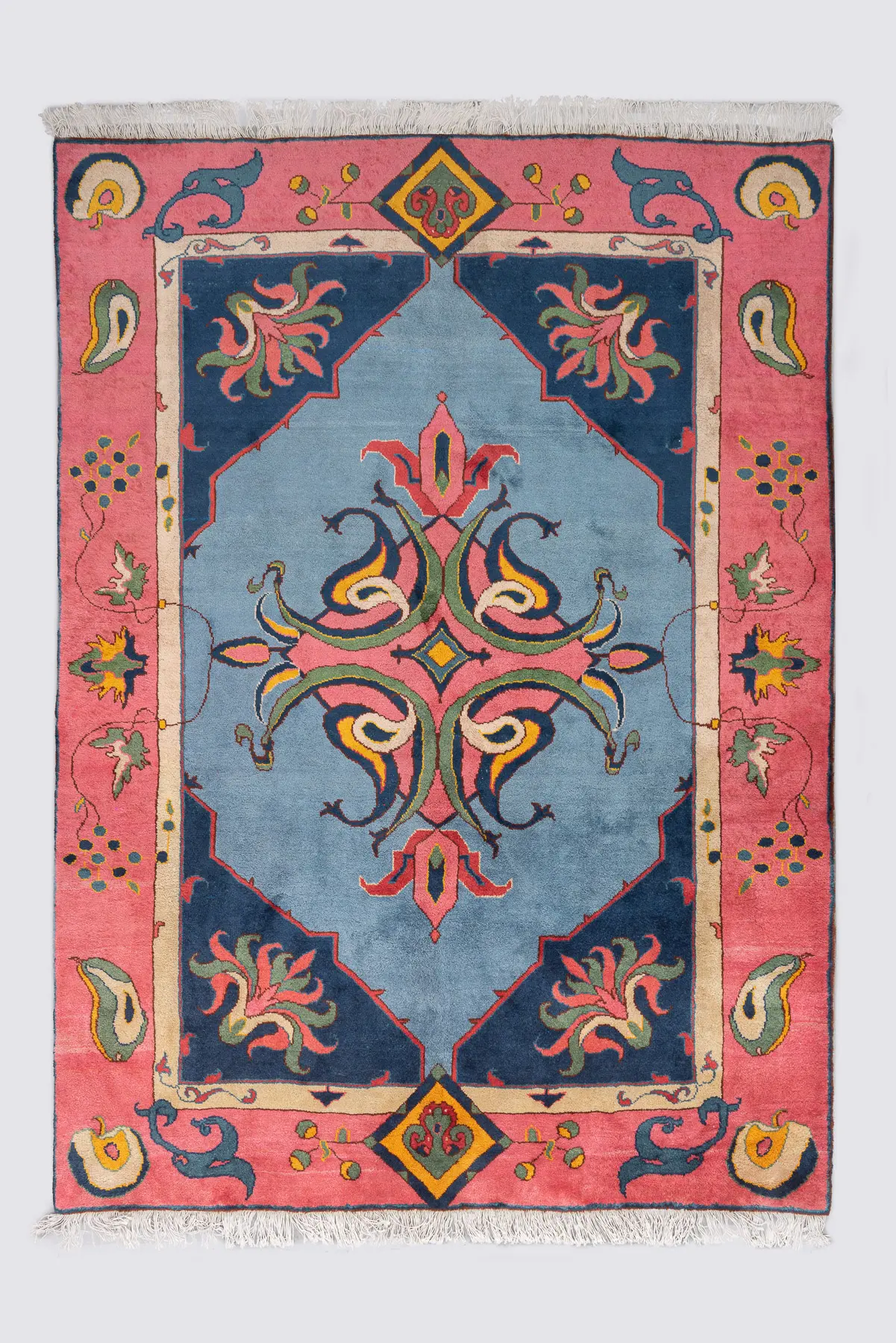
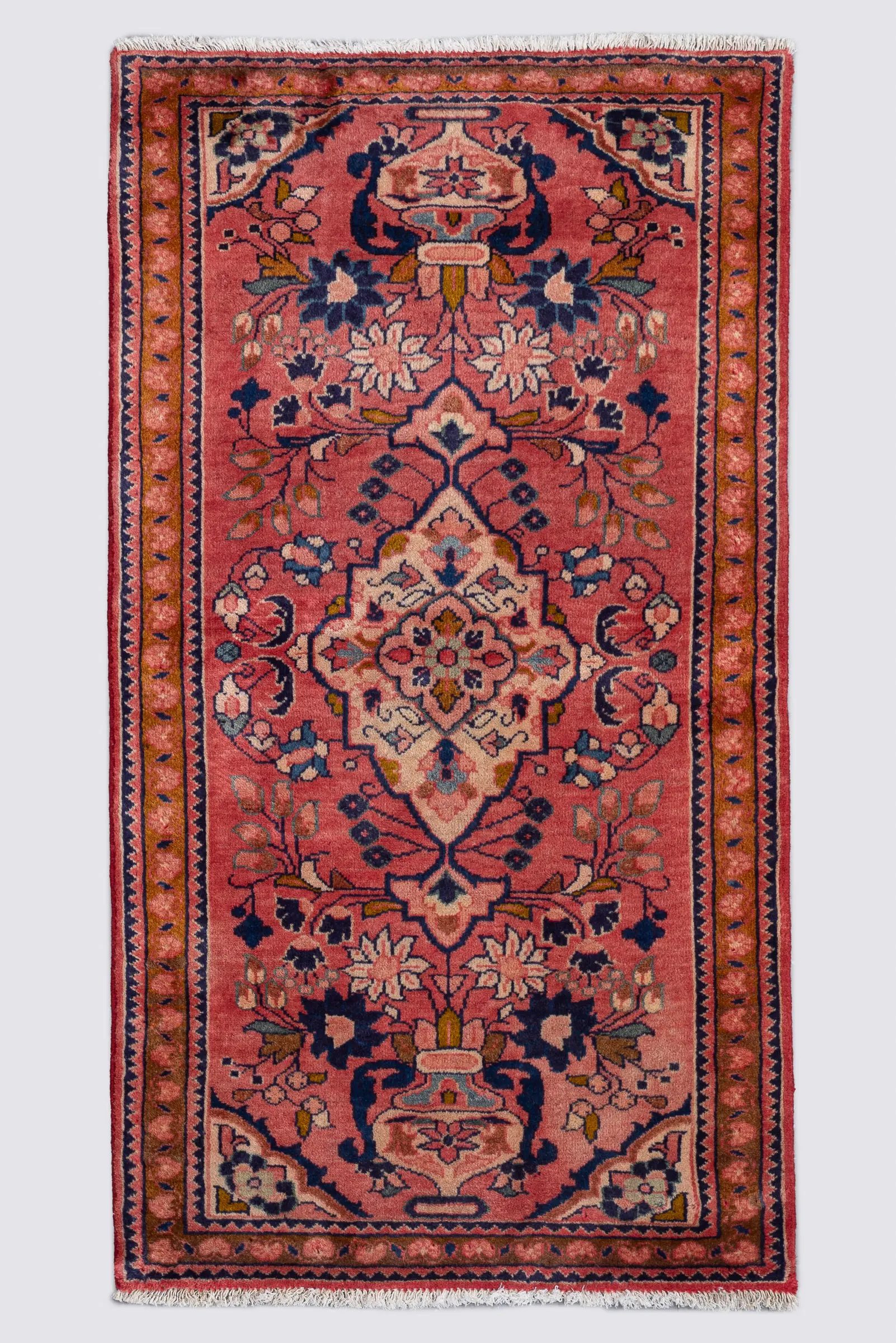
Lilihan (Lillian) is a village of the Arak district of western Iran whose Armenian weavers gave their name to Lilihan rugs; like other Armenian-woven rugs of the Hamadan and Arak districts, these are Persian rugs, classed by where they were woven.
Mahal
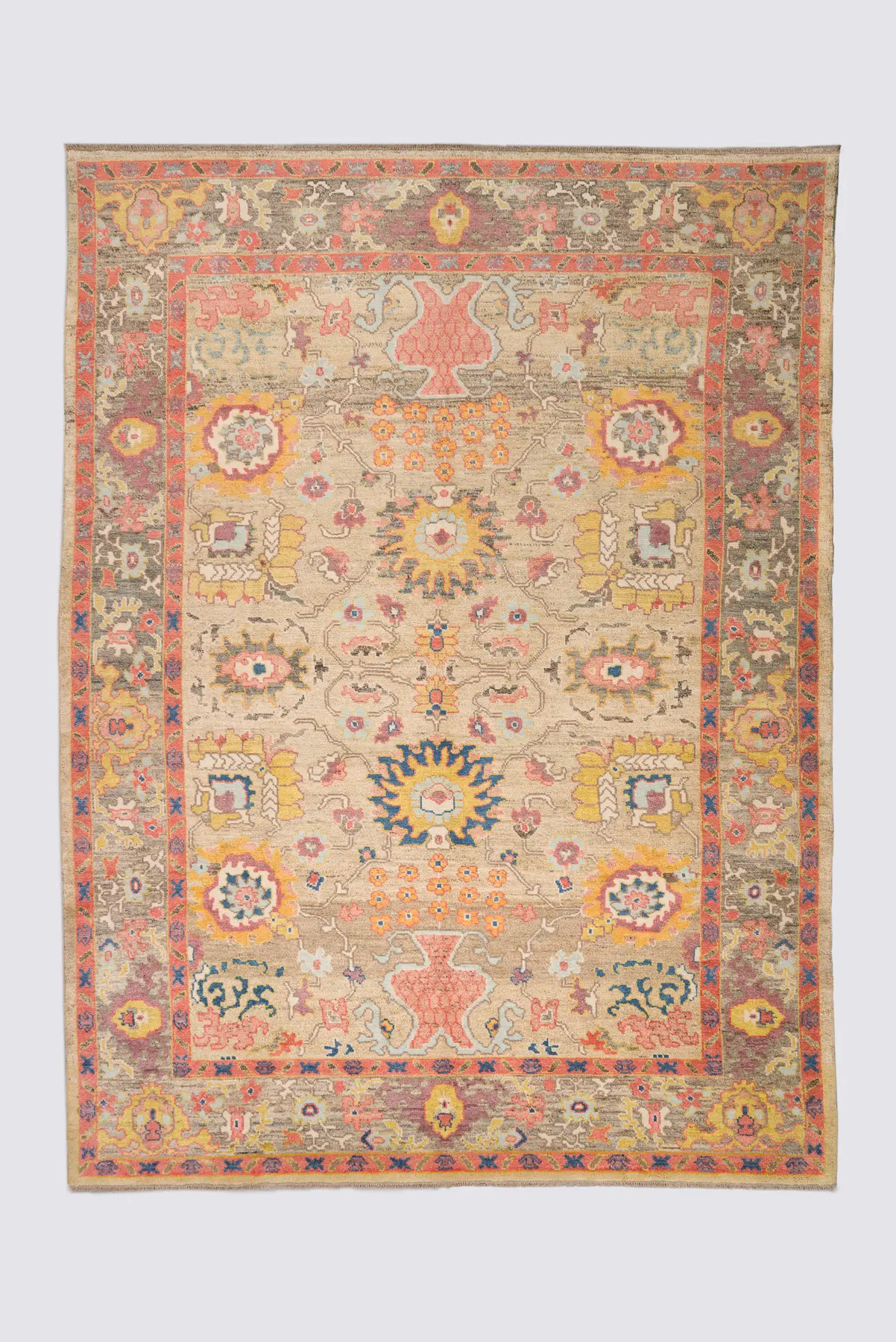
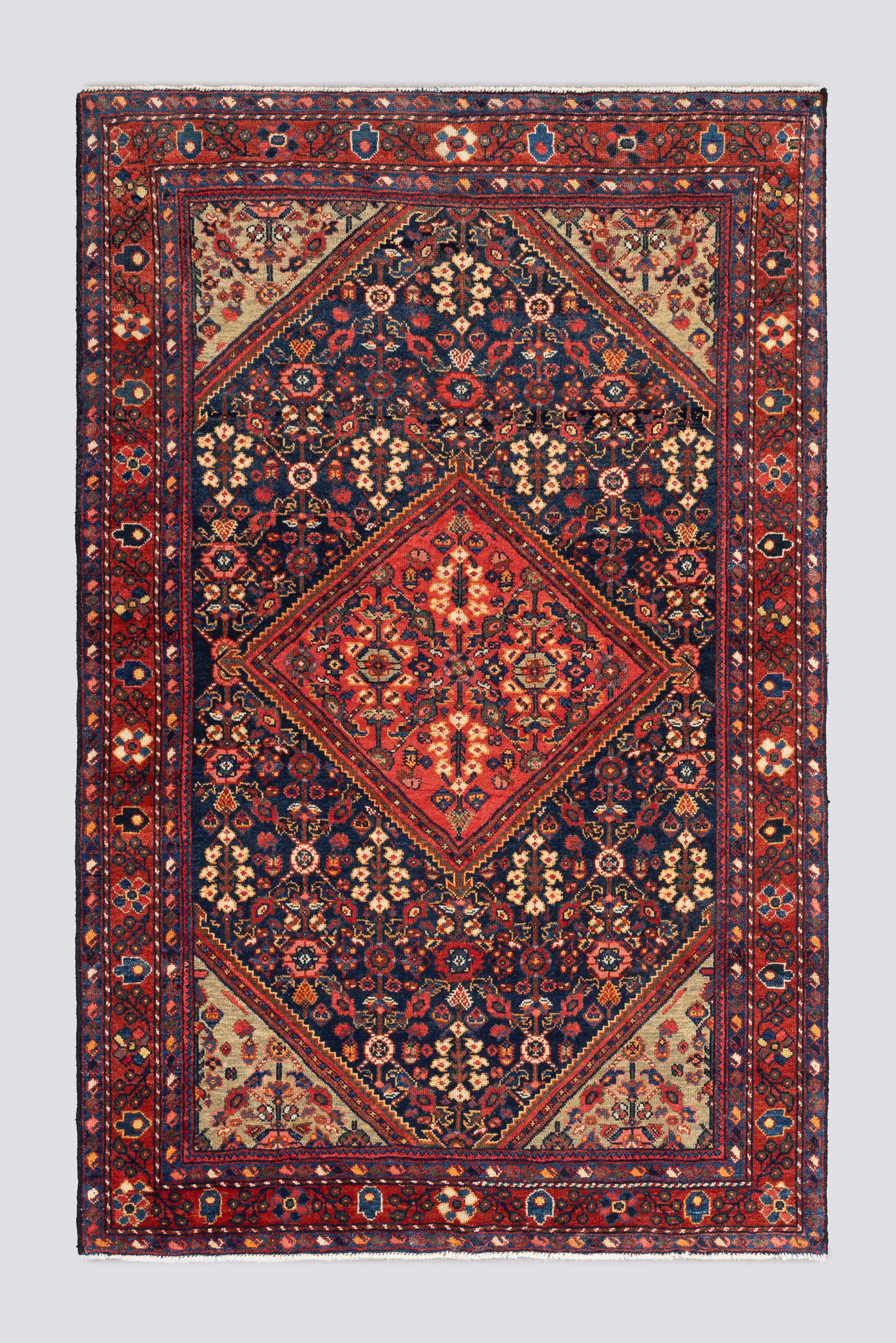
Mahal is a trade name for village carpets of varying quality from the neighbourhood of Arak (formerly Sultanabad) in western Iran. Britannica records that Sarouk and Mahal carpets succeeded the older Farahan production in the district, and groups Mahal with Mushkabad as Arak-area trade names.
Tafresh
Tafresh is a town and county of Markazi province in western Iran, north-east of Arak; the Farahan district was long part of its territory.