The Enduring Allure of Persian Rugs: A Brief Look into Their Significance in the Western World
Throughout history, there have been few objects that capture the imagination of Westerners like Persian rugs. Beyond the romantic image of flying carpets, these handwoven textiles have been treasured worldwide for their craftsmanship, symbolism and cultural significance. To many in the West, they offered not only a glimpse into the artistic mastery of Iran but also an encounter with a civilisation that united material beauty with spiritual depth. The harmony of pattern and proportion, the quiet radiance of natural dyes, and the trace of the human hand in every knot revealed a culture deeply attuned to order and meaning. Travellers, merchants and collectors regarded them as objects that spoke of patience, devotion and artistic integrity, forming bridges of texture and colour between distant worlds. In this blog post, we’ll briefly explore their enduring appeal in the Western world and examine the various factors that have made them beloved pieces of home décor.
Safavid Splendour and the Birth of a Global Trade
The history of the Persian rug trade with the West dates back several centuries, but it flourished during the Safavid dynasty (1501–1736). Safavid rulers encouraged carpet production to promote their country’s wealth and prestige, establishing royal workshops in key cities like Tabriz, Qazvin and Isfahan. In 1591, Shah Abbās I relocated the capital to Isfahan and commissioned large workshops to produce royal carpets. Many great rugs were woven in these ateliers, using high-quality wool or silk and intricate designs.
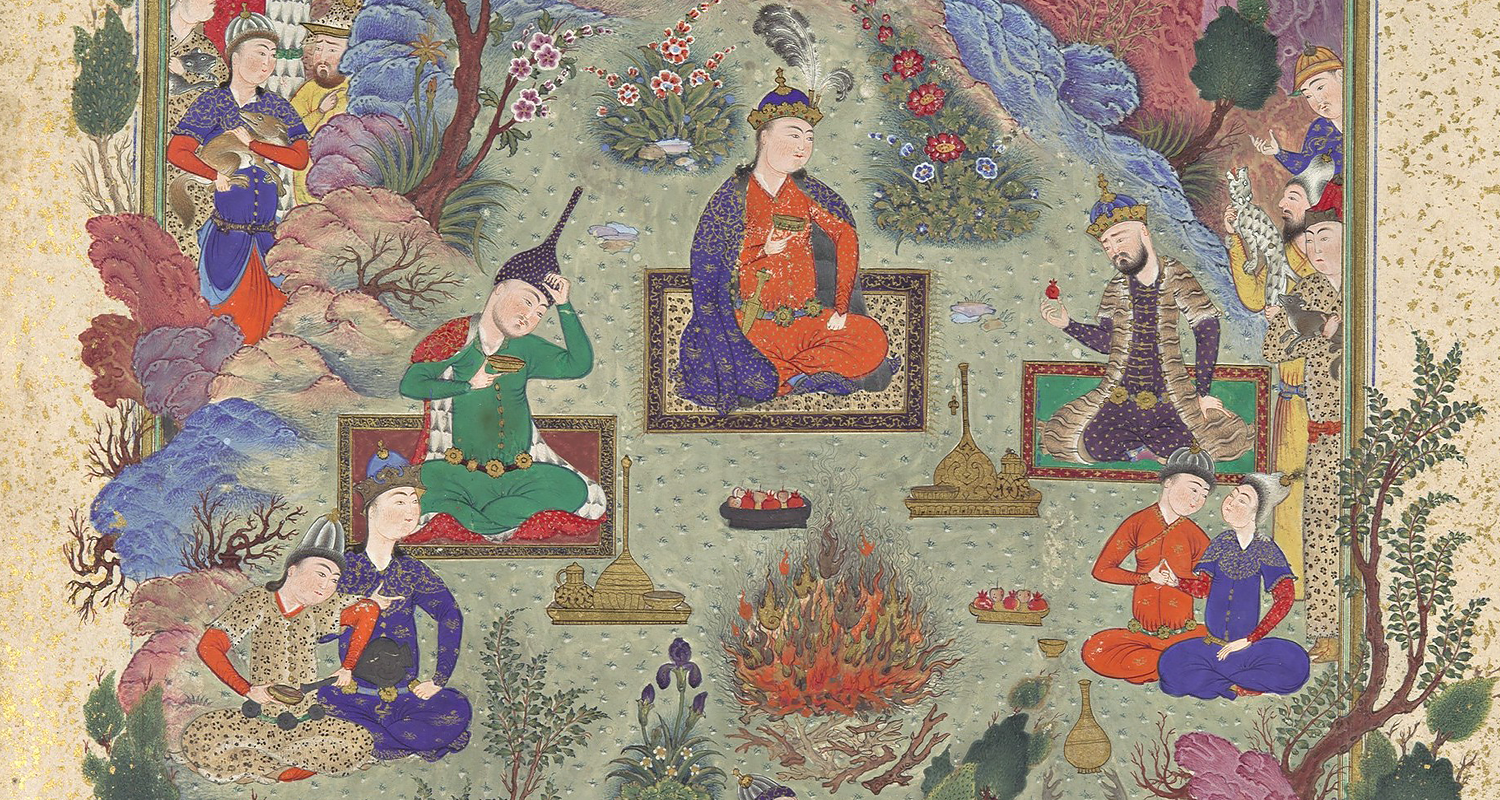
Demand grew during the 16th and 17th centuries as European traders and diplomats admired these textiles. Diplomatic relations between Persia and Europe and new trade routes through the Ottoman Empire facilitated this exchange. Persian rugs were especially popular among European aristocrats, who used them to decorate their homes and display sophistication; this trade enhanced Persia’s cultural and artistic reputation. Safavid innovations such as curvilinear designs required capable weavers and draftsmanship, while court artists adapted motifs across ceramics and miniatures.
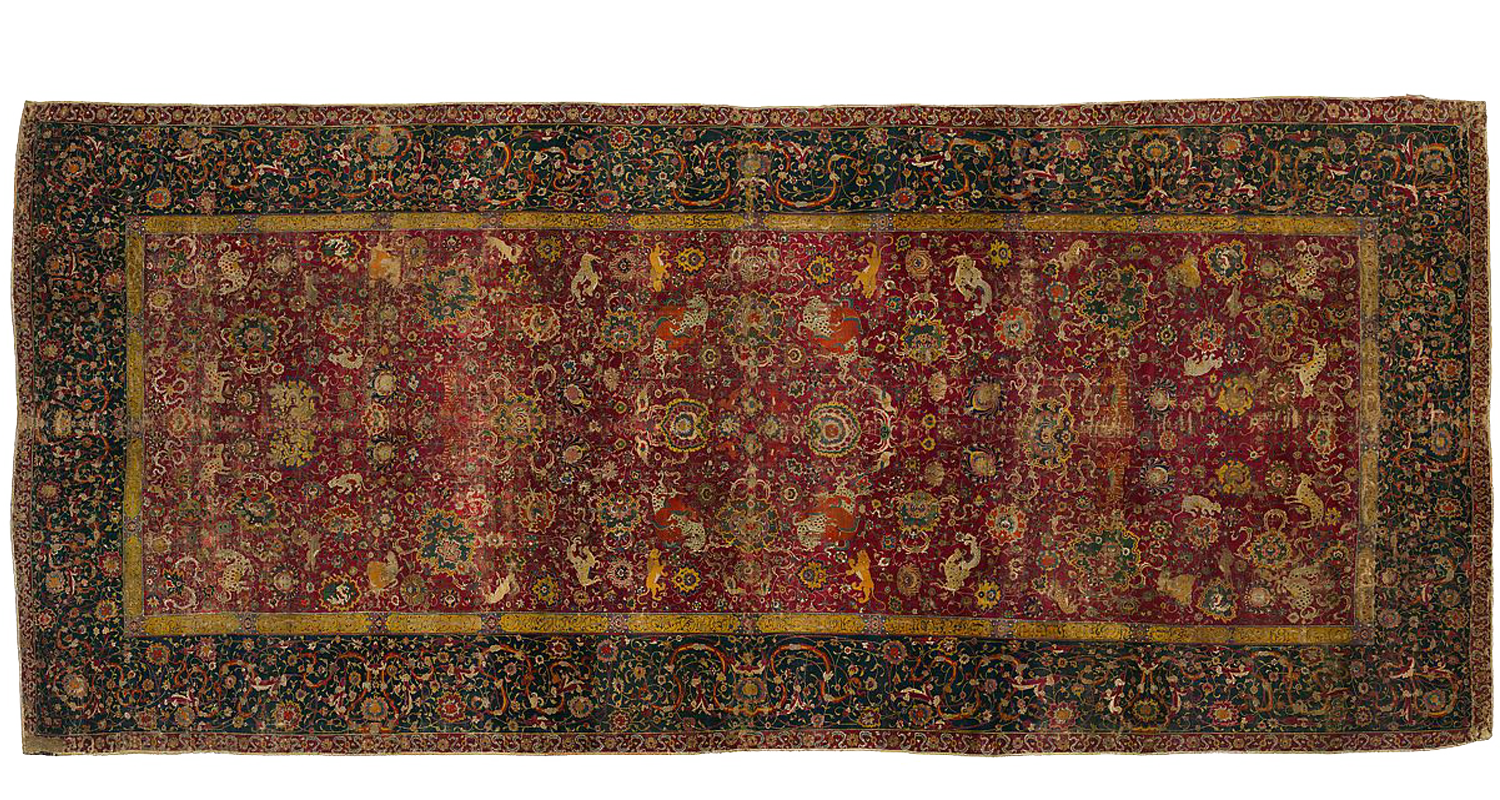
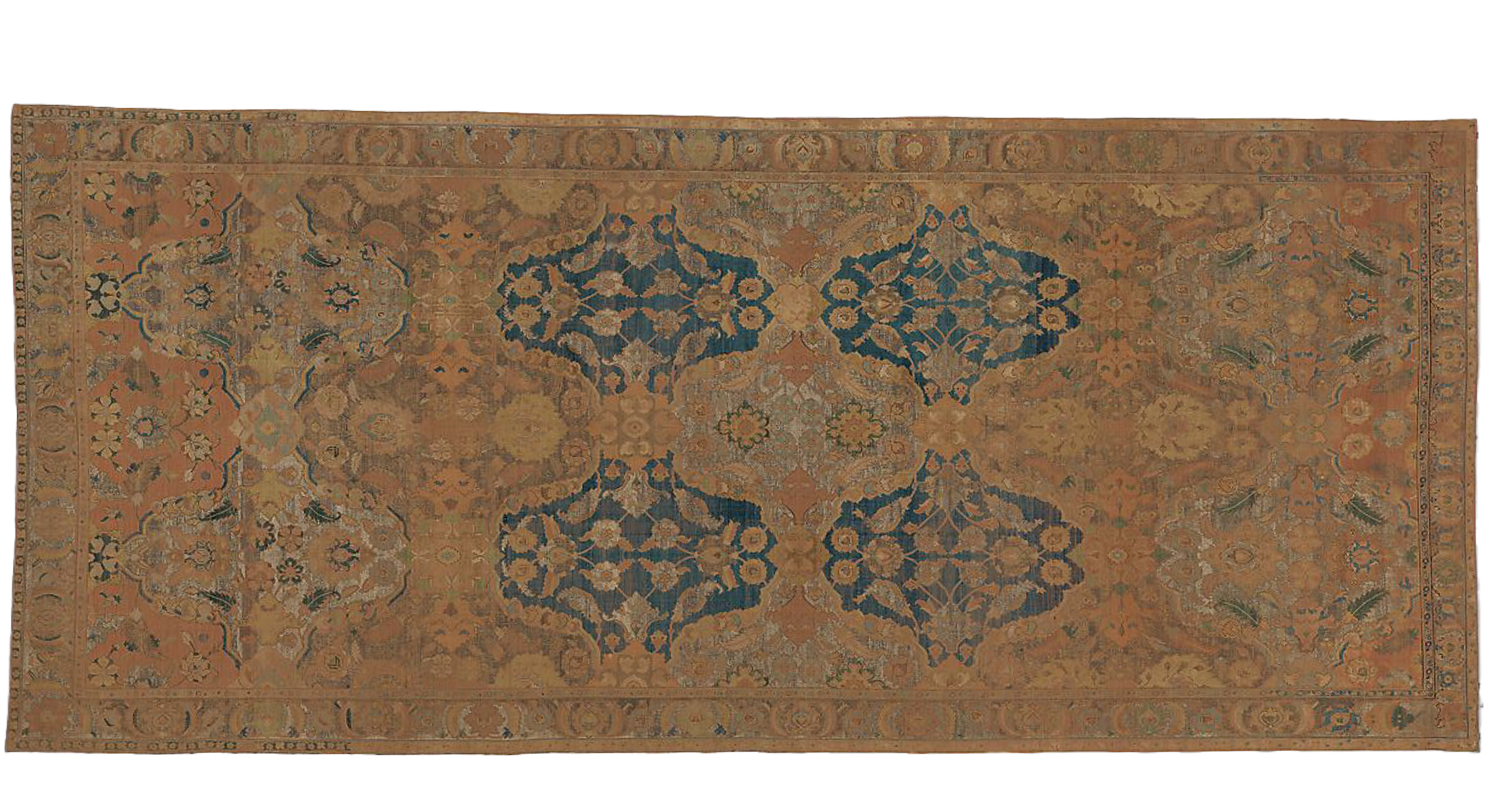
Design reached extraordinary heights in this period. The Ardabil Carpet, now in the Victoria and Albert Museum, exemplifies early Safavid artistry. Its composition revolves around a large sixteen-lobed medallion, with two mosque lamps hanging below and a border of cloud-band motifs derived from Chinese art. Subtle variations in natural dyes create a shimmering ripple effect across the reds, blues and greens, and the extremely high knot density gives the surface exceptional clarity. Another masterpiece, the Emperor’s Carpet, features scrolling vines, palmettes, cloud-bands and animals woven in wool pile on a silk foundation; a minor border contains couplets praising the king for whom it was made.
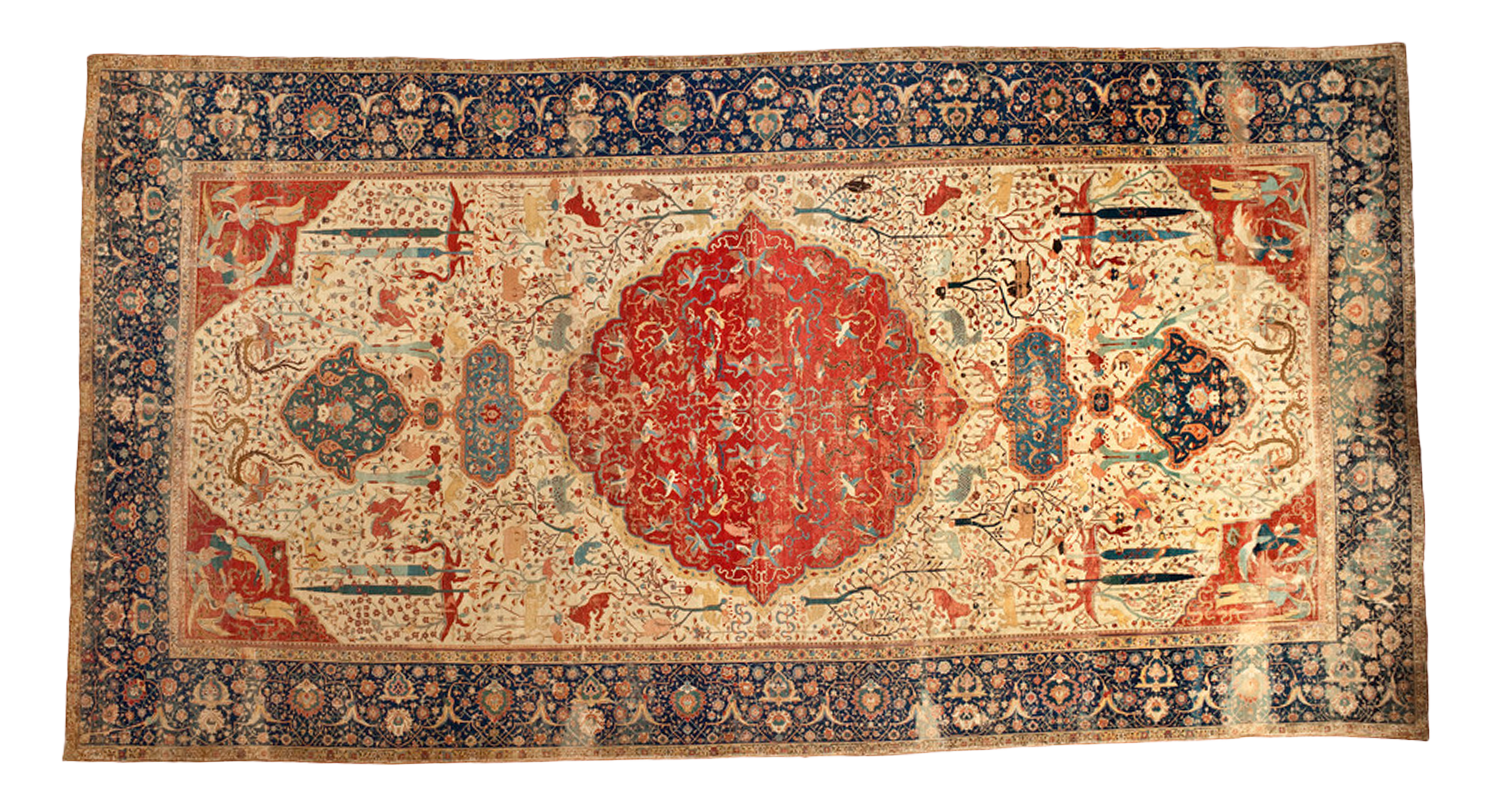
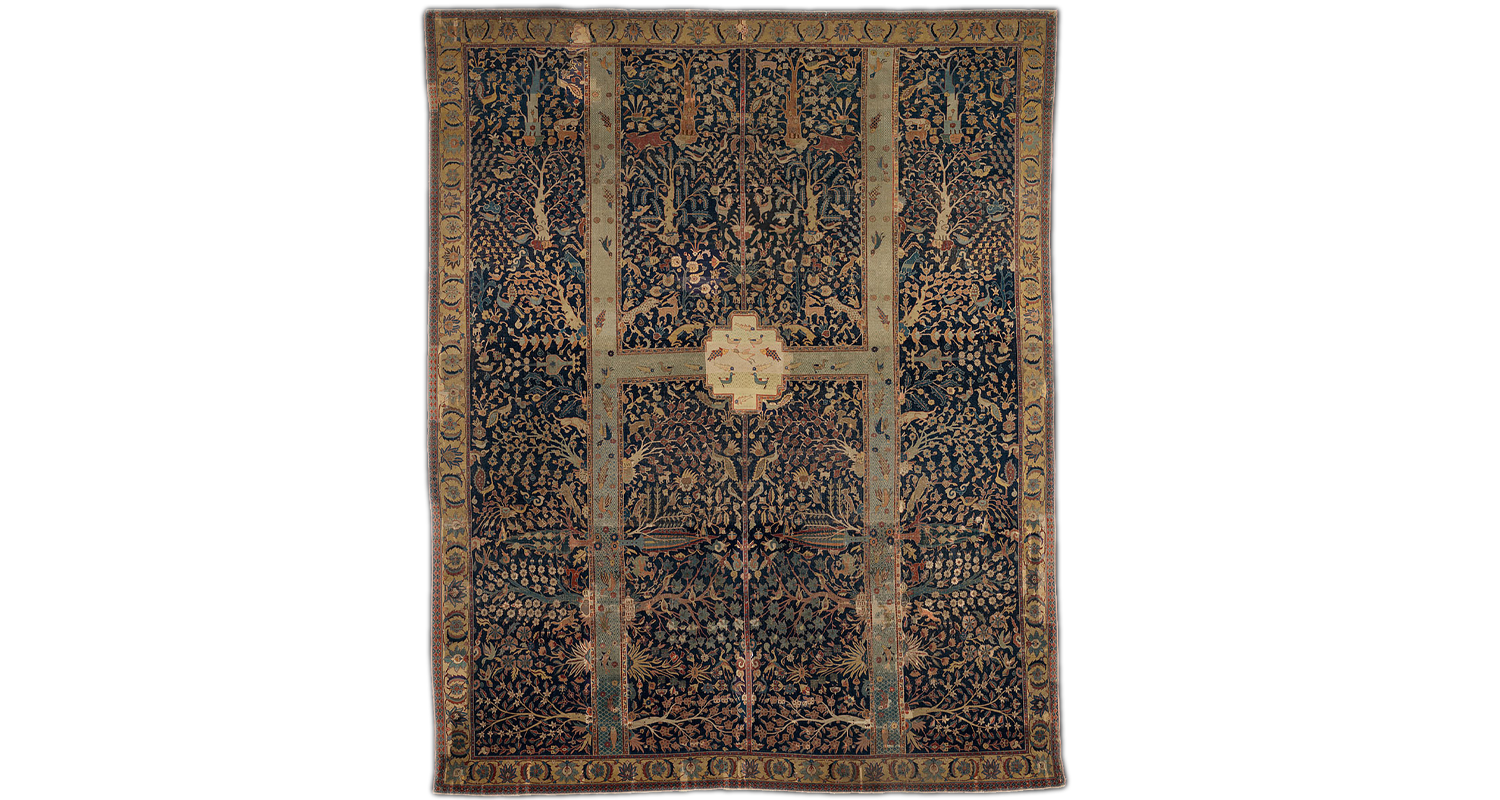
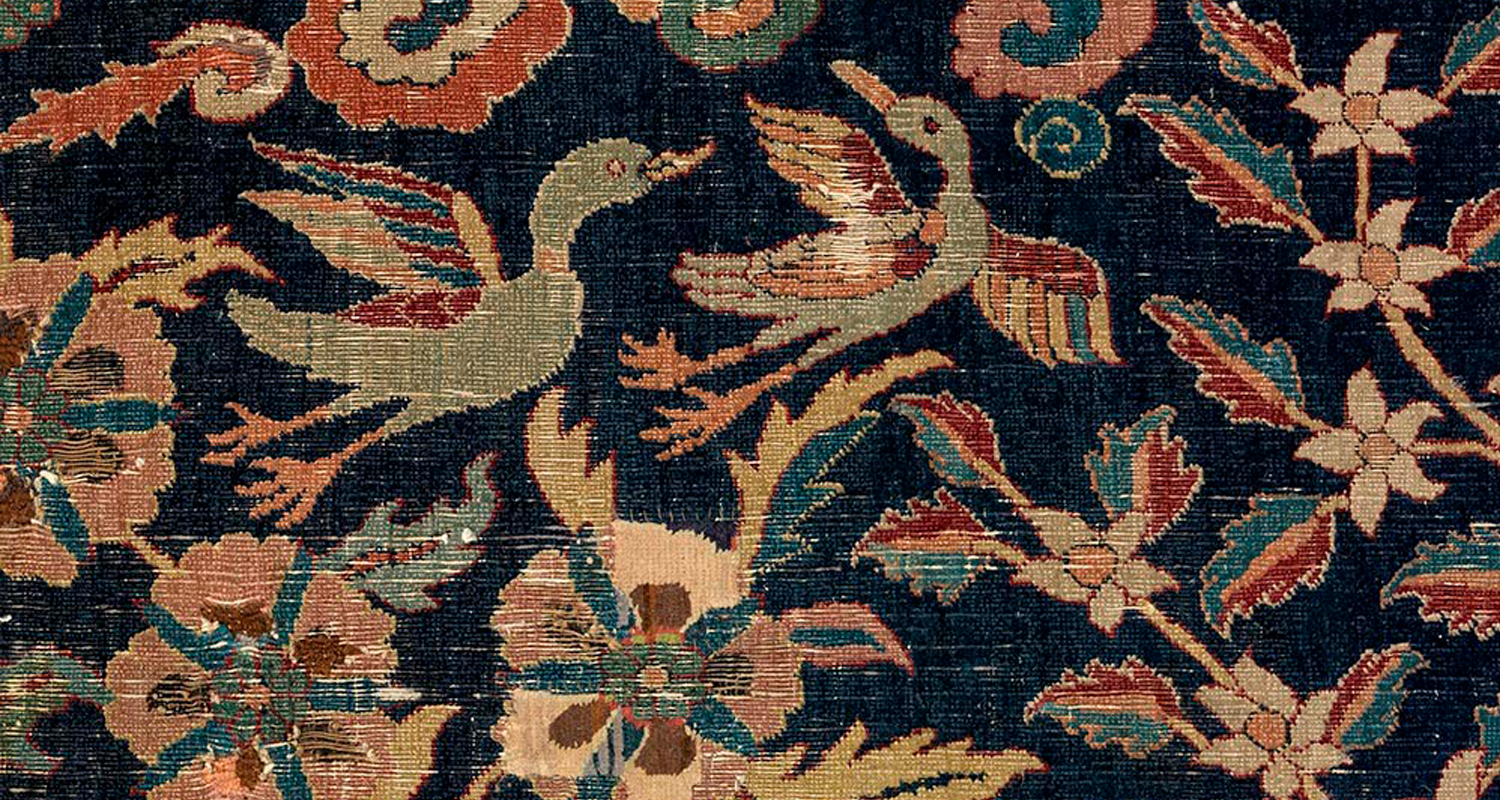
Some of the most opulent carpets of the Safavid era were made specifically for export. The so‑called Polonaise carpets, woven in Isfahan during the reign of Shah ʿAbbās I but named because many examples ended up in Polish collections, feature silk pile brocaded with gold and silver thread. These pieces were distinguished by voluminous patterning and once‑vivid colours; they were luxury goods made for foreign courts rather than for domestic use. Garden carpets, like the 17th‑century Wagner Garden Carpet in Glasgow’s Burrell Collection, depict formal gardens laid out in cruciform designs with water channels and animal‑filled enclosures. The carpet’s garden motif draws on pre‑Islamic Persian paradise imagery and religious descriptions of Heaven. Hunting carpets, such as the 16th‑century Tabriz carpet in Milan’s Poldi Pezzoli Museum, combine medallion layouts with animal and hunting scenes; these scenes are interpreted as symbolic battles between good and evil in a Garden of Eden. Such pieces show how Persian weavers merged Persian, Chinese and Islamic decorative traditions to create carpets that were at once technical marvels and symbols of royal authority.
Rugs on Display: Prestige and Art in Europe
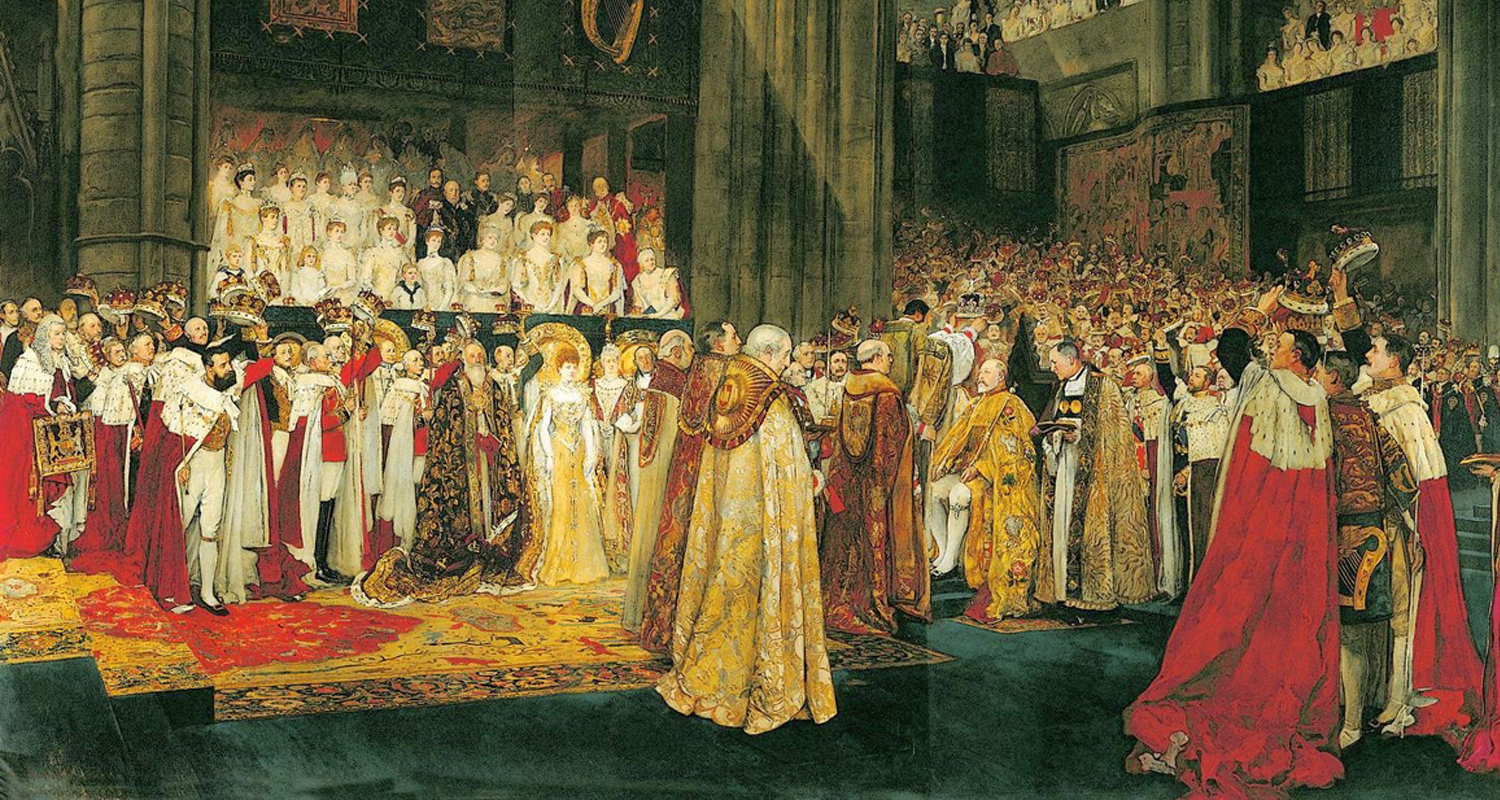
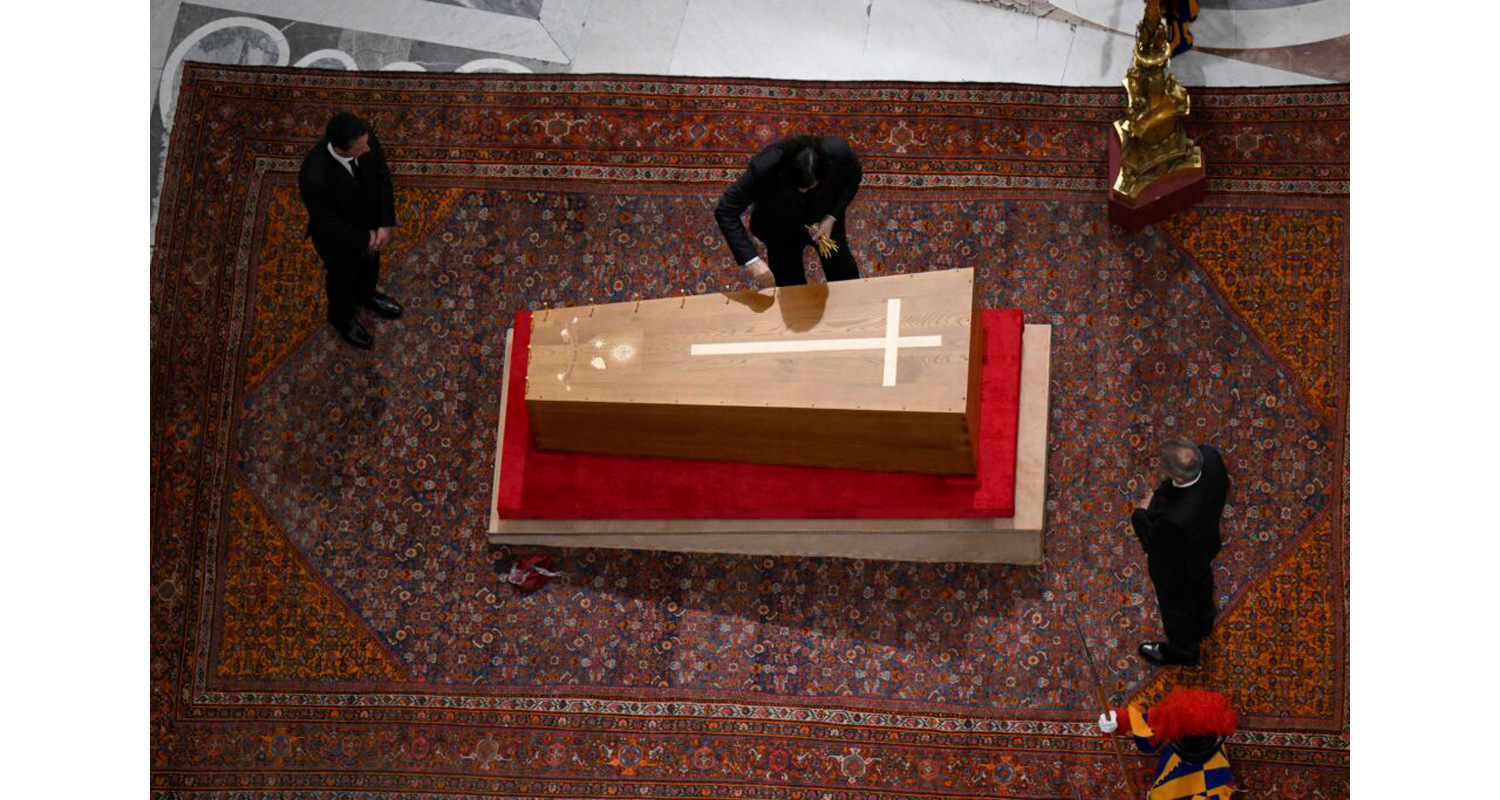
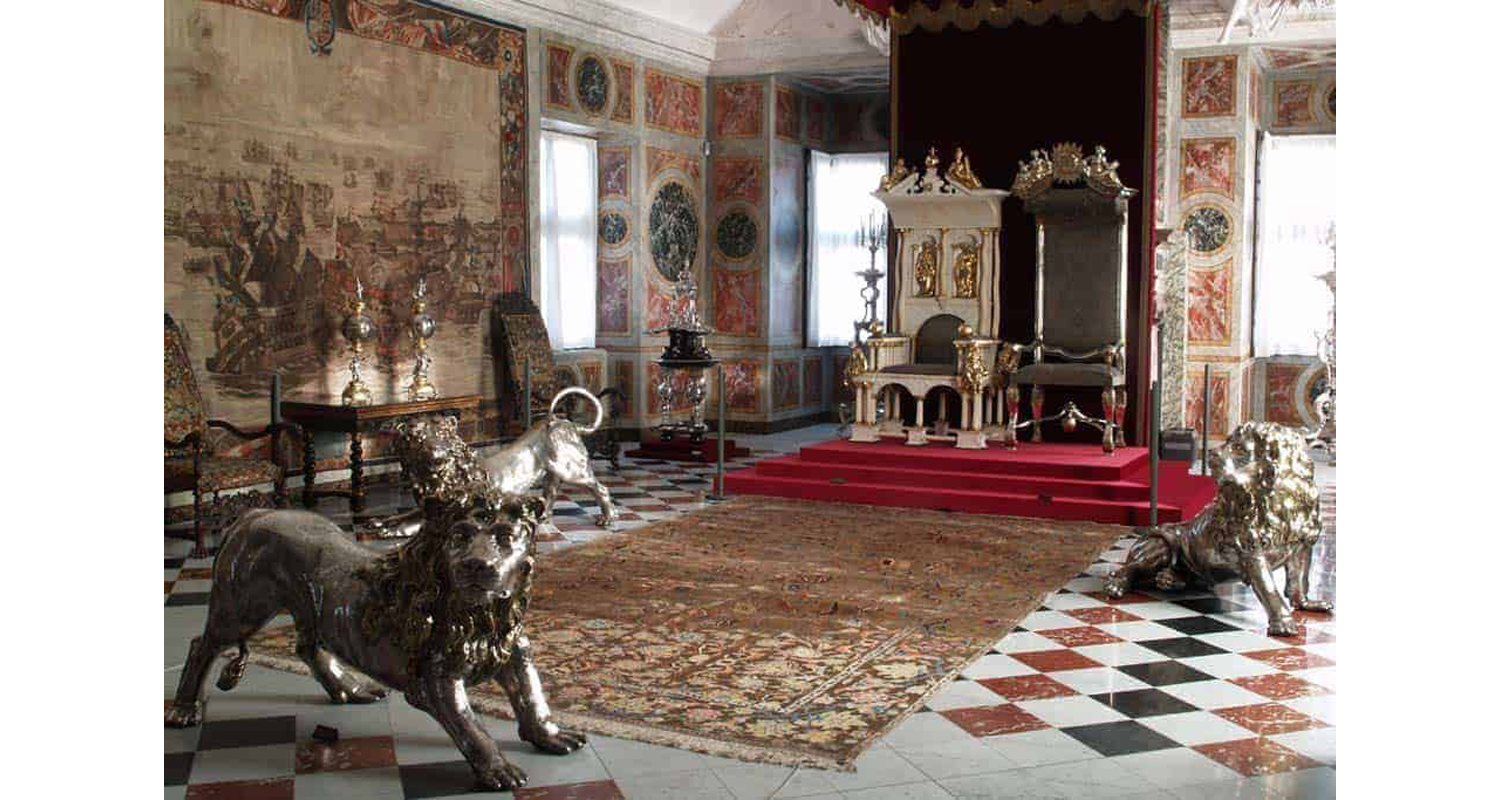
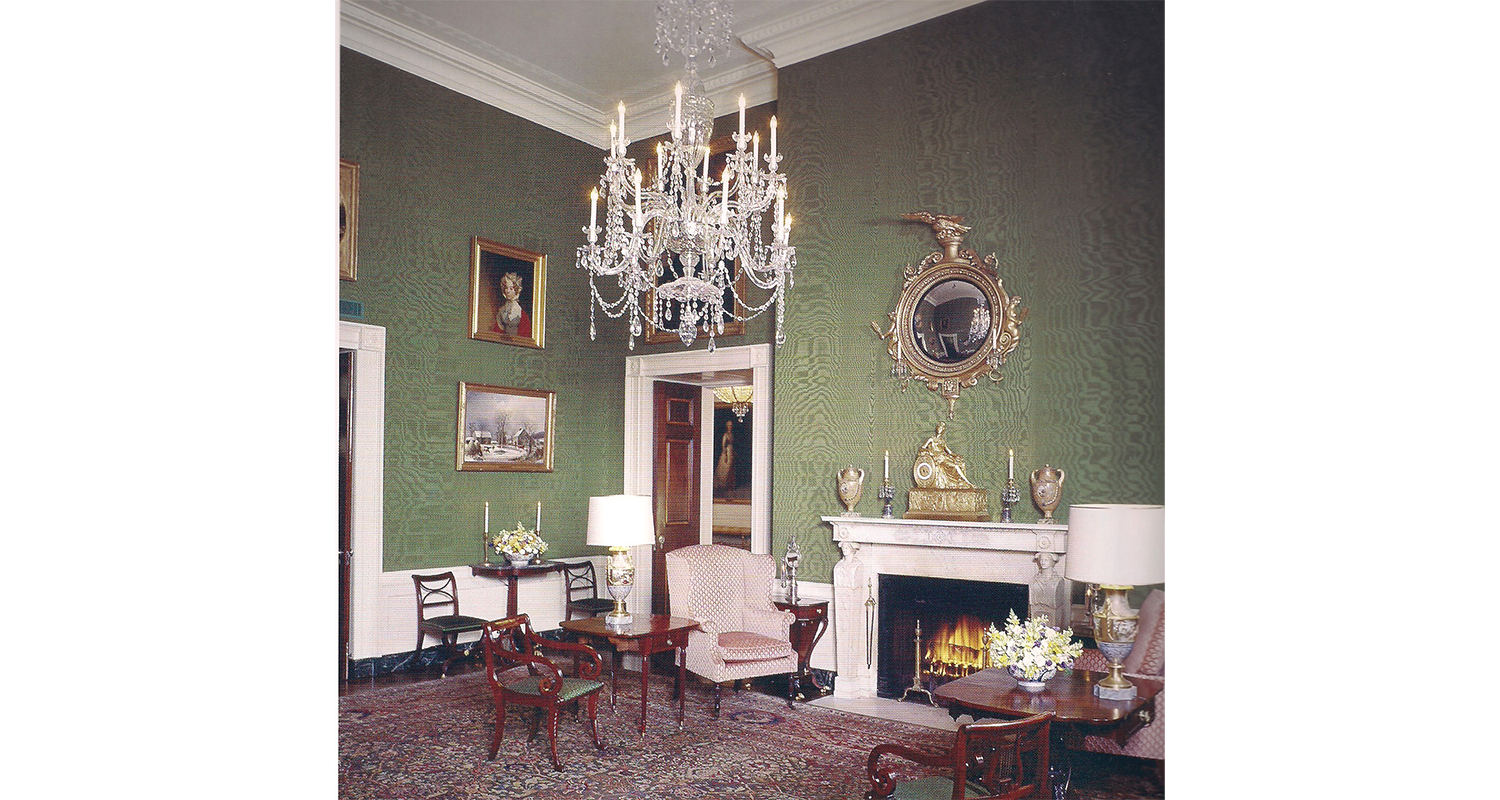
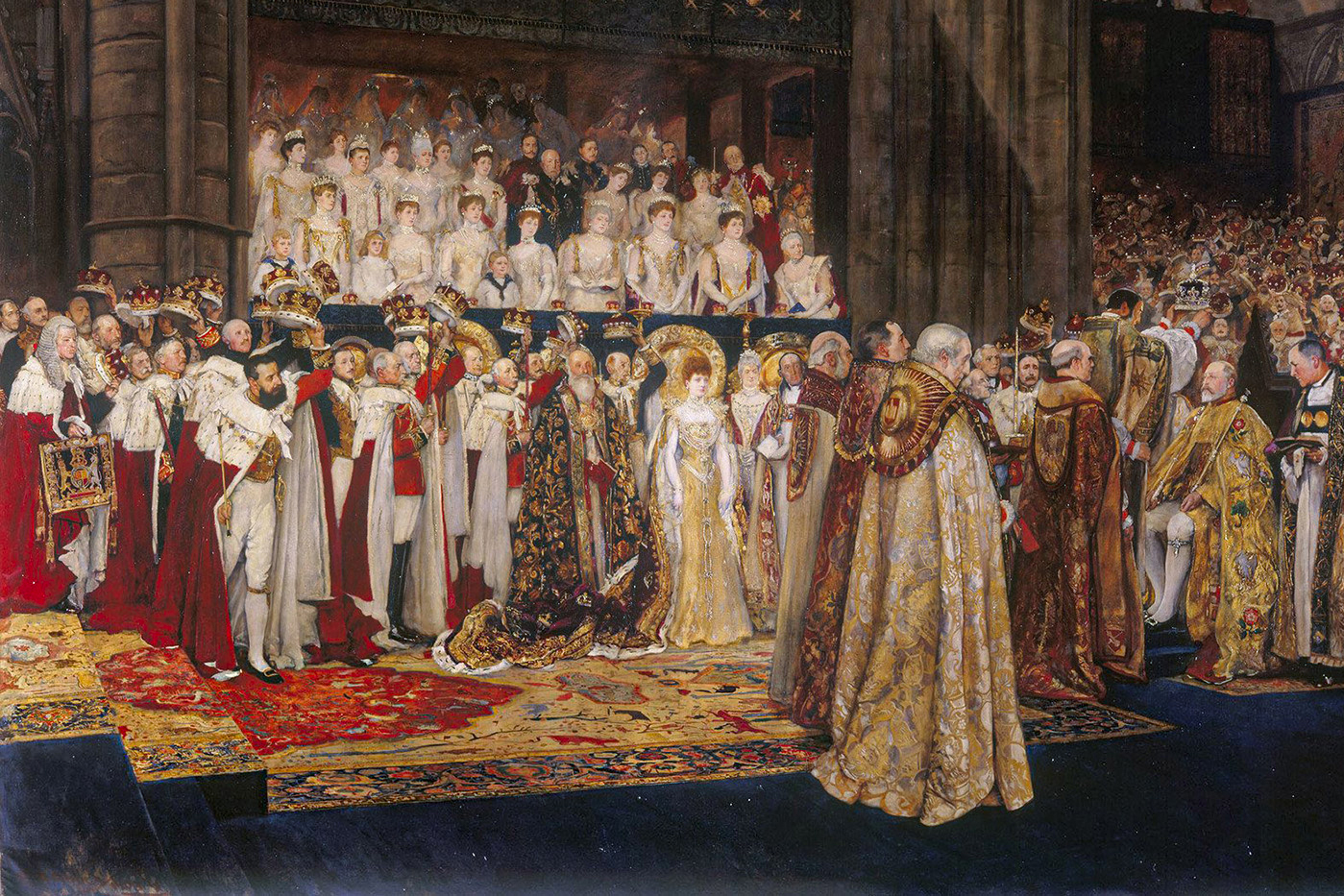
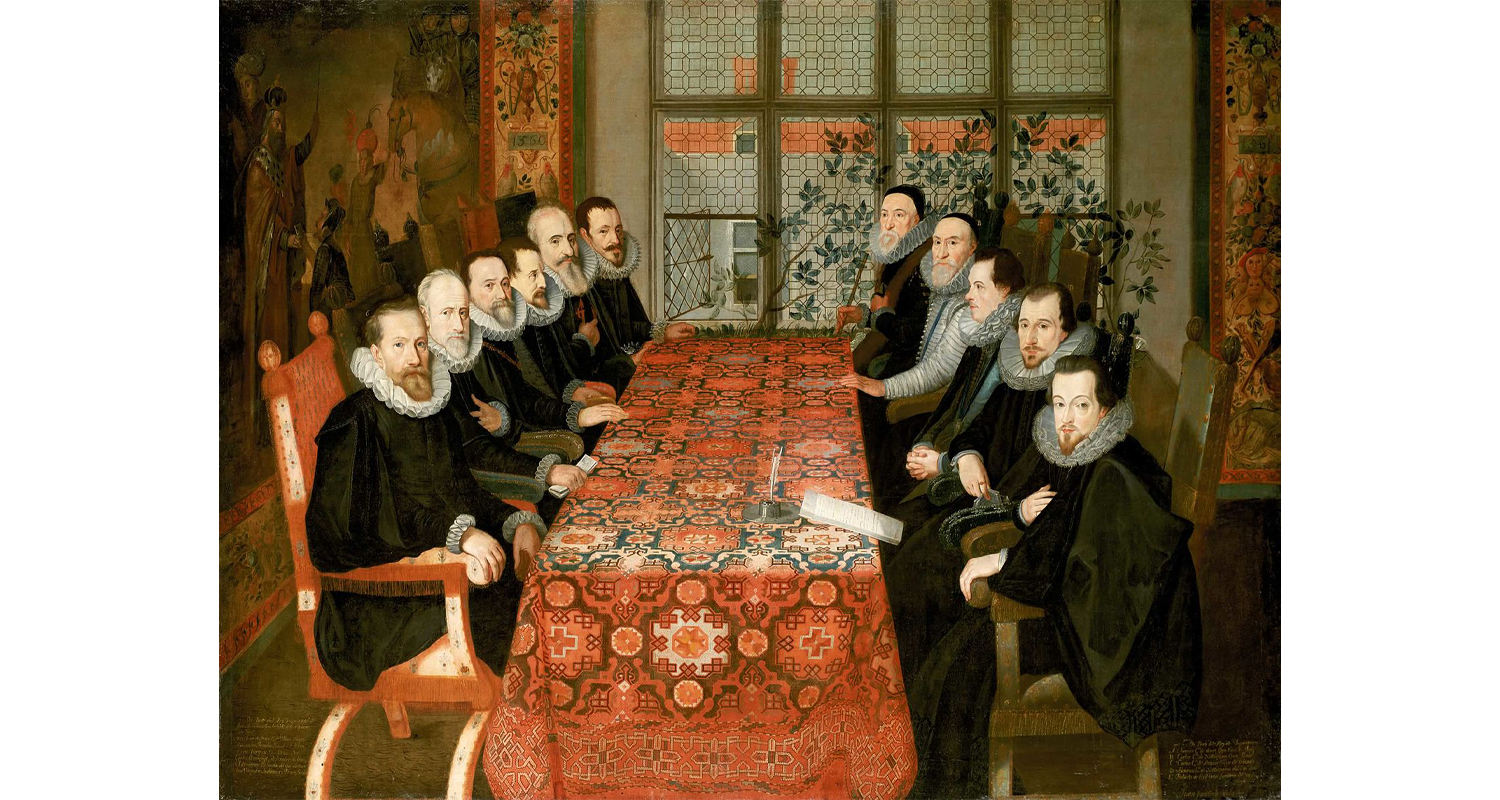
In Europe, Persian carpets were not merely floor coverings; they were displayed prominently on special occasions. In Renaissance Venice, carpets were hung from balconies overlooking Piazza San Marco during civic celebrations, creating a rich spectacle of colour and pattern. In Dutch and Flemish paintings, Oriental carpets are draped over tables or furniture to signify wealth and status, while religious and state ceremonies depicted rulers standing on sumptuous carpets. These displays illustrate how Persian rugs became part of European visual culture.
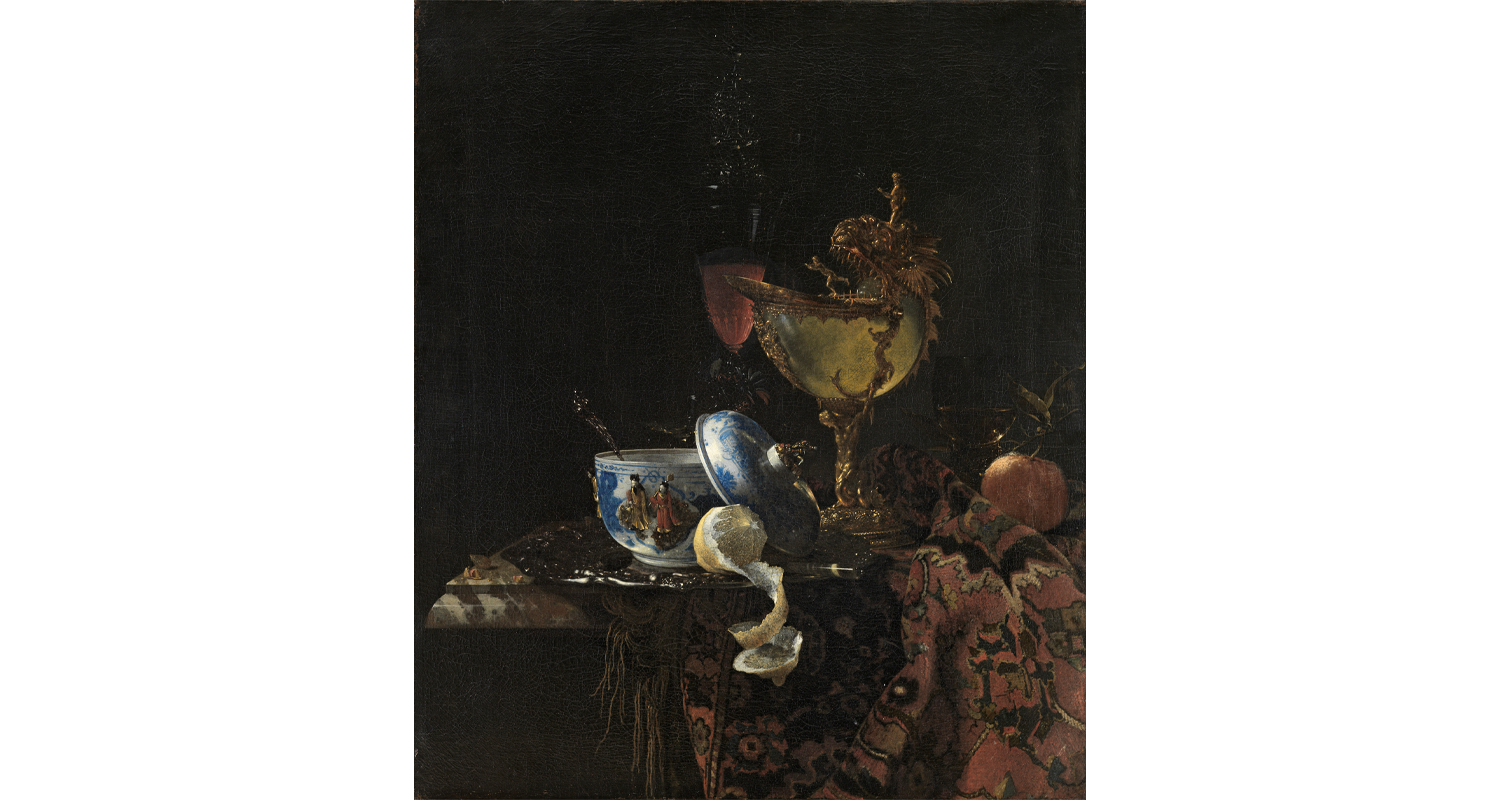
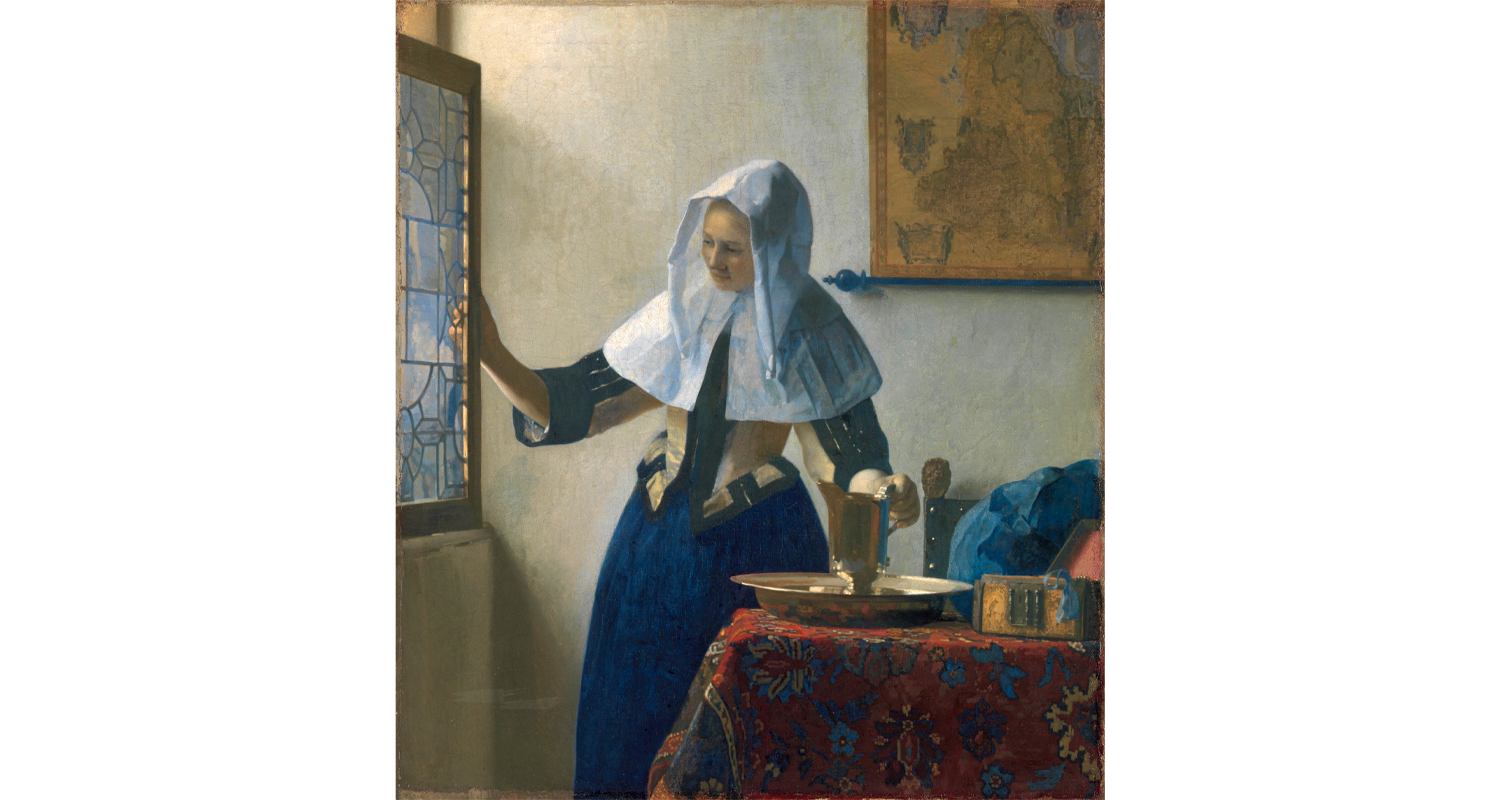
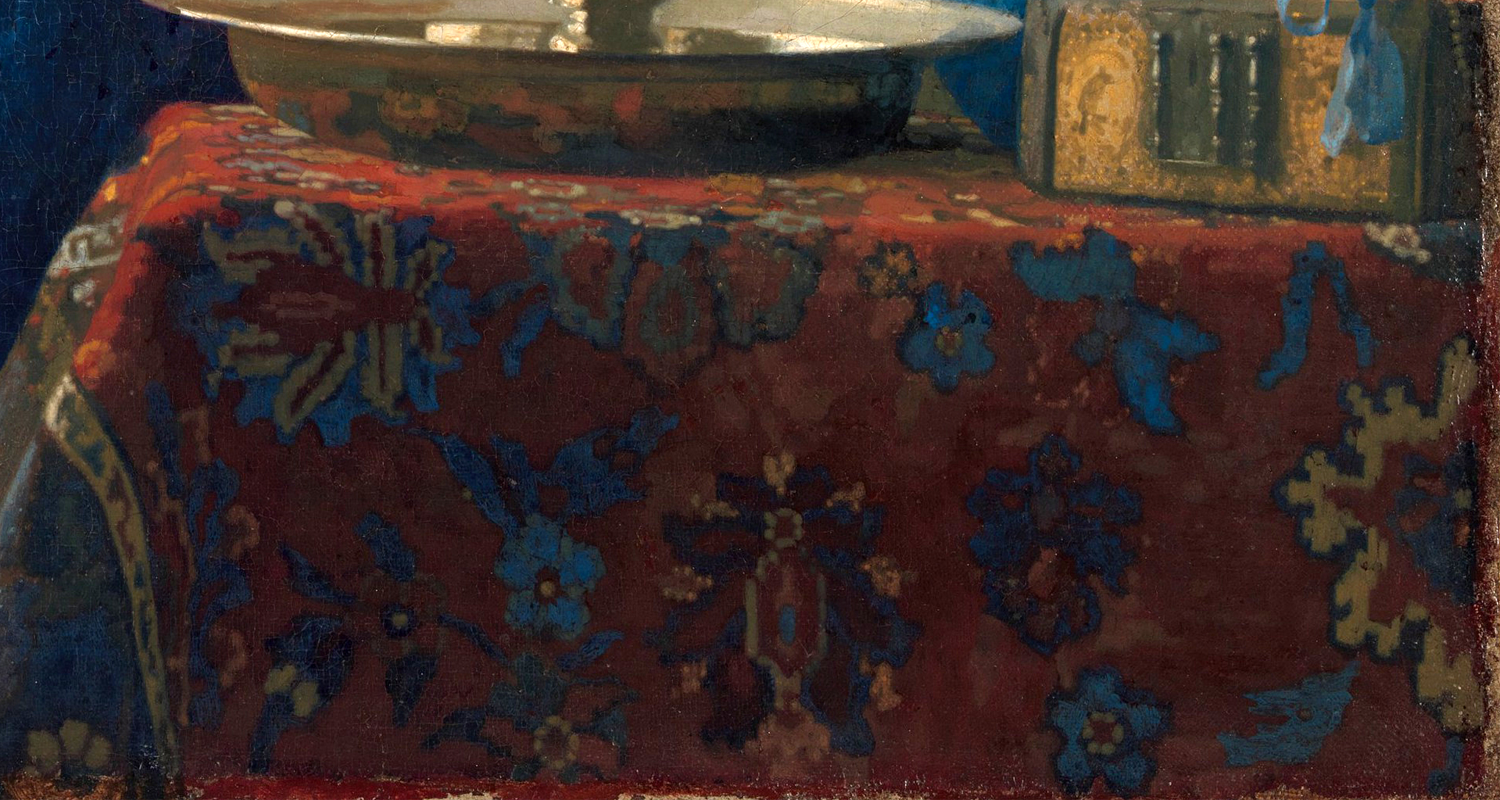
Persian rugs were also prized for their aesthetics in Western art. Dutch still‑life painters such as Willem Kalf and Jan Davidsz de Heem often included imported carpets among their assemblages of Chinese porcelain, silverware and exotic fruit. Kalf’s Still Life with a Chinese Bowl, Nautilus Cup and Other Objects (1662) features a Chinese Ming bowl, an ornate nautilus cup and the corner of a Persian carpet whose rich red pile spills over the table; The museum that holds the painting notes that these luxurious objects, including the Persian carpet, were motifs Kalf used repeatedly to showcase the play of light on different textures. Similarly, Vermeer’s Young Woman with a Water Pitcher uses a thickly textured Persian carpet with floral motifs on a red ground as a table covering; the carpet’s deep colours and intricate patterns counterbalance the austerity of the domestic interior, emphasising the quiet luxury of everyday life.
“Few art forms are surrounded with the aura of mystique that is associated with Oriental rugs. The entire subject has become romanticized to the extent that those interested in Oriental rugs have a great deal of difficulty separating fact from fancy.”
Janice Summers
Ebb and Flow: Carpets After the Safavids
After the Safavid era, the status of Persian rugs fluctuated with political and economic changes. During the Qajar period (1789–1925), the carpet industry underwent dramatic reorganisation. Both the number of looms and the volume of exports increased substantially between the 1870s and World War I, yet production remained rooted in a mosaic of regional centres such as Kermān, Borūjerd, Isfahan, Azerbaijan, Kurdistan and Kashan, each producing distinctive weaves and patterns. Local designs and colour palettes persisted even after the introduction of Western decorative themes, machine-spun yarns and synthetic dyes. The persistence of regional styles meant that Persian carpets retained a strong sense of place even as they evolved to meet new tastes.
By the late 19th century, firms such as Ziegler & Co. in Sultanabad (modern Arak) connected Iranian workshops to international markets. They collaborated with local weavers while introducing new palettes – softer tones like ivory, rose and light blue – to complement Victorian interiors abroad. Yet these changes still reflected Iran’s handwoven tradition rather than industrial imitation- the mass production of machine-made carpets in Europe, particularly in England and Belgium, that sought to mimic Persian designs without their craftsmanship or cultural depth.
During the Pahlavi period (1925–1979), the state promoted the carpet industry as a national symbol. Weaving schools and exhibitions helped standardise quality and preserve traditional techniques. Carpets were showcased at international fairs, reinforcing Iran’s image as the homeland of fine weaving. Innovation coexisted with continuity: nomadic tribes such as the Qashqai and Bakhtiari kept geometric patterns alive, while urban workshops experimented with new motifs reflecting national identity.
Industrial Expansion and Modern Tastes
As Persian carpets gained greater visibility abroad from the late 19th century onward, Western markets began to shape modern taste. Expanding trade routes and rising middle classes in Europe and America sent demand soaring. Foreign companies established buying offices in Iranian cities and commissioned pieces specifically for export, modifying colours and patterns to appeal to Western consumers. Examples include American Sarouk (or Sarough) carpets, famous for their flower bouquets on raspberry-red fields, and oversize rugs woven to fit grand Victorian and Edwardian homes.
Demand peaked during the Art Deco era of the 1920s and 1930s, when Persian rugs became essential features in stylish interiors. Their bold motifs and vibrant tones complemented the streamlined elegance of Art Deco furniture and architecture, creating a striking synthesis of tradition and modernity.
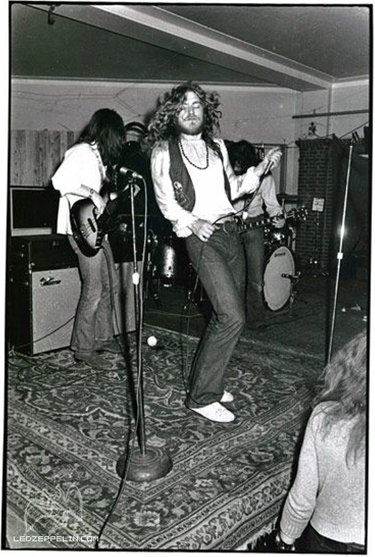
By the mid-20th century, the United States had become one of the largest markets for Persian rugs. The Bohemian and hippie movements of the 1960s and 1970s revived interest in handmade and nomadic art, celebrating the authenticity and irregular beauty of tribal weaving. Nomadic tribes such as the Qashqai and Bakhtiari spun wool from their own flocks and wove without design templates (aka carpet map), making each carpet unique. Originally created for everyday use – as floor coverings, bedding rolls or saddle bags – these rugs carried mythic symbols and stylised forms inspired by memory and nature. Their organic colours and spontaneity appealed to Western buyers seeking individuality and meaning.
From the late 1970s onward, the Persian carpet industry has weathered periods of upheaval, from political change and sanctions to shifting global markets and industrial imitation. Yet even through these challenges, Persian rugs have continued to evolve as symbols of both heritage and contemporary design. In recent decades, Iranian artists and designers have reinterpreted classical motifs in abstract and minimalist forms for a global audience. Meanwhile, mass-produced copies from China, India and Pakistan have flooded markets, making authenticity ever more valuable. Despite these transformations, Persian carpets remain unrivalled in their craftsmanship and cultural depth, continuing to fascinate the world with their beauty and human story.
The Language of Persian Carpets: Motifs, Colours and Meaning
Across centuries and regions, Persian rug design reveals a rich vocabulary of motifs and colours that communicate cultural values as much as they please the eye. Many classical carpets are built around a central medallion flanked by corner spandrels, a format derived from book covers and architectural decoration and seen in examples from the Safavid court. Surrounding the medallion is often a dense field of spiralling vines, palmettes and cloud‑bands, inspired by Chinese decorative arts and Persian manuscript illumination. Other carpets discard the medallion altogether in favour of all‑over lattices of blossom‑laden vines or stylised flowers, reflecting cross‑cultural influences from Sasanian and Chinese motifs.
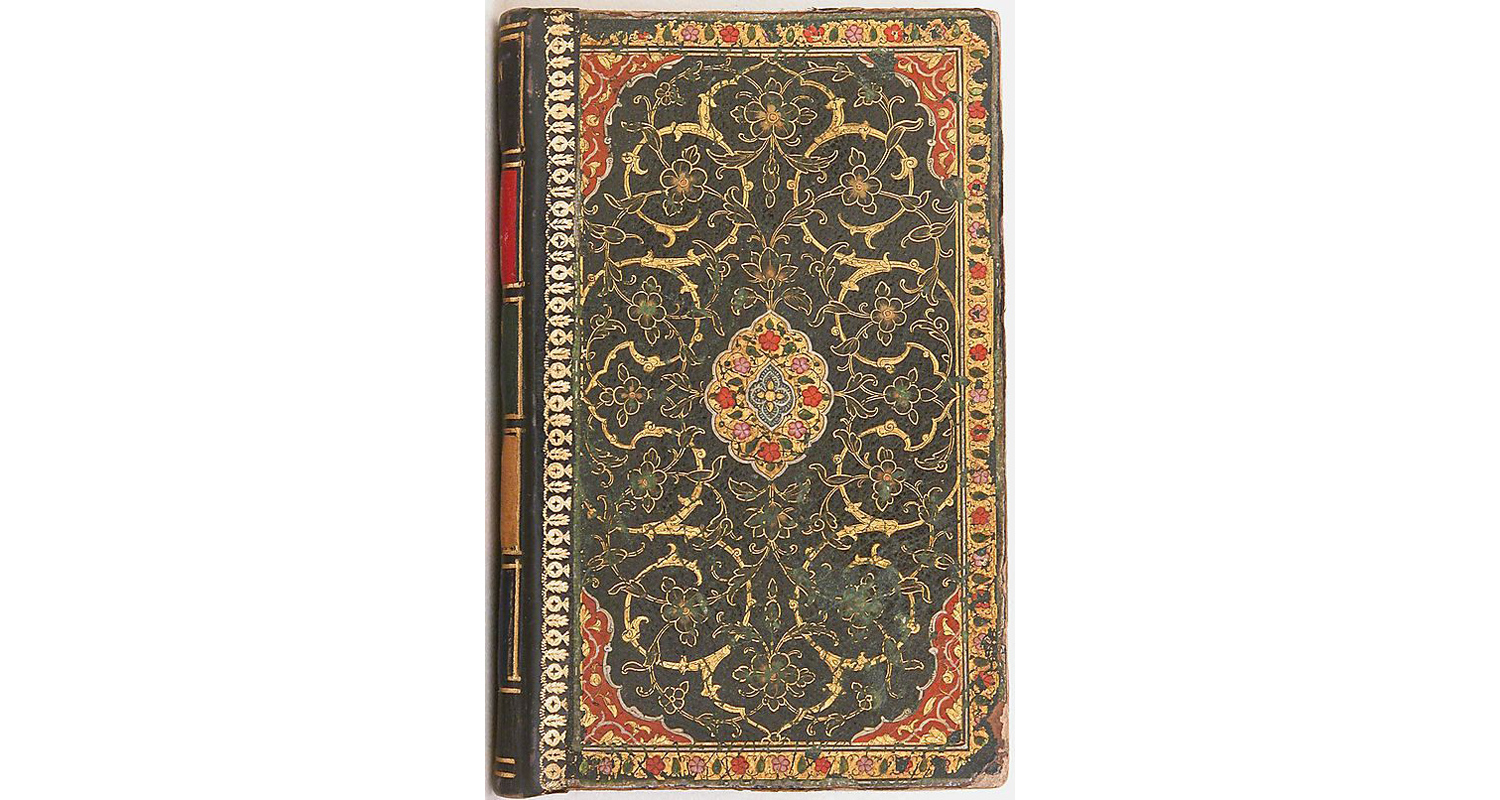
In some designs, imagery serves a narrative purpose: garden carpets lay out channels and pavilions to evoke the walled paradises of Persian poetry, while hunting scene carpets populate their fields with horsemen, deer and mythical creatures to illustrate the eternal contest between virtue and vice. The borders and minor guards often incorporate scrolling calligraphy or poetry praising rulers, or feature continuous arabesques symbolising eternity. Colour choices derive from natural dyes, madder root for reds, indigo for blues, pomegranate and weld for yellows, which create subtle variations (known as abrash) and lend the carpets a living quality as they age. Even animals have layered meanings: peacocks symbolise immortality, dragons and phoenixes represent power and rebirth, and deer evoke gentleness and grace. Through this blend of pattern, colour and symbolism, Persian rugs convey moral and cosmological ideas while remaining highly decorative.
Everlasting Charm of Persian Carpets
Durable enough to be passed down through generations and beautiful enough to serve as diplomatic gifts, Persian rugs have travelled from workshops and nomadic tents to royal courts and modern homes. Their allure stems from more than technical mastery, but from the weavers’ ability to fuse design, colour and meaning to create objects that are simultaneously works of art and repositories of cultural memory. Whether displayed in a European palace or a contemporary living room, these rugs invite contemplation of paradise, power, daily life and the interconnected histories of East and West. This combination of craftsmanship, symbolism and lasting beauty is why Persian rugs are still regarded as the finest rugs ever made and why they continue to fascinate, inspire and weave connections across cultures and centuries. In a rapidly changing world, Persian carpets remain silent witnesses to beauty, patience, and the enduring art of human hands.