
City Precision, Village Charm, Nomadic Spirit: The Diversity of Persian Rugs
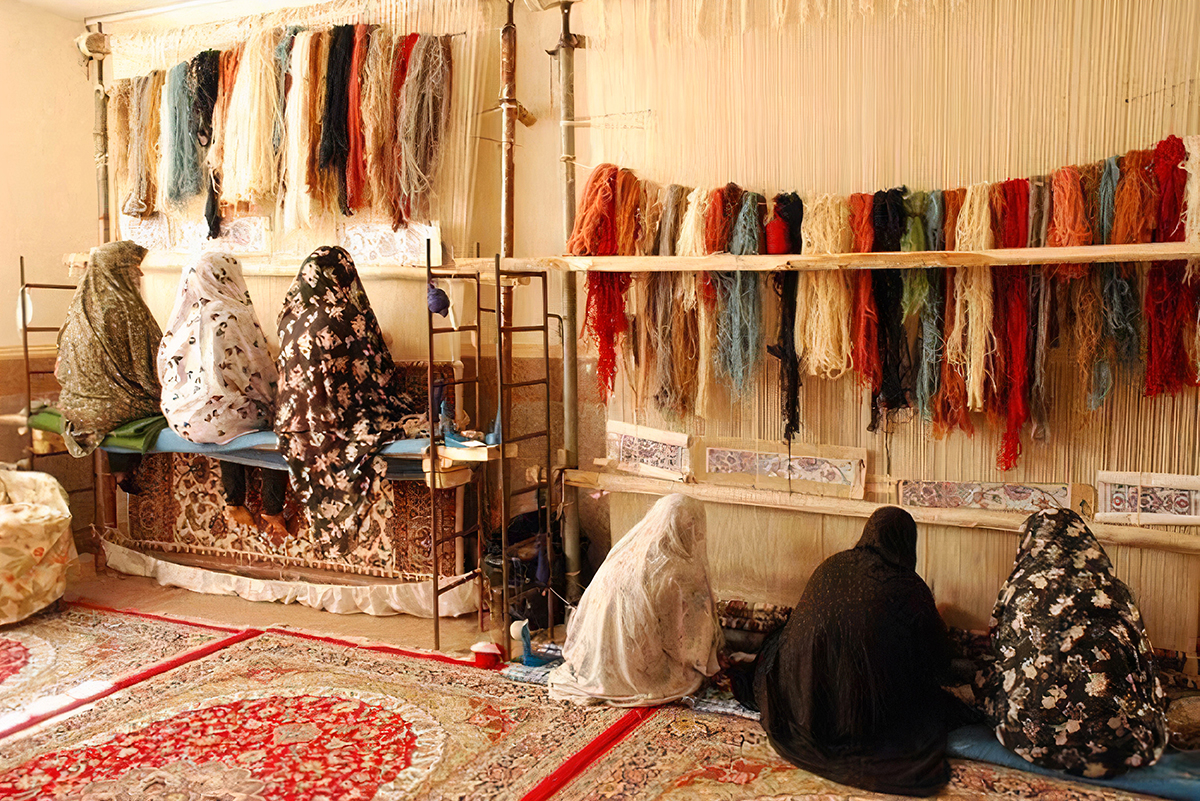
If you’ve ever wandered through a Persian rug shop, or even admired one online, you’ll know these aren’t just ordinary floor coverings. The wide range of types of Persian rugs reflects centuries of craftsmanship and regional identity. Persian carpets are something else entirely. They’re woven stories, full of life, culture and deep-rooted tradition.
Across Iran, every region has its own way of weaving. It’s fascinating: two villages just a few kilometres apart might create rugs with completely different patterns, colours and techniques.This rich variety has led to many ways of classifying Persian carpets: by design, size, material and more. Understanding the main types of Persian rugs helps buyers and collectors appreciate the stories woven into each piece.
But one of the most meaningful ways to look at them is through their weaving context: Urban, Rural and Nomadic.
This way of understanding rugs gives you more than just a style guide, it reveals the lifestyle, history, and artistry behind each piece. Let’s take a closer look.
Types of Persian Rugs: Urban Styles Where Precision Meets Grandeur
Urban rugs are the most refined type of Persian carpet, woven in city workshops with all the advantages that come with it: skilled designers, access to fine wool or silk, larger looms, and the ability to plan out complex, intricate patterns in advance. Among all Persian rugs, urban styles are especially prized for their precision, balance, and sophisticated artistry.
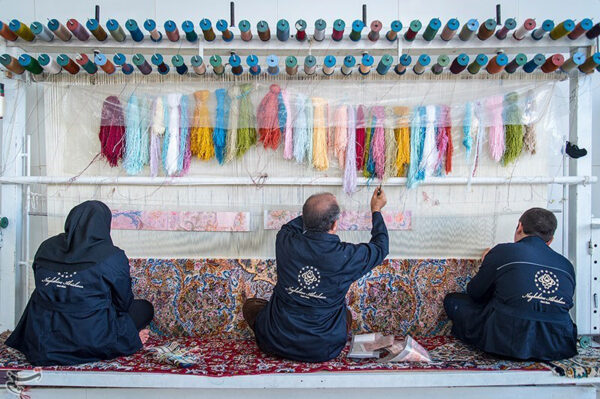
These rugs are all about precision and sophistication. They’re designed using a detailed carpet map, then woven with very high knot counts (sometimes astonishingly fine), creating smooth, curving motifs and well-balanced colour palettes. The dyes are carefully measured, the wool selected for consistency, and the craftsmanship speaks for itself.
The tradition of urban weaving flourished under the Safavid dynasty, when rulers invested in large-scale carpet production as a sign of prestige and cultural pride. Many of the most famous Persian rug centres trace their roots back to this time.
You’ll know an urban rug when you see names like Isfahan, Tabriz, Kerman, Qom and Kashan, each with its own distinct signature, but all sharing the same elevated level of detail and artistry.
Rural Rugs: Homegrown Beauty with Heart
Rural rugs are woven in village homes, often by women, often without a strict pattern, and almost always using local wool from the family’s own sheep. These rugs are deeply personal, shaped by the weaver’s taste, memories and regional influences.
Unlike city carpets, rural ones don’t always follow a plan. Some are improvised on the loom; others may loosely reference a design passed down through generations. The result? No two are ever exactly alike. Even when there’s a map involved, the weaver might tweak the colours or motifs as she goes, adding her own creative flair.
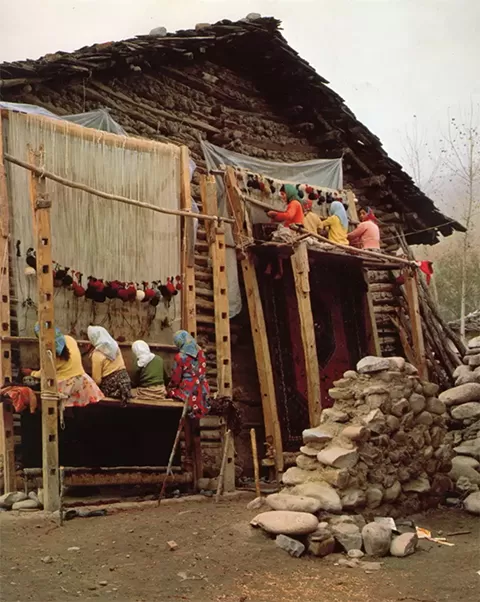
Rural rugs sit somewhere between urban and nomadic styles. They can feature complex patterns or lean into simpler geometric forms, but they always carry a strong sense of identity. They’re practical, expressive and often incredibly charming. Sarab, Qaraja and Bijar are well-known examples: villages where craft, community and tradition are rolled into one.
Nomadic Rugs: Woven on the Move
If rural rugs are rooted in place, nomadic rugs are made to travel. Woven by Iran’s nomadic groups as part of a mobile way of life, these rugs are practical, expressive and full of spirit.
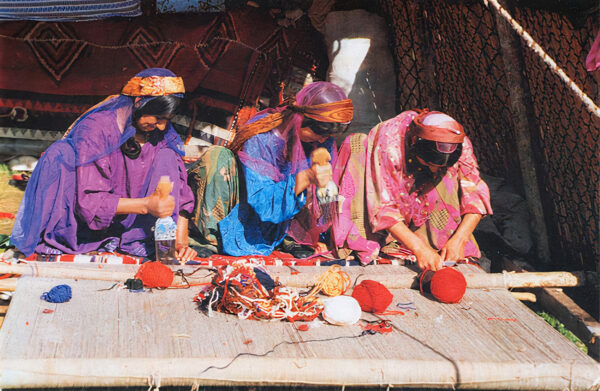
Nomadic weavers work on horizontal looms, which are easy to set up and pack down (usually outdoors or inside tents) but more challenging and complex to operate. The rugs are smaller and more portable, often used in the tent but also for trade. The wool? Spun by hand, straight from the flock. Dyes? Made from plants, insects, and minerals found in the local landscape.
Design-wise, nomadic rugs are all about bold geometry, repeating symbols, and stylised motifs drawn from myth, memory and the natural world. These rugs aren’t made with passing trends in mind. They’re made for life, and that’s part of their magic.
Nomads also weave other textiles they need for daily life: Mafrash (blanket box), salt pouches, Sofreh (bread cloths) and more, all decorated with the same symbolic language.
Nomadic tribes like the Qashqai, Bakhtiari, Afshar and Shahsavan have been weaving this way for generations, and their rugs reflect a strong, living connection to culture and country.
So, Which One Speaks to You?
Urban rugs impress with their technical brilliance. Rural rugs charm with their raw, grounded beauty. Nomadic rugs captivate with their symbolism and soul. Choosing between them comes down to what resonates with you.
Because at the end of the day, a Persian carpet isn’t just something to tie the room together. It’s a story told in wool and dye. A piece of someone’s life, woven by hand. Something that holds the weight of tradition but still feels right at home beneath your feet.
So next time you step onto a Persian rug, take a moment. Look closely. Beyond the colour and pattern, you’re standing on history, craft, and the heartbeats of countless weavers who told their story, one knot at a time.