
Free shipping for purchases over $200, For more information, visit Shipping & Handling
Free shipping for purchases over $200, For more information, visit Shipping & Handling
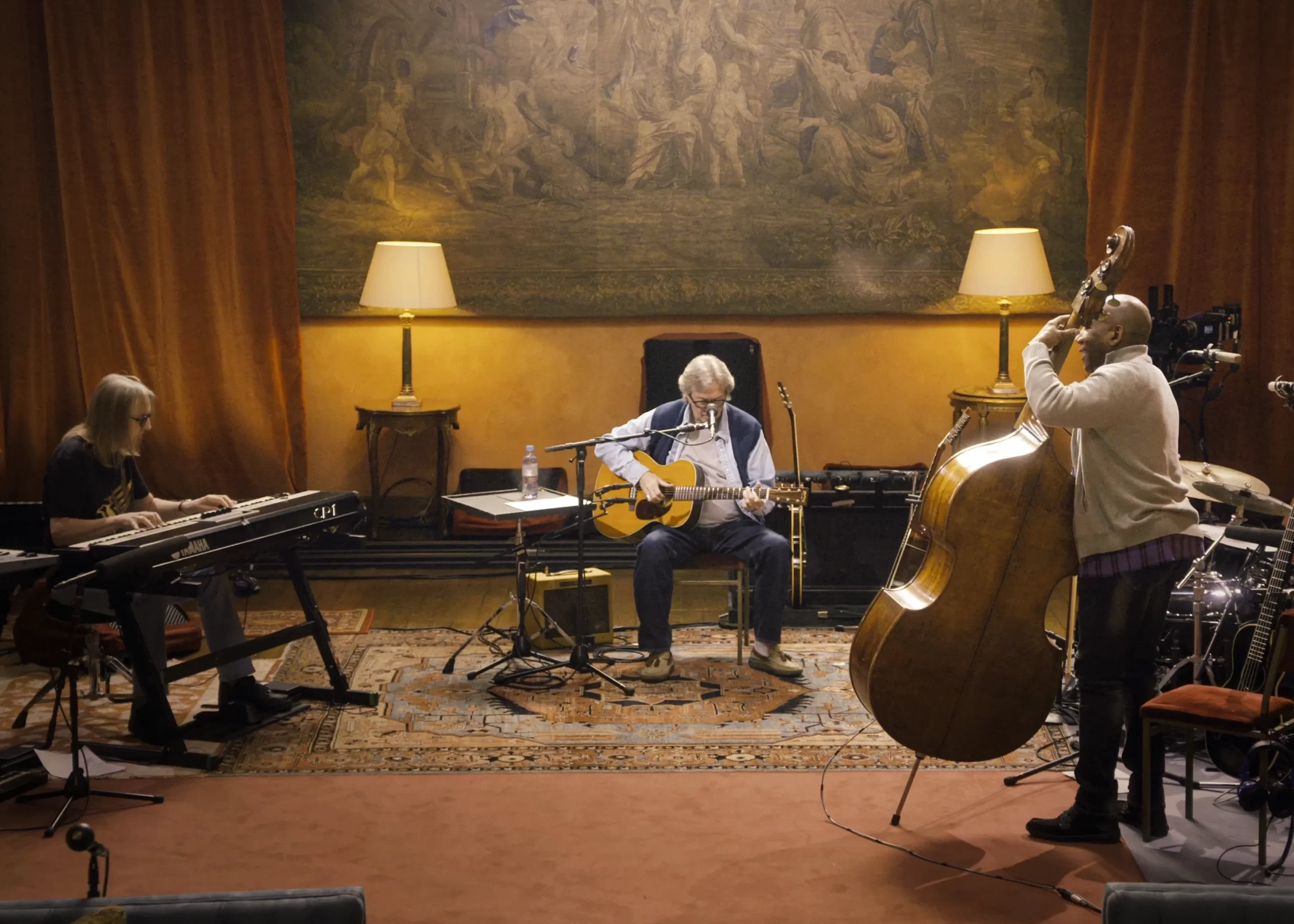
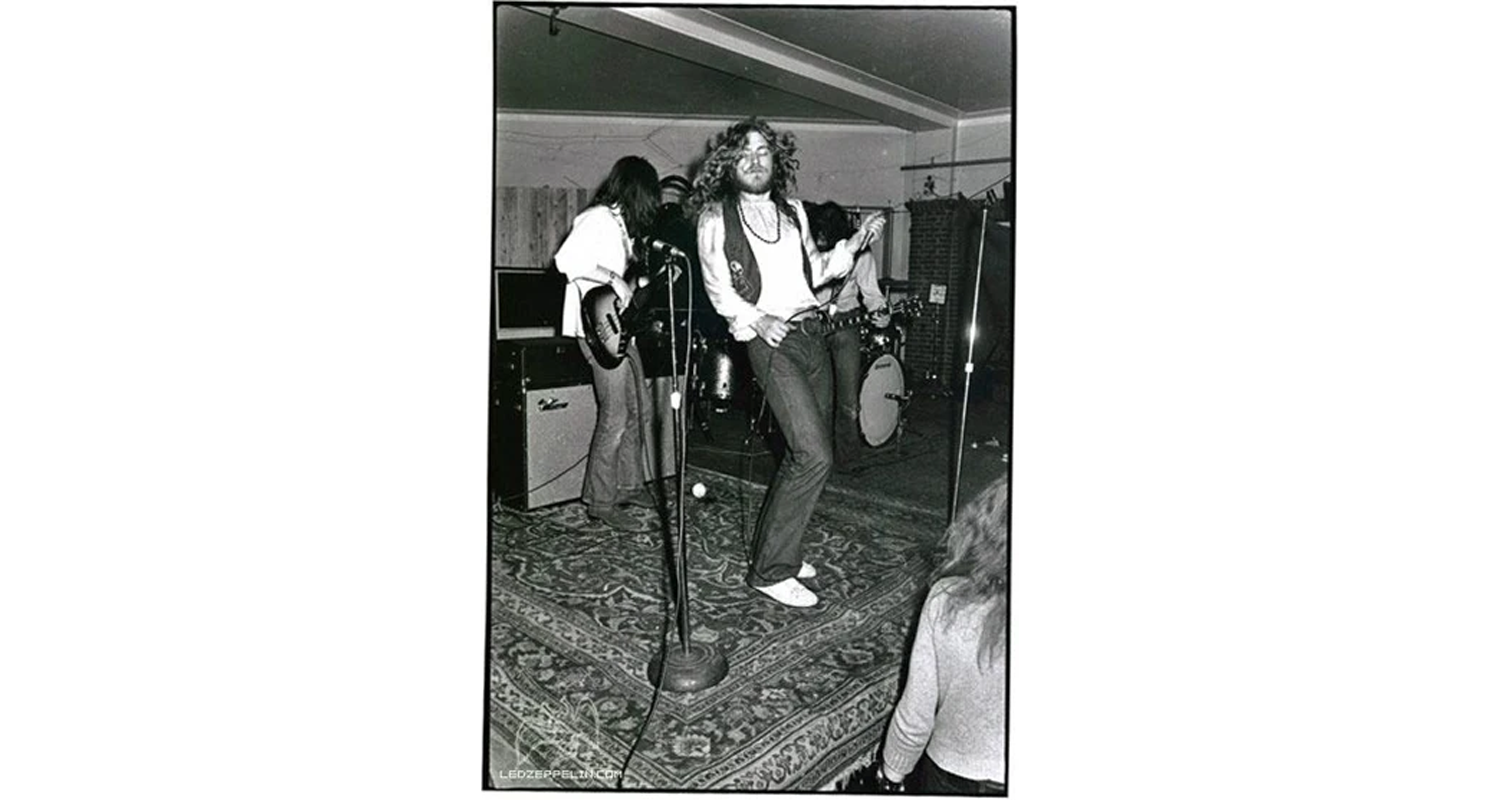
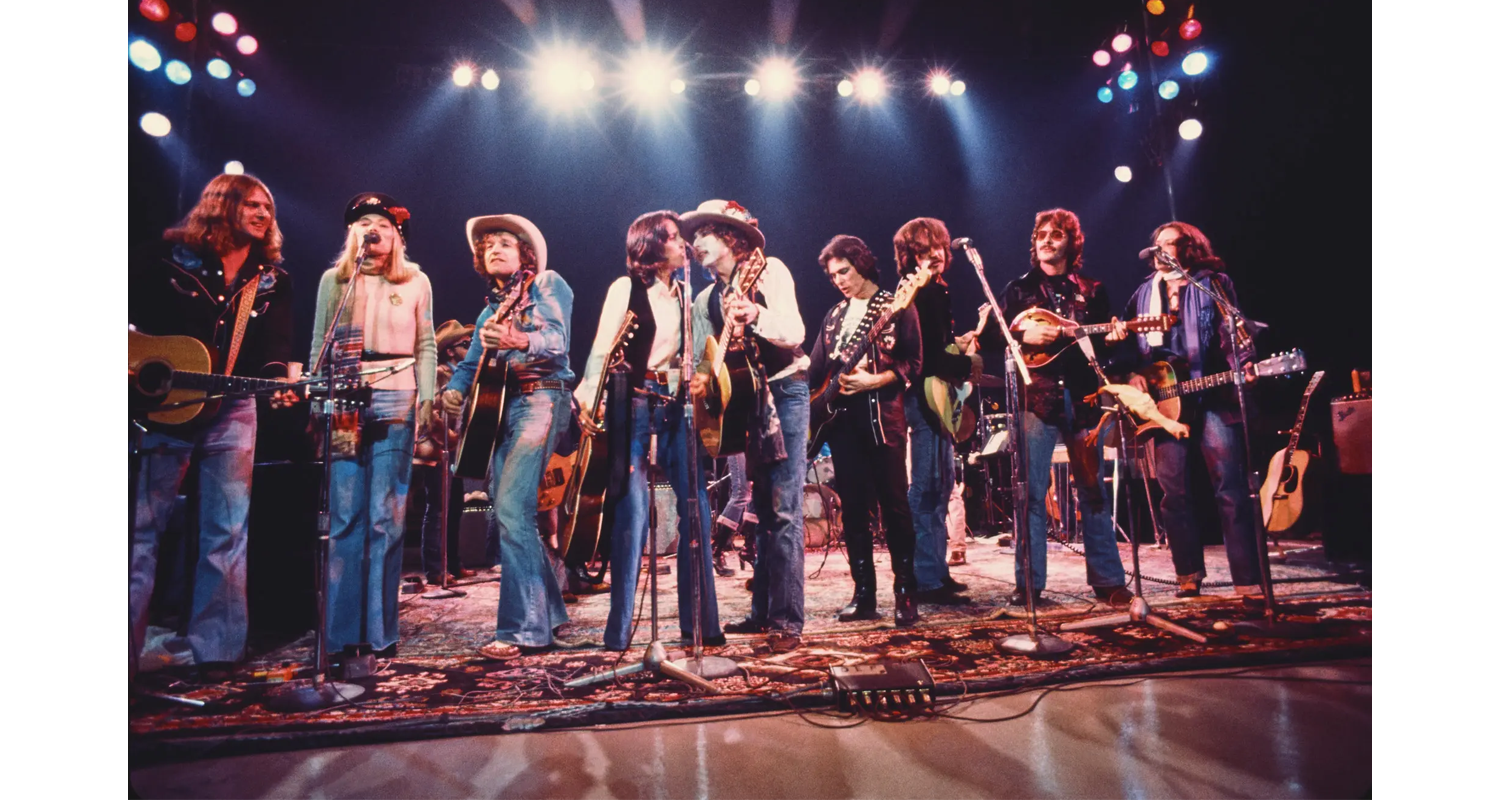
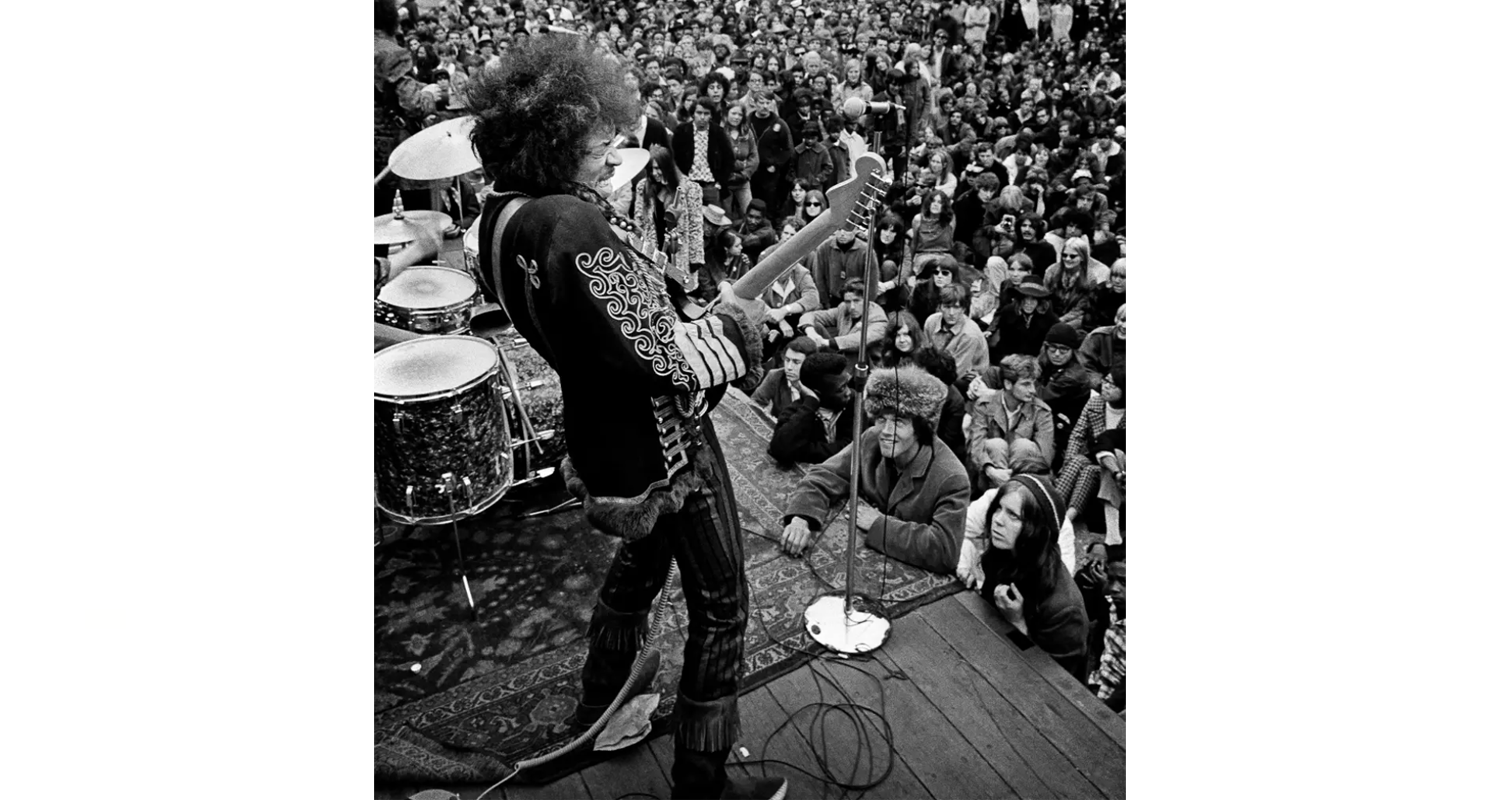
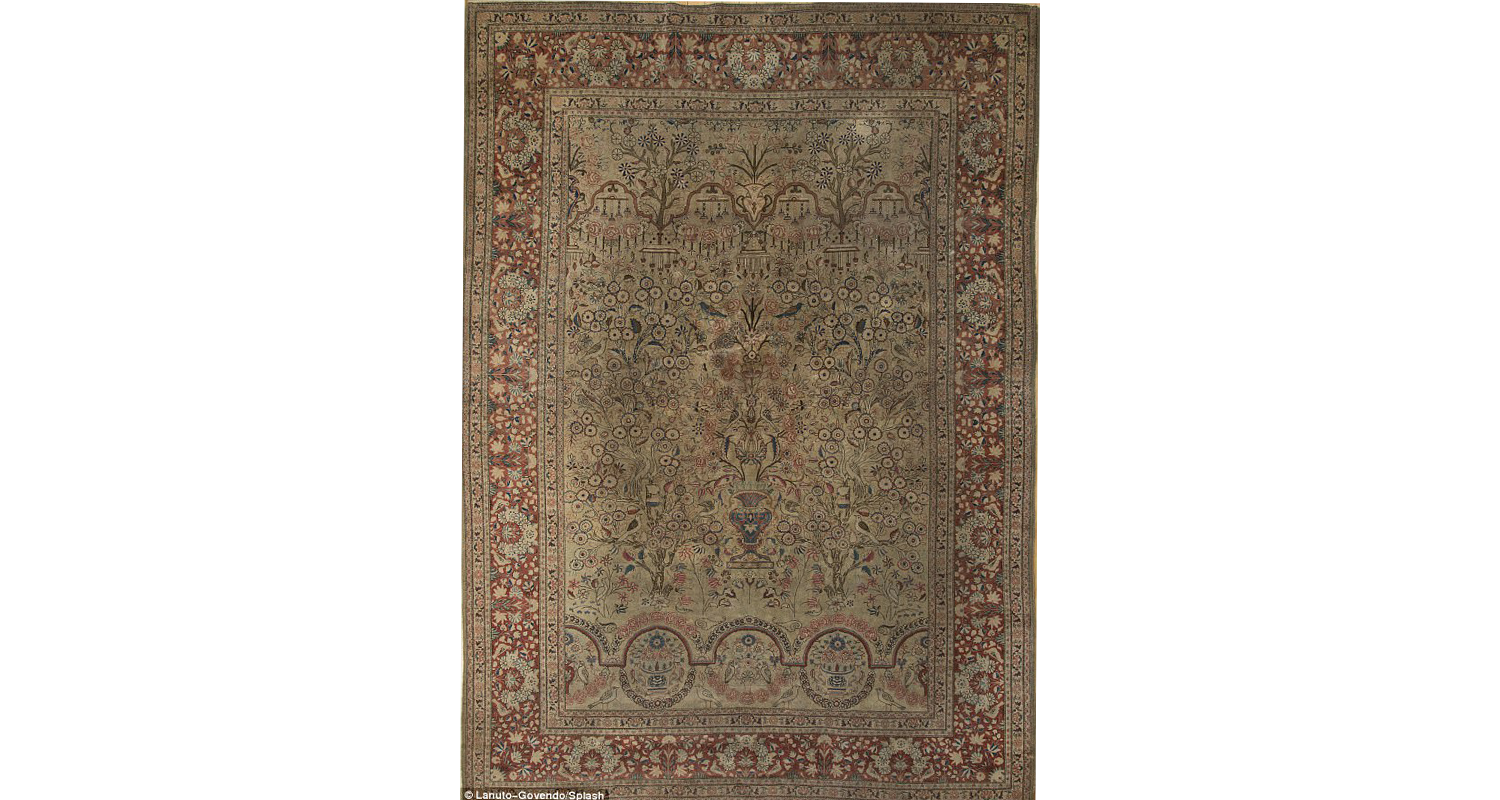
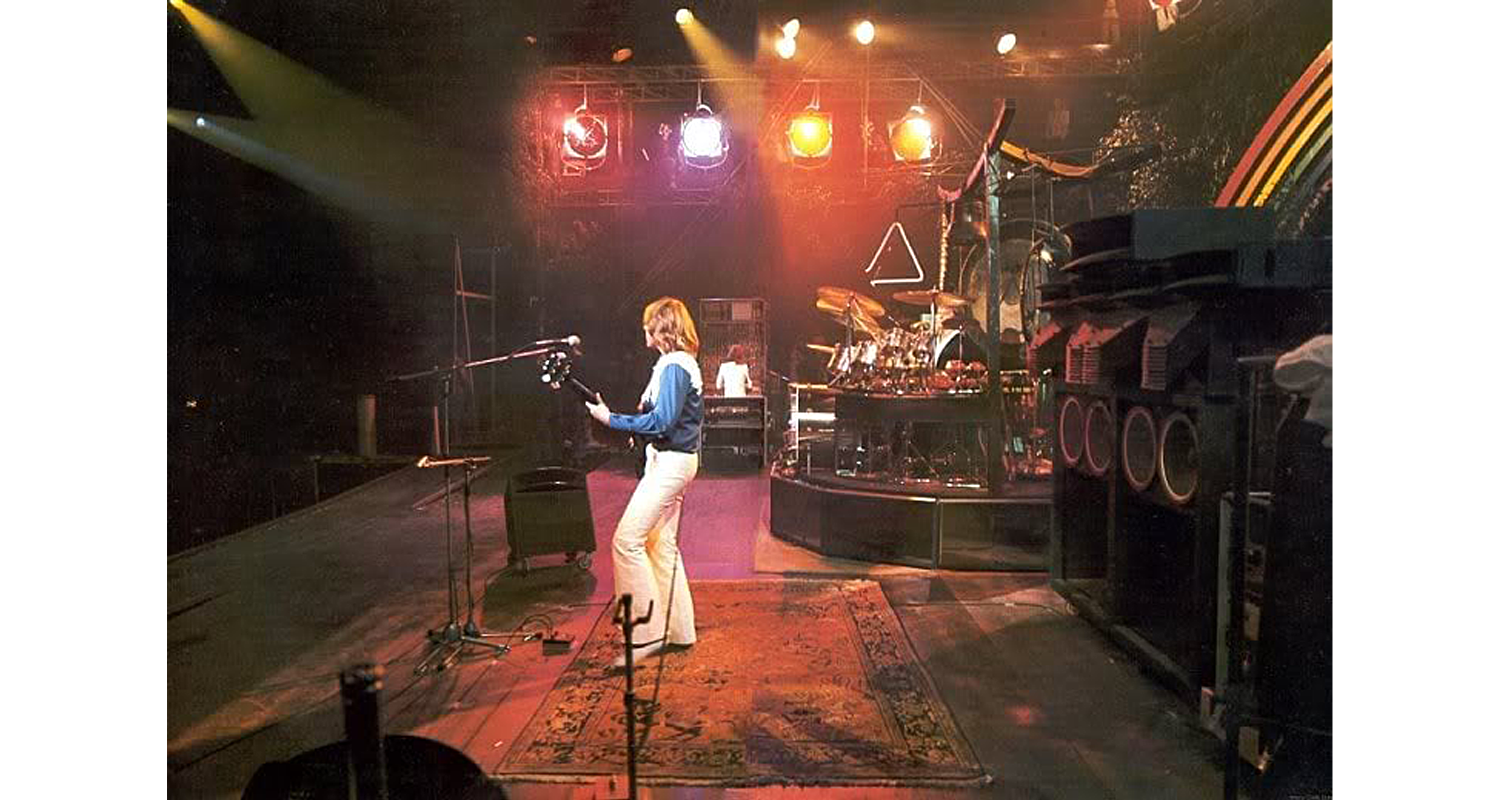
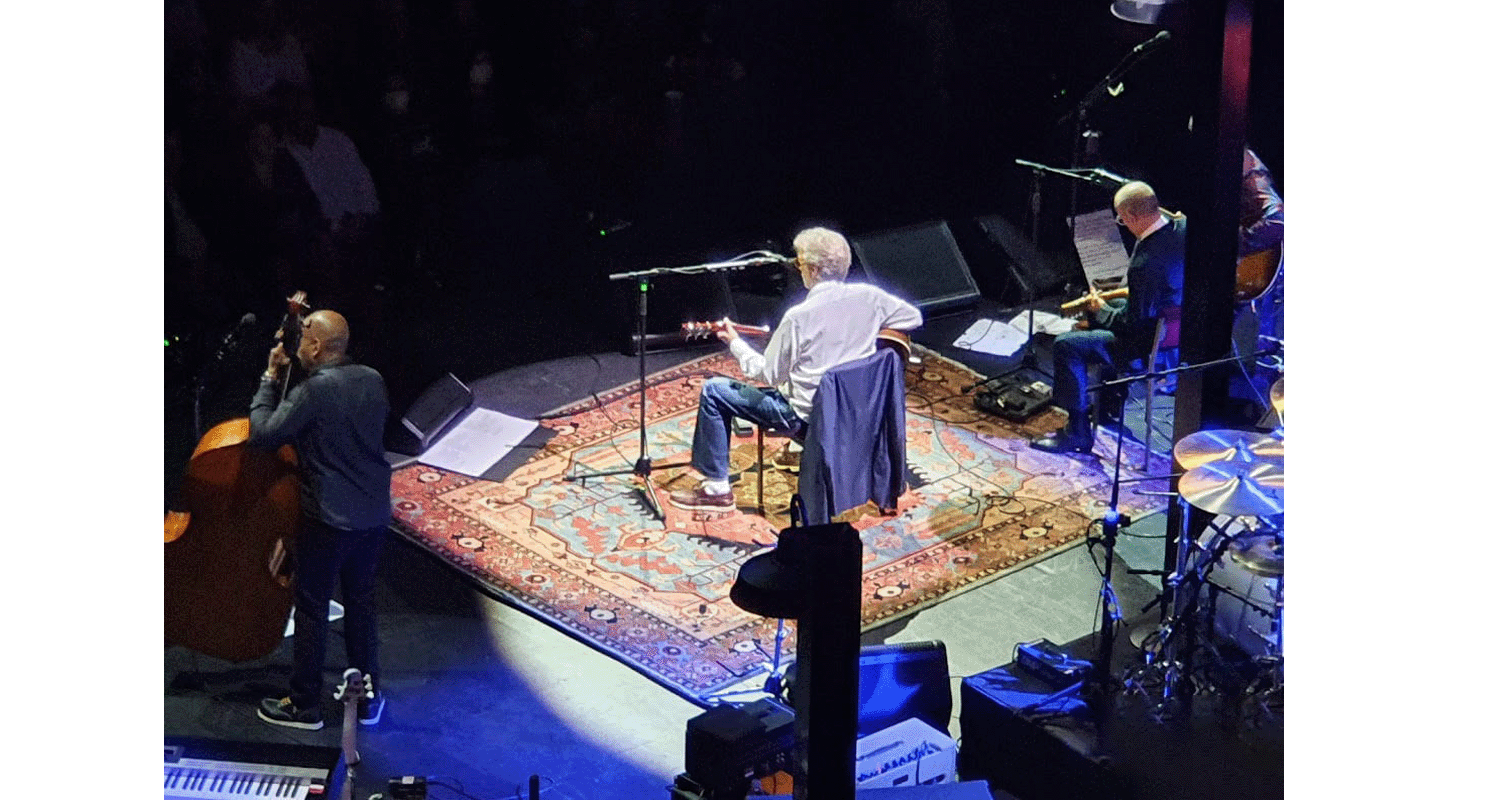
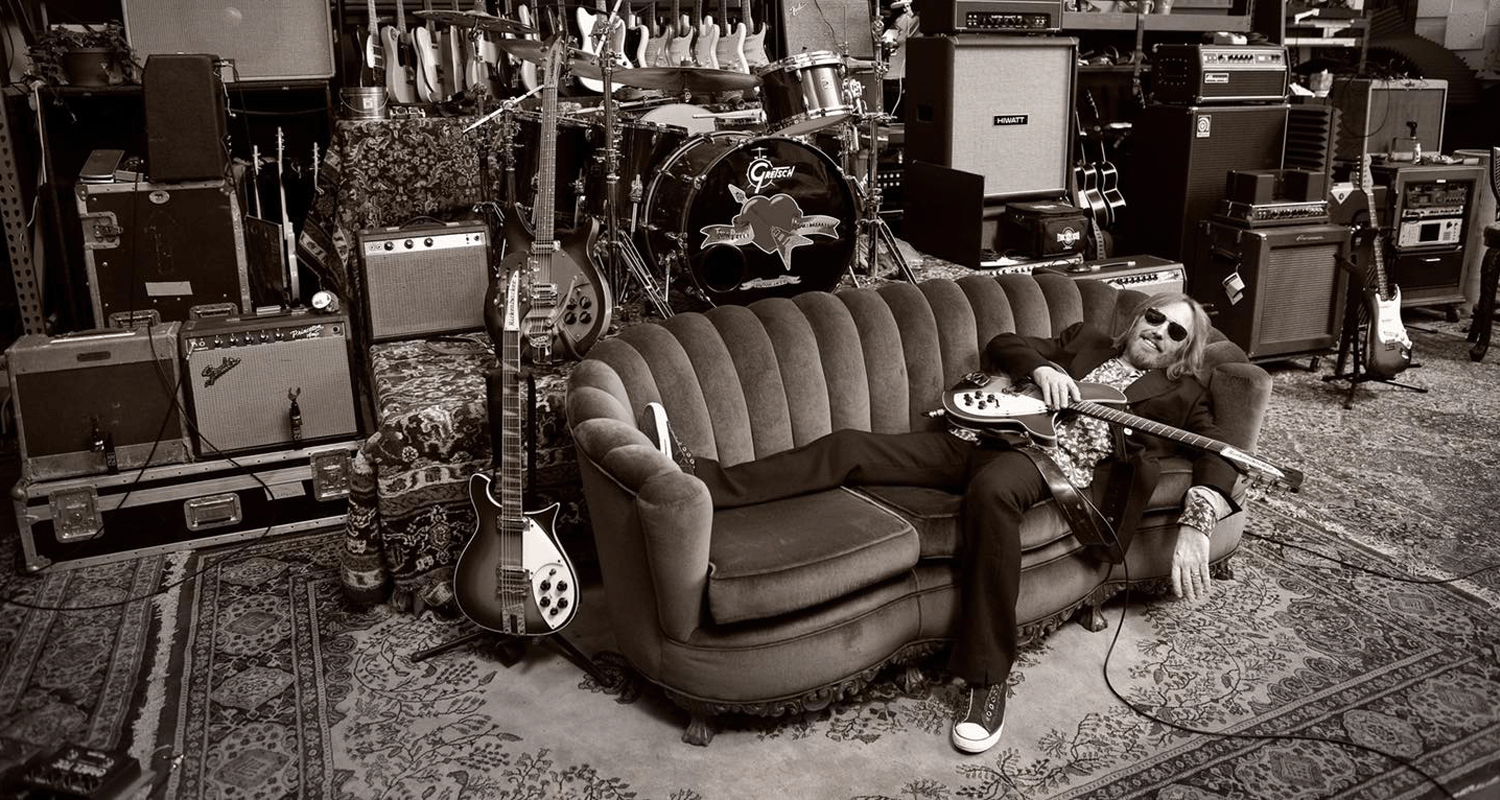
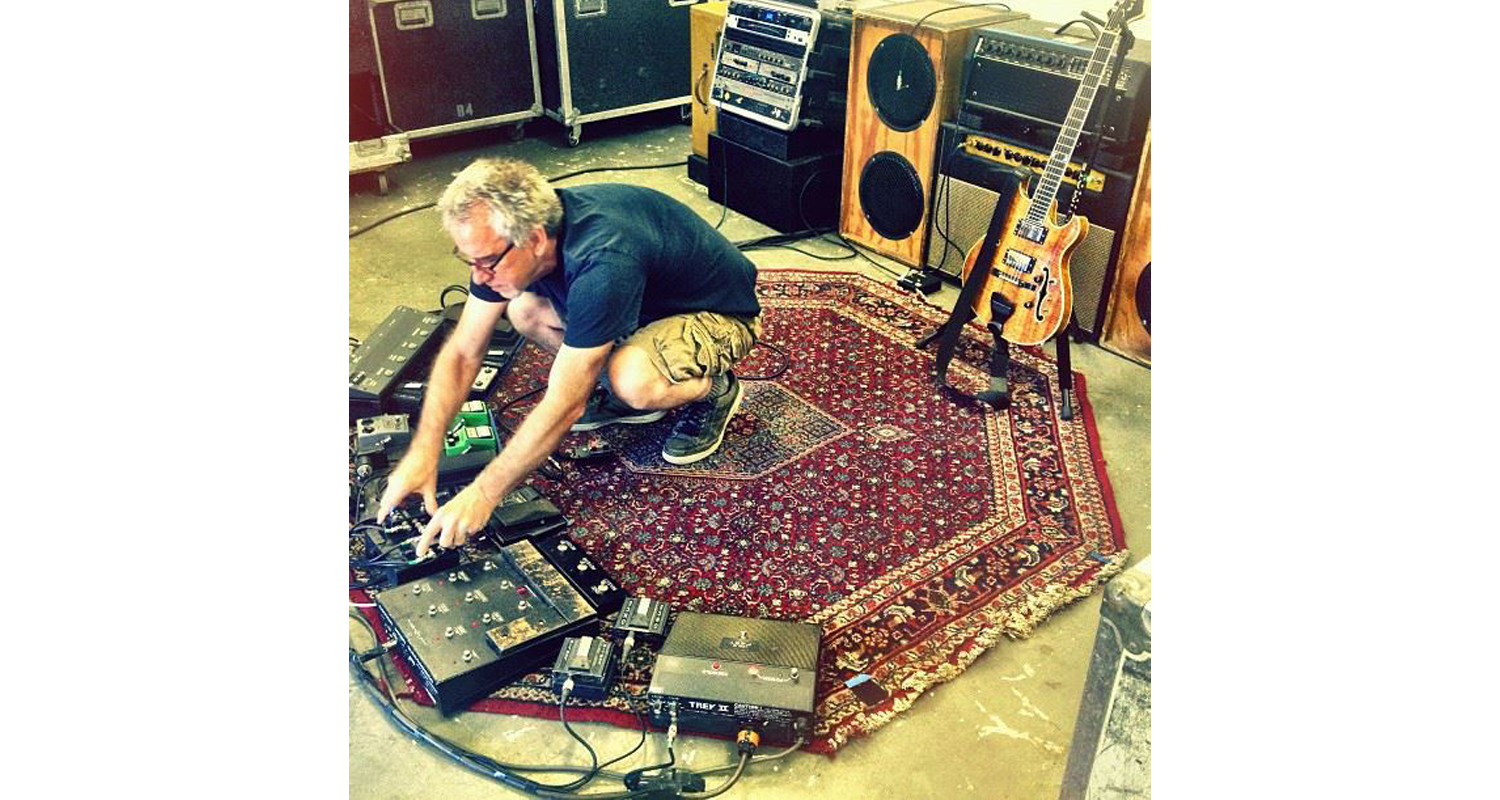
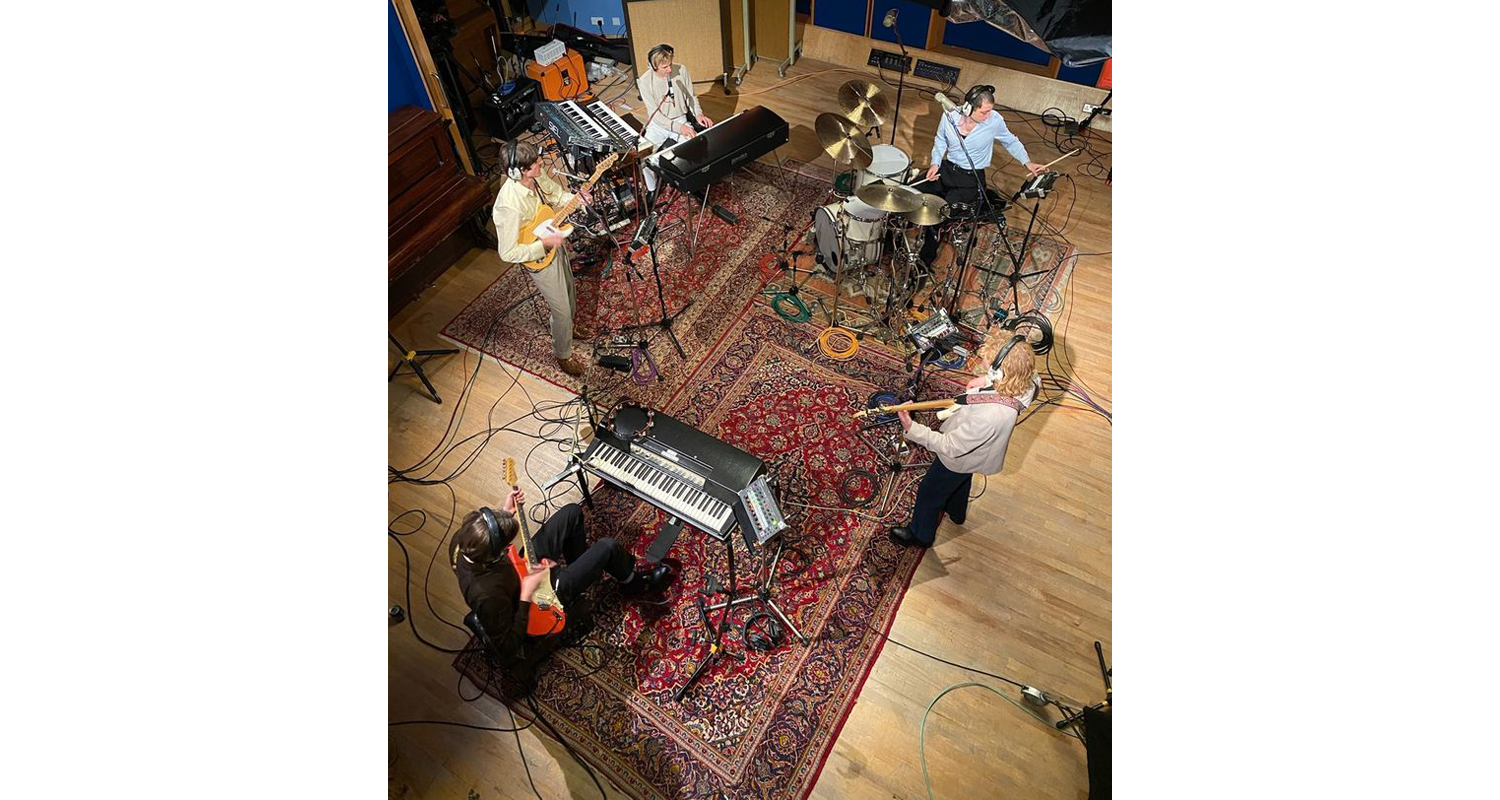
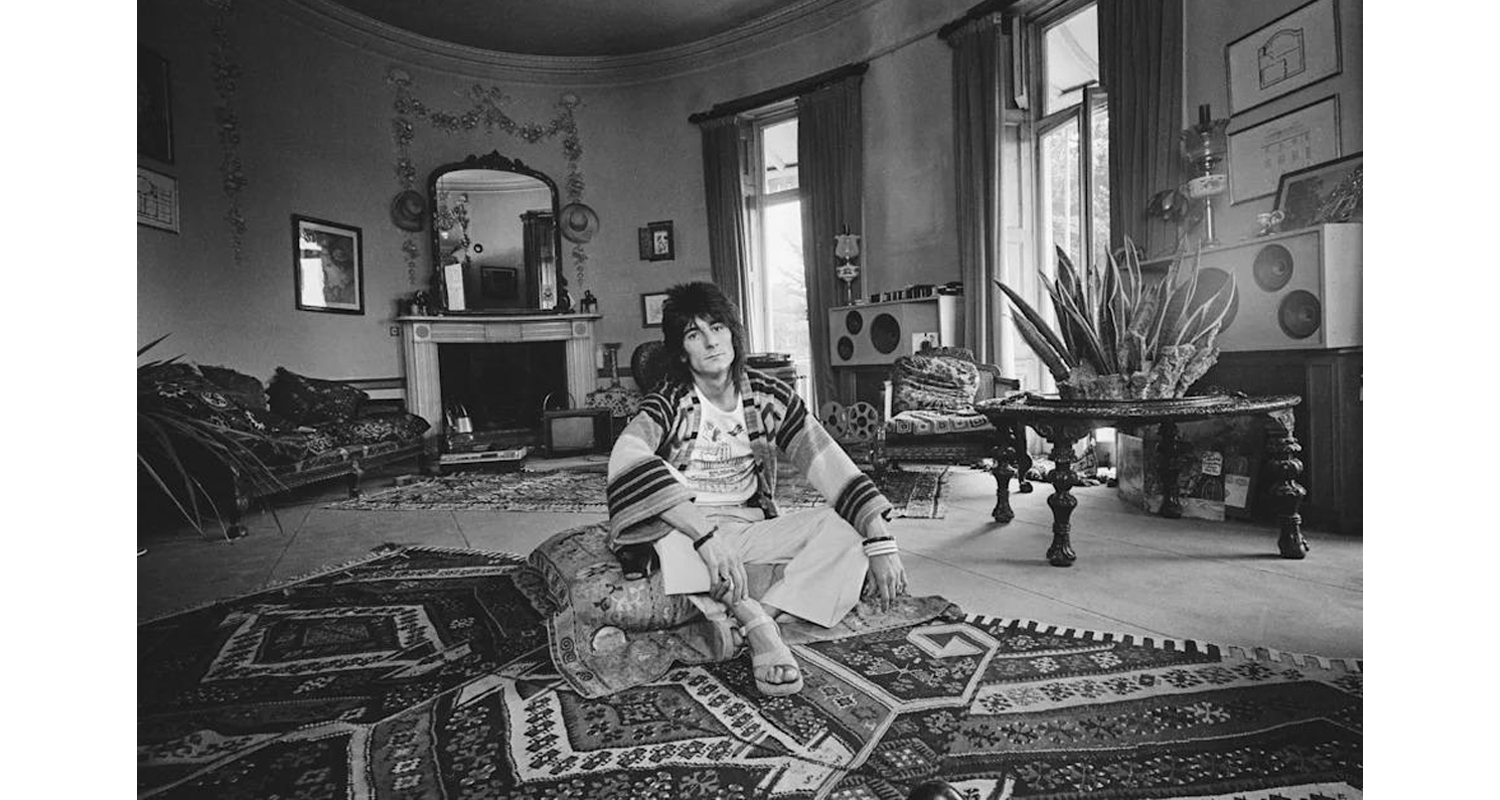
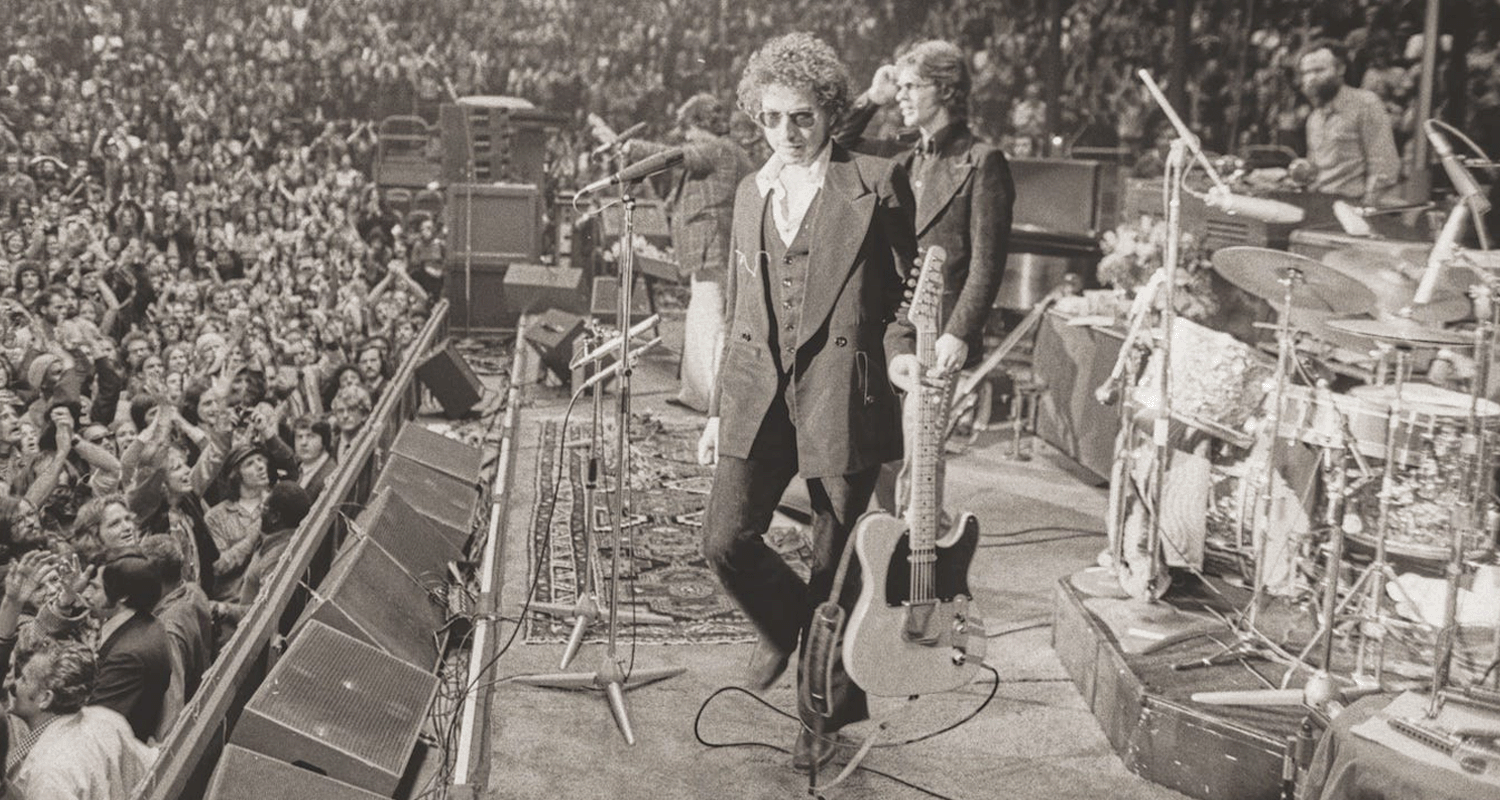
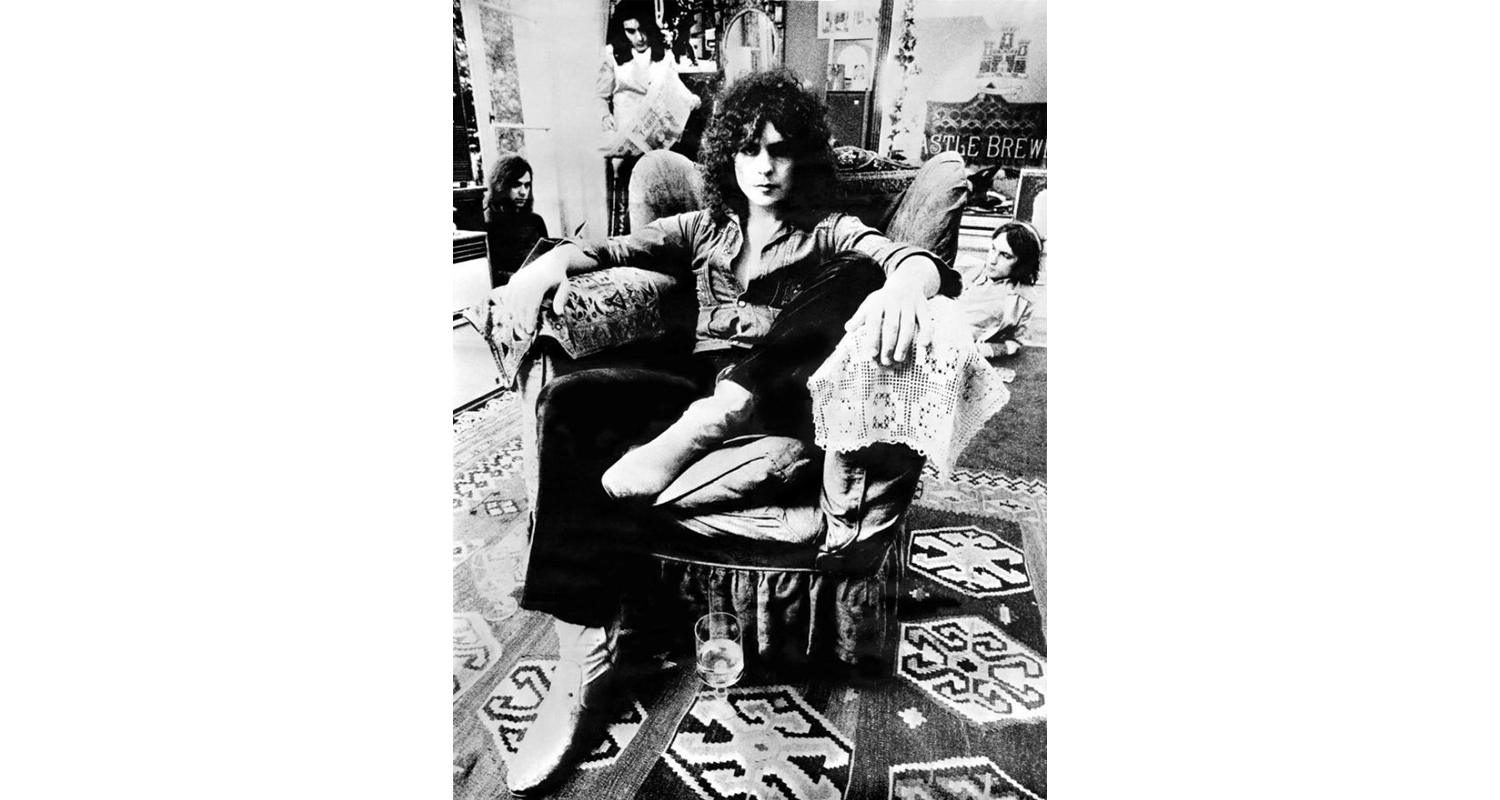
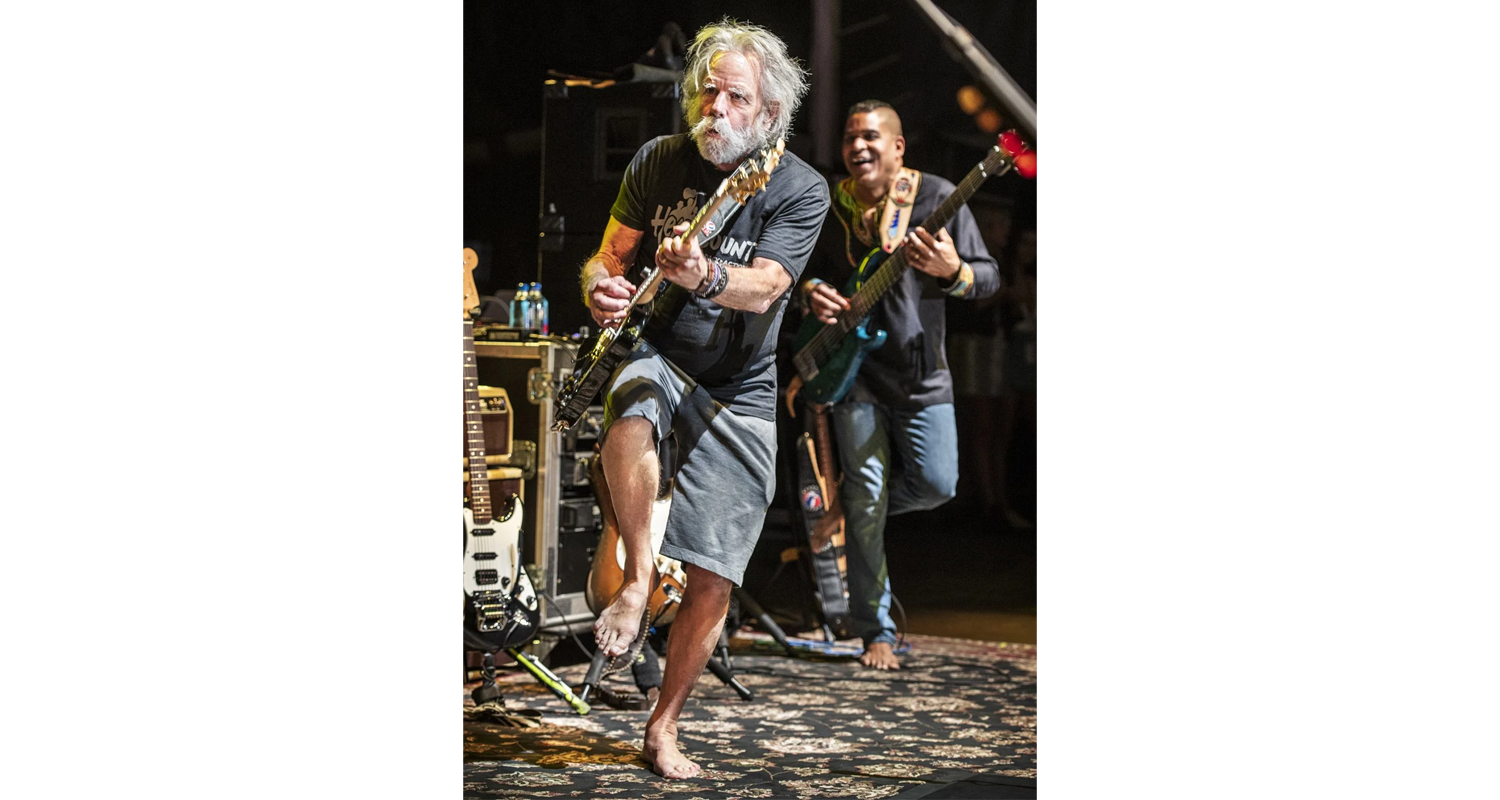
Among all the enduring mythologies of rock ‘n’ roll, the Persian rug is an unlikely hero. Look closely at photographs of legendary gigs, and you start to notice them, hiding in plain sight. Spread beneath the feet of band members, anchoring a pedalboard, or wedged between a stack of amplifiers and a drum kit.
It is an odd juxtaposition. Traditionally, a Persian rug belongs to an intimate space, a sitting room, a courtyard, a nomadic tent. A rock stage is the antithesis of that. Strip away the lighting and the smoke, and most venues are just dirty wooden loading docks that smell of stale beer, ozone, and dust. They are sterile, functional boxes wrapped in a chaotic tangle of cables. Yet, when someone rolls out a naturally dyed, handwoven carpet, it somehow looks perfectly at home.
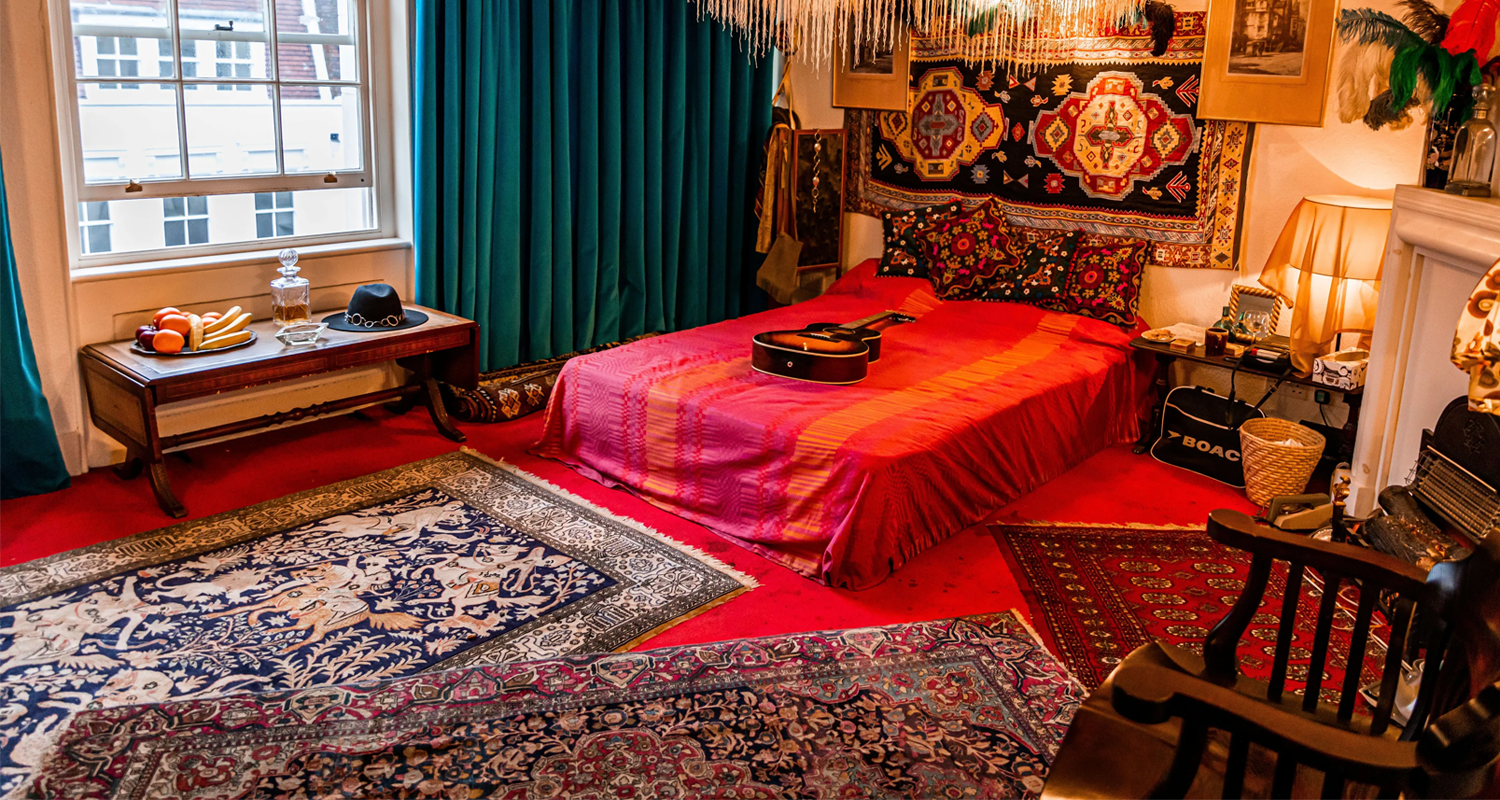
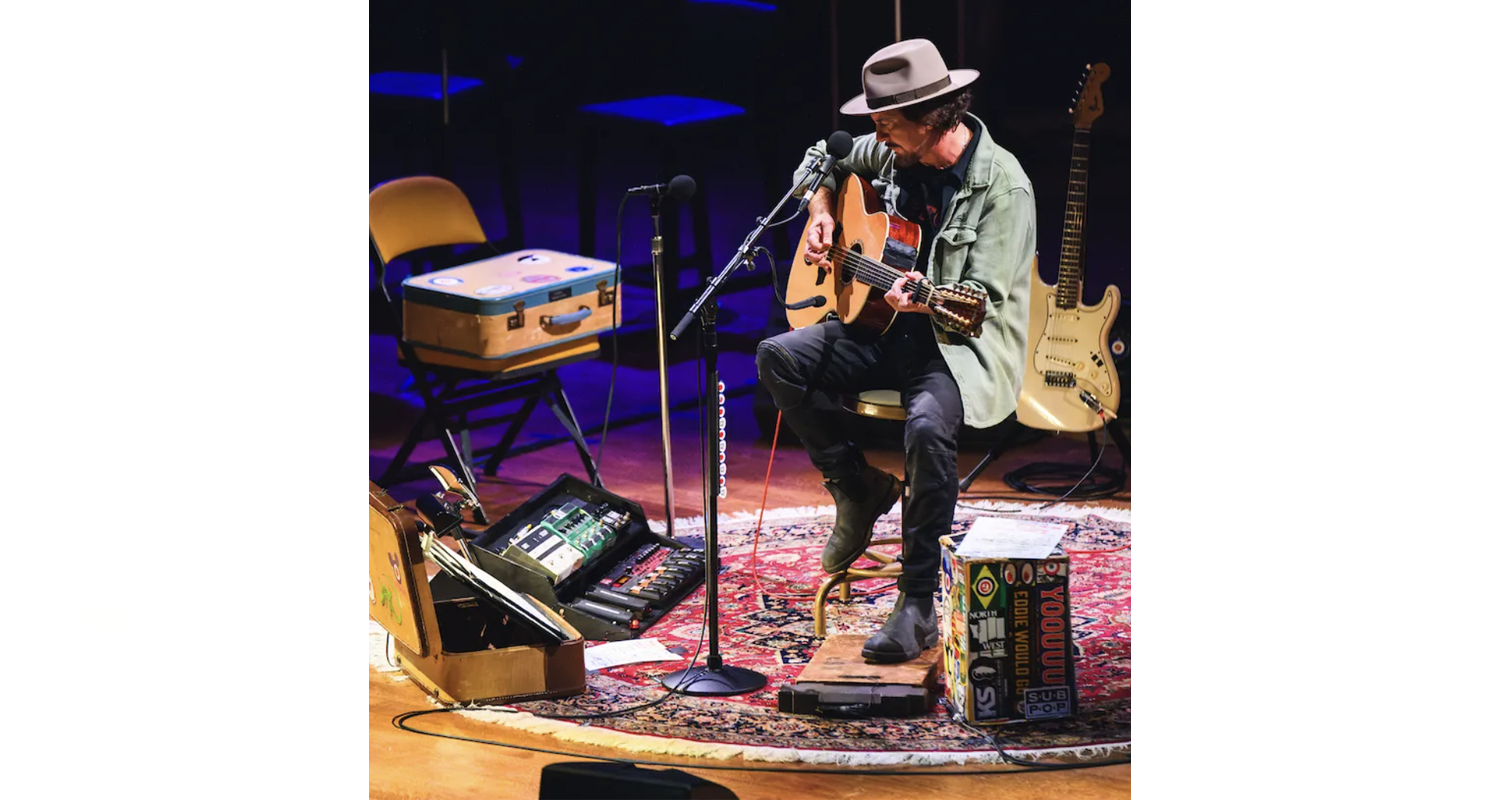
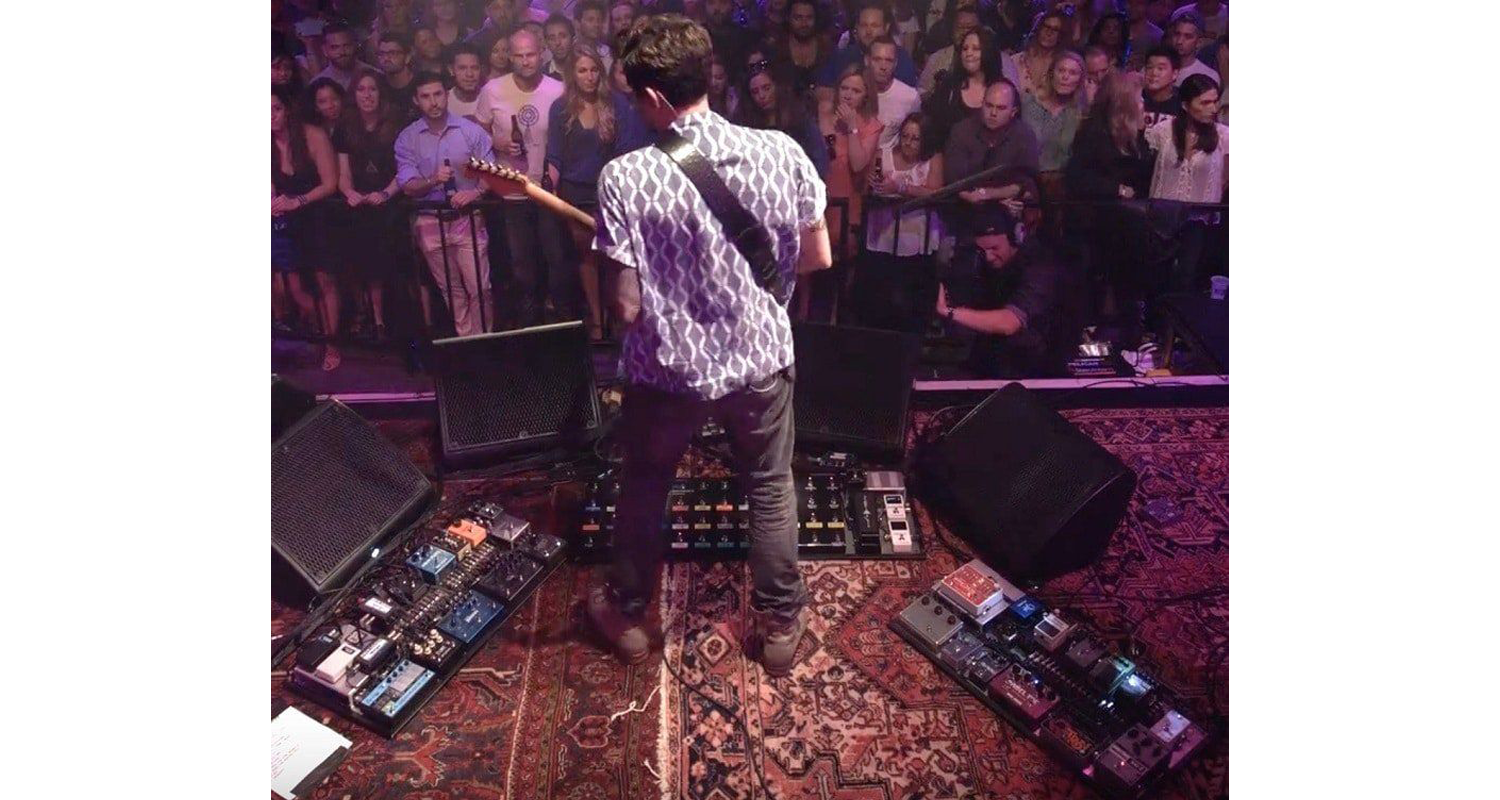
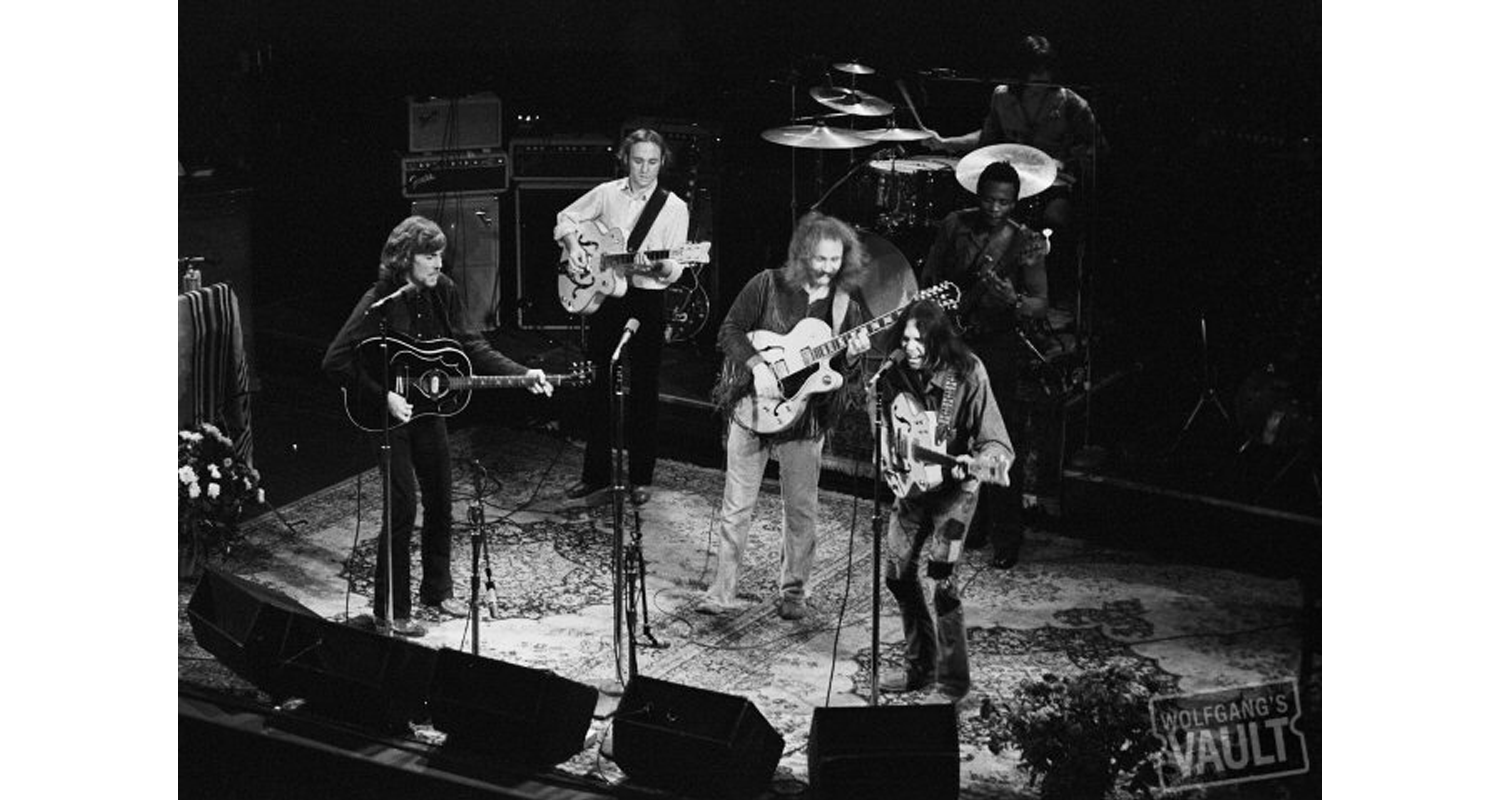
Led Zeppelin had them. Bob Dylan did, too. Jimi Hendrix and Jim Morrison laid them out across their homes and live sets. The Rolling Stones’ Charlie Watts wasn’t just standing on them; he famously became a dedicated Persian rug collector off-stage. Eric Clapton and Crosby, Stills & Nash carried the tradition through the decades, paving the way for a procession of modern artists. Today, the lineage continues with everyone from Eddie Vedder, who has toured for over twenty years with his signature circular Persian rug, to John Mayer and Ocean Alley. Yet, for an object that has been such a massive, enduring fixture of live music for over half a century, the Persian rug has received surprisingly little attention.
The impulse to unroll a heavy wool rug on a slick stage didn’t start as a bohemian aesthetic choice; it was profoundly practical. Ask any front-of-house sound engineer and they will tell you that a bare stage is an acoustic nightmare. Hard wooden floors reflect sound erratically, muddying bass frequencies and causing sharp notes to bloom into agonising feedback. A dense wool rug acts as a natural sound baffle. It tames the slap-back echo of a kick drum and softens stray reflections, carving out a slightly more controlled pocket of sound for the musicians.
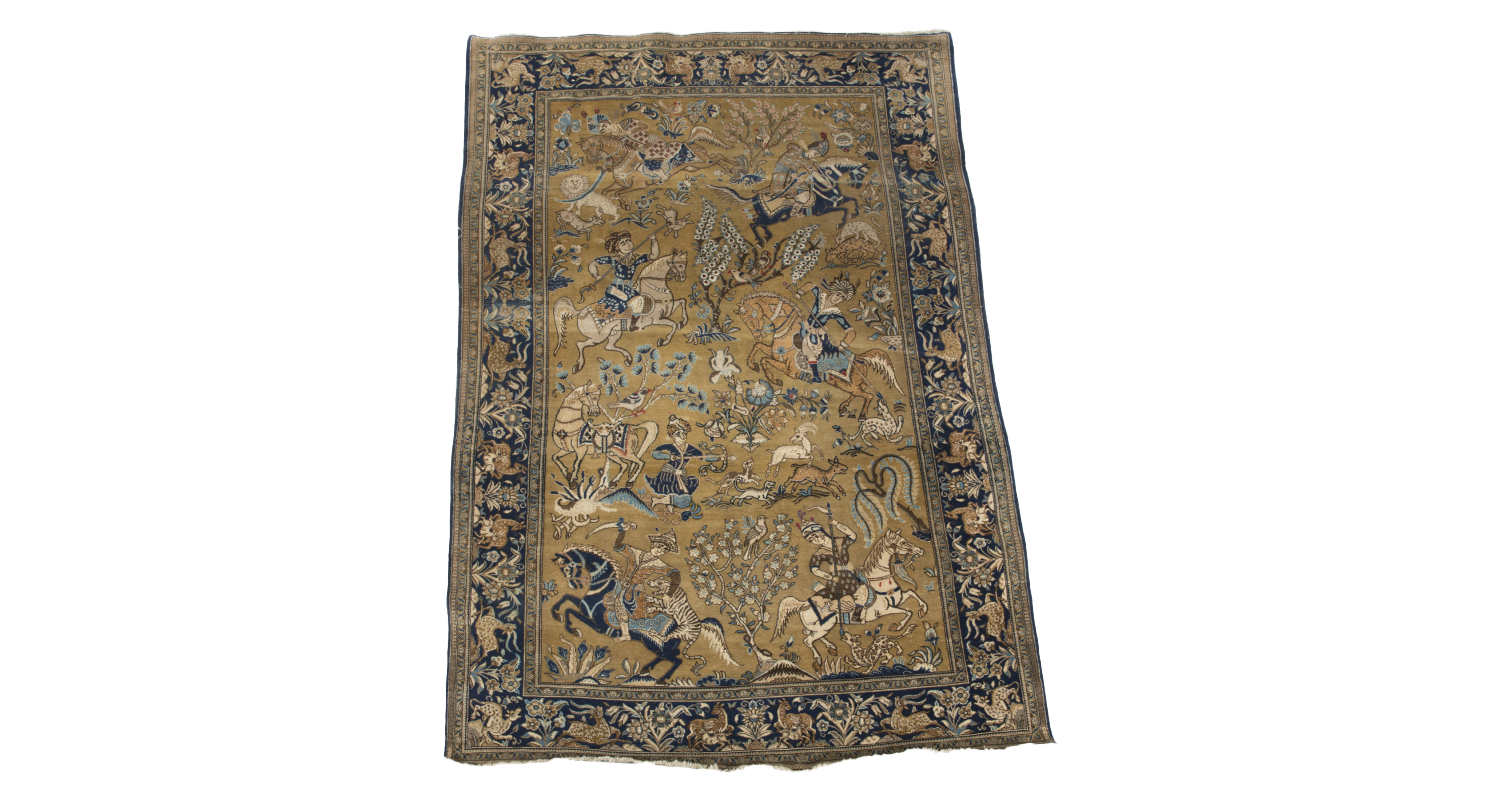
Then there is the electricity. In an environment thick with high-voltage amplifiers, frayed cables, and static discharge, a natural-fibre rug provides vital insulation. Greg Lake of Emerson, Lake & Palmer once claimed his on-stage rug cost him “a small fortune” – he famously had a Hunting Scene Persian Qom silk rug on stage – but he insisted on using it “to keep from being electrocuted on the stage!”[1] Eric Clapton, a lifelong devotee of the tradition, echoed this in a 2001 interview regarding his beloved Ardabil carpet: “Very expensive, ten thousand dollars, handwoven. Positioning of the rug is critical,” he laughed. “The rug came about because we were getting static.”[2]
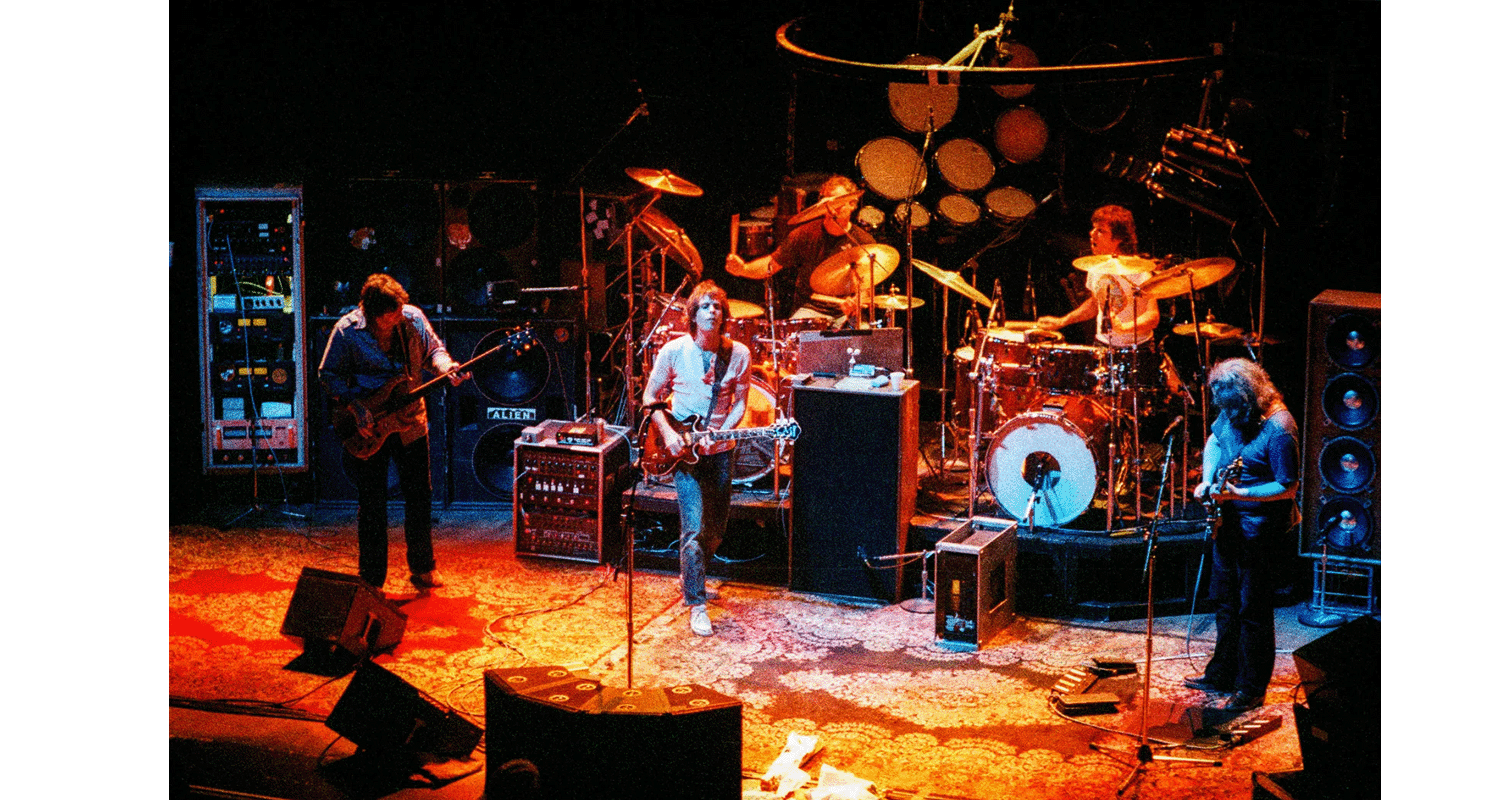
Beyond acoustics and grounding, a heavy rug is a brilliant manager of stage chaos. It defines a physical perimeter, giving rubber-footed microphone stands and heavy monitor wedges something to grip so they don’t slide away during an energetic set.
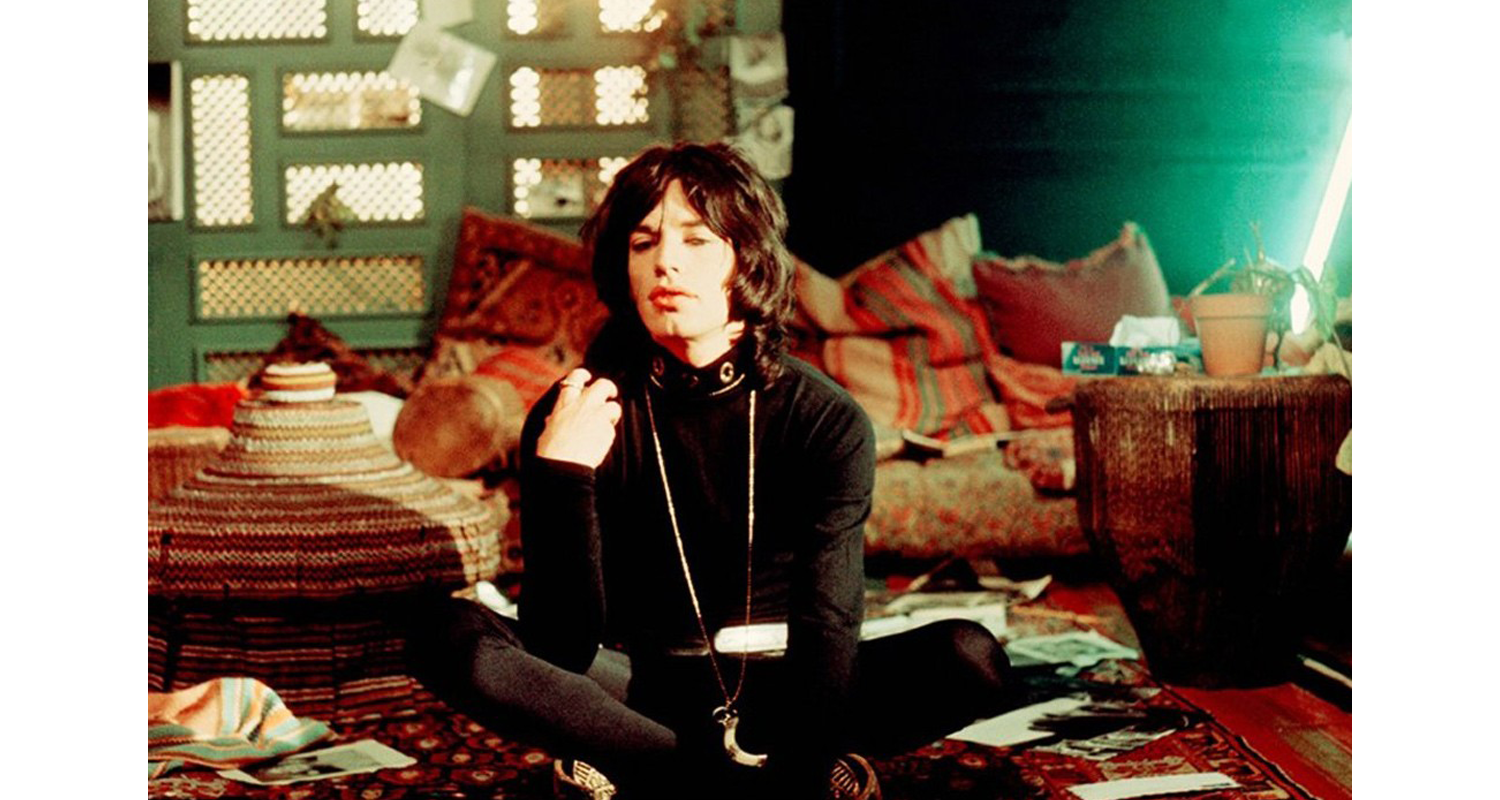
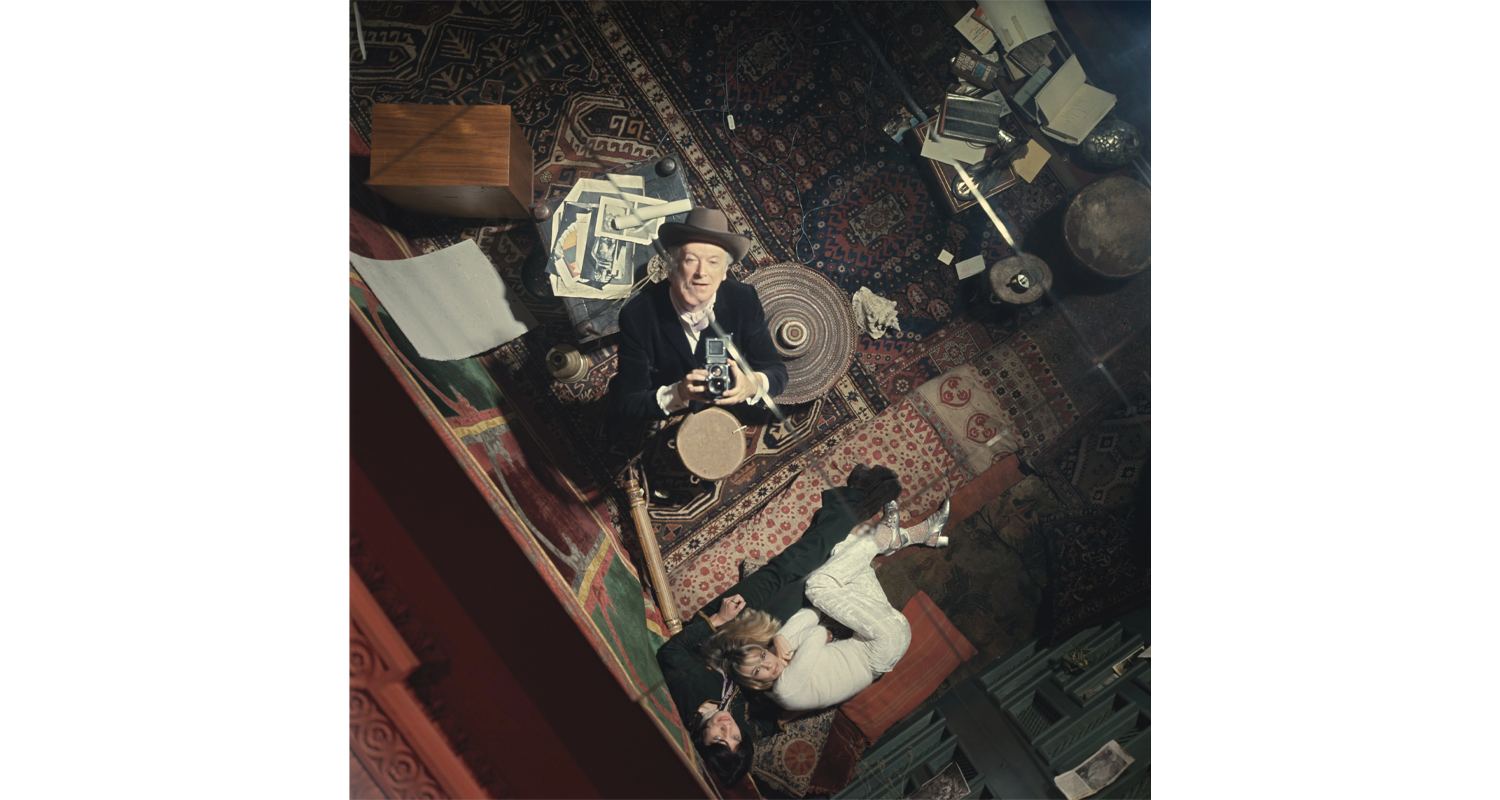
But practicalities only explain why a musician might throw down a piece of carpet; they don’t explain the artistry. The leap from a cheap, utilitarian roll of synthetic floor covering to an intricate, hand-woven Persian masterpiece is rooted entirely in the spiritual and cultural awakening of the late 1960s. The counterculture was actively rejecting the post-war boom of plastic consumerism, turning away from the sterile, mass-produced goods of the Atomic Age -nylon, Formica, and factory-line polyester. Instead, musicians and their audiences sought out objects made by human hands, items that carried history, warmth, and the deliberate imperfections of genuine craftsmanship. A Persian rug, dyed with natural pigments like madder root and indigo, and handwoven by artisans over months or even years, represented the absolute antithesis of Western industrialism. As Western artists became increasingly captivated by Eastern mysticism – trading three-minute pop melodies for Ravi Shankar’s sitar and exploring Buddhist and Sufi philosophies – bringing a Middle Eastern or Central Asian textile onto the stage became a visual extension of their sonic explorations. It was a tangible rejection of the conveyor belt, grounding their electric, modern music in a tradition that was ancient, organic, and human.[3]
This ideological shift was also heavily aided by a stroke of post-war economic timing. In 1960s London, the fading remnants of the British Empire were quite literally spilling out onto the streets. Old Victorian and Edwardian estates, burdened by a changing economy and crippling death duties, were rapidly liquidating their heirlooms. This flooded local flea markets like Portobello Road and the antique stalls of Chelsea with extraordinary Oriental carpets, originally brought back by imperial merchants, now selling for a fraction of their true worth. For young, perpetually broke British musicians, these rugs weren’t just decorative bohemian flair; they were a cheap, vital way to insulate freezing, damp squats and draughty pub rehearsal rooms. They were functional lifesavers wrapped in faded aristocratic grandeur. When the British Invasion and the subsequent blues-rock boom crossed the Atlantic, those carpets travelled with them, rolled up alongside the Marshall amplifiers and Gibson guitars. The aesthetic seamlessly merged London’s thrift-store resourcefulness with San Francisco’s bohemian love for authentic, worldly craft. Suddenly, what began as a creative cheap way to keep the damp London cold out became a transatlantic symbol of musical rebellion, laying the literal groundwork for the live music experience we recognise today.[4][5]
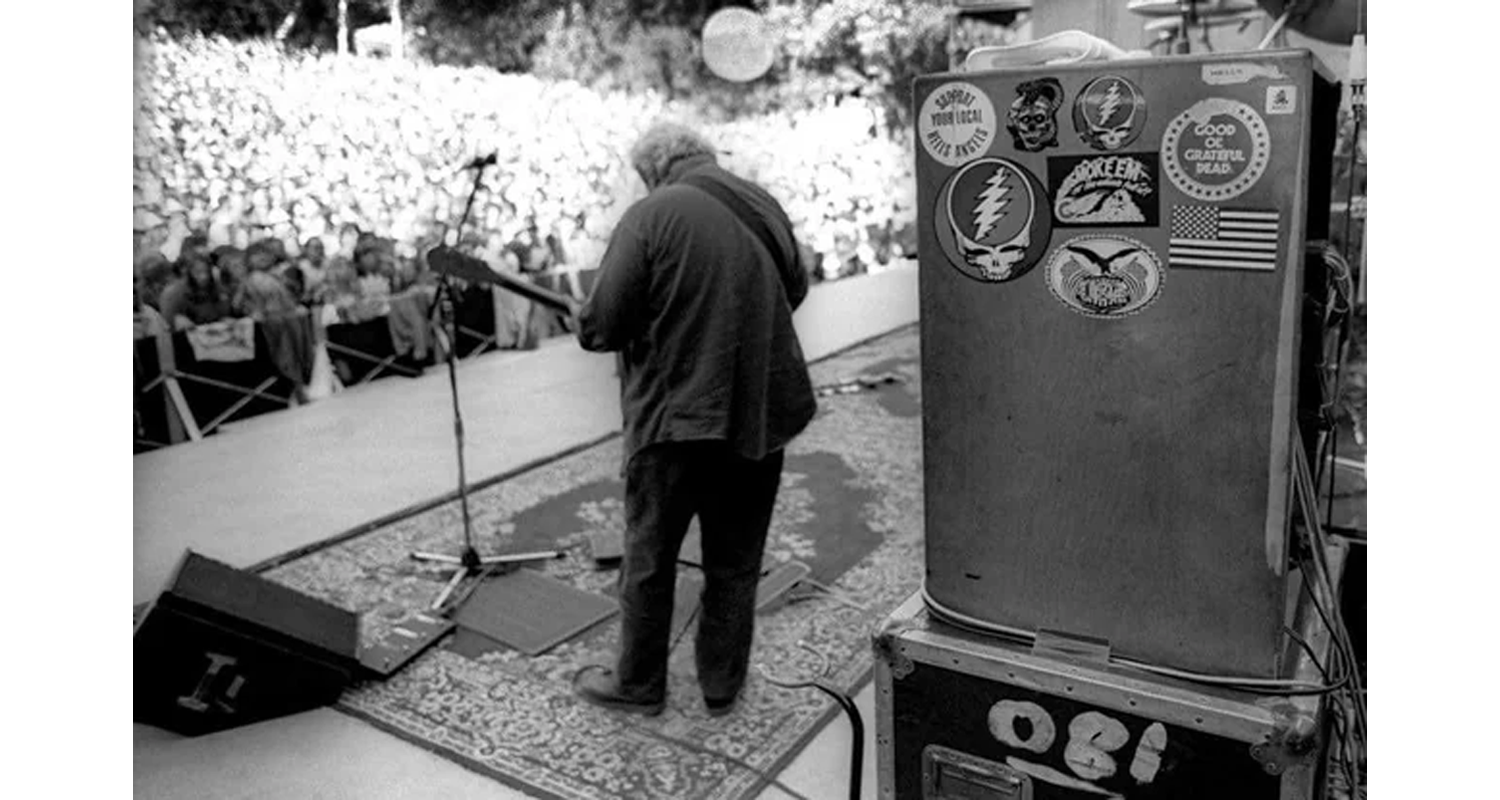
The Grateful Dead, often regarded as pioneers of the tradition, made the practice legendary, transforming barren stadium platforms into psychedelic extensions of their famous Haight-Ashbury living rooms. Jerry Garcia loved the tactile sensation of hand-knotted wool beneath his boots, admitting that during long, sprawling guitar solos he would look down and “get lost in all their intricate patterns.”[6]
Over decades of touring, these carpets became fiercely personal, sometimes fiercely guarded, territory. During the Eagles’ notoriously tense tours in the 1970s, band members famously argued on stage, not over guitar solos or volume, but over the exact boundaries of their respective Persian rugs. Each musician guarded his woven turf, turning a petty rock-star feud into a revealing glimpse of how deeply they relied on their personal space.[7] Others treated their rugs with intense reverence. Clapton’s crew didn’t just throw his rug into the back of a truck with the lighting rigs; they transported it in a custom-built, dedicated carrying tube, treating it with the care reserved for a Stradivarius.[8]
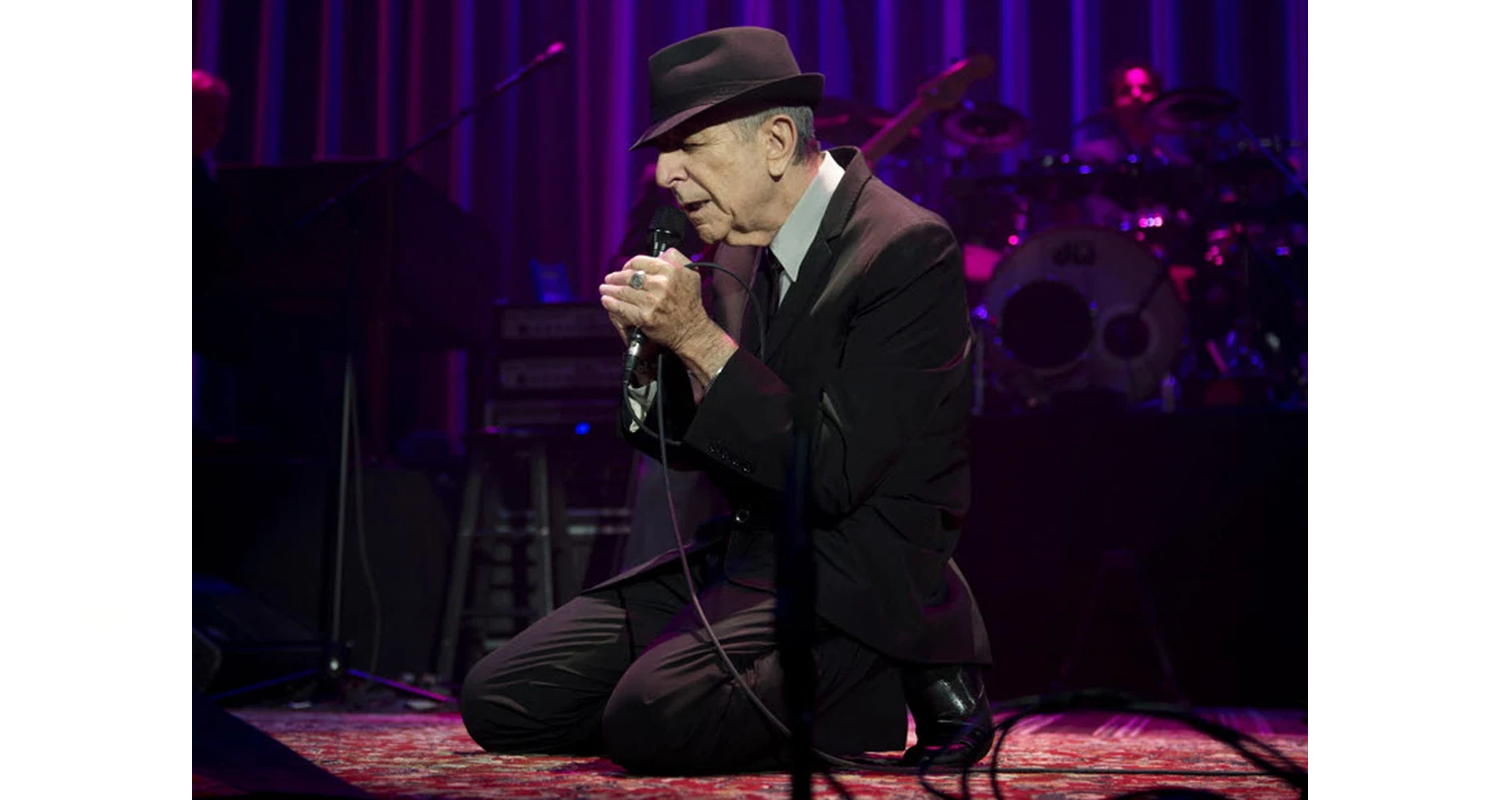
For some, the rug transformed the stage into a deeply intimate space. Graham Nash performed barefoot alongside David Crosby so he could feel the thick pile of the wool underfoot, effectively turning a cavernous, faceless auditorium into a cosy parlour session.[9] Leonard Cohen echoed this approach, famously touring with his own Persian rug and frequently kneeling on it while performing; for Cohen, it seems, the carpet was never just stage decoration, but a personal sanctuary.[10]
Of course, not every rug on stage had such noble or spiritual origins. Leave it to The Who’s Keith Moon to provide the most bizarre rug story of the era. In 1976, Moon apparently appropriated an expensive Persian carpet from a Phoenix hotel after allegedly causing a wet spot on it. When management attempted to charge the band for the damage, Moon simply rolled the rug up, threw it over his shoulder, and marched it onto the tour bus.[11]
Walk into a venue today, and you are just as likely to see a worn Persian rug under a heavy metal drum riser as you are beneath an indie-pop microphone stand. It absorbs harsh noise, insulates against rogue electricity, and locks down sliding gear. But its enduring presence points to a much deeper philosophical yearning. Rock and roll, at its core, is a product of the modern Western world; loud, electrified, restless, and deeply individualistic. It is a culture built on fleeting moments and rapid consumption.
The Persian rug represents everything that Western industrialism left behind. For the musicians who popularised them, and those who maintain the tradition today, looking East wasn’t just a stylistic fad; it was a search for the grounding, soul, and interconnectedness that modern life often misses. A hand-knotted carpet is a slow, ancient craft, steeped in quiet spirituality and woven with an understanding of eternity. For artists spending their lives living out of suitcases, chasing the ephemeral rush of the spotlight night after night, unrolling that rug is an act of spiritual anchorage. It brings a piece of deep-rooted, soulful stillness right into the chaotic heart of a roaring arena, offering a portable patch of home beneath their feet.
References:
[1] Quoted in Melody Maker (1974); see also Greg Lake, Lucky Man: The Autobiography (London: Constable, 2017), detailing the electrical grounding precautions for ELP’s high-voltage quadraphonic stage rigs. Also, Heather Haas, “Rock Gods and Their Rugs,” Alex Cooper Auctioneers Blog, September 20, 2023, https://www.alexcooper.com/blog/rock-gods-and-their-rugs.
[2] Eric Clapton, interview with Guitar World (2001); see also John Farr, “Persian and Oriental Rugs in Rock Shows,” John Farr Design (February 2010), documenting the stage crew’s custom cylindrical transport tube during Clapton’s Toronto performance.
[3] Theodore Roszak, The Making of a Counter Culture: Reflections on the Technocratic Society and Its Youthful Opposition (New York: Anchor Books, 1969), pp. 205–220.
[4] A.B. Atkinson, Unequal Shares: Wealth in Britain (London: Allen Lane, 1972).
[5] Barry Miles, In the Sixties (London: Jonathan Cape, 2002); Bill Graham and Robert Greenfield, Bill Graham Presents: My Life Inside Rock and Out (New York: Da Capo Press, 1992), p. 284
[6] Heather Haas, “Rock Gods and Their Rugs,” Alex Cooper Auctioneers Blog, September 20, 2023. Also, Steve Parish, Home Before Daybreak: My Life on the Road with the Grateful Dead (New York: St. Martin’s Press, 2003). (Parish details the routine of unrolling heavy rugs across the stage to ground the Grateful Dead’s equipment and create an intimate playing space).
[7] Don Felder with Wendy Holden, Heaven and Hell: My Life in the Eagles (1974–2001) (Hoboken: John Wiley & Sons, 2008), pp. 184–186.
[8] John Farr, “Persian and Oriental Rugs in Rock Shows,” John Farr Design, https://www.johnfarrdesign.com/pages/oriental_rugs_in_rock.php.
[9] Graham Nash, Wild Tales: A Rock ‘n’ Roll Life (New York: Crown Archetype, 2013), pp. 162–163. In Wild Tales, Nash talks extensively about performing barefoot as a personal lifestyle choice and counterculture statement of grounding. He also talks about bringing rugs on stage to create a living-room atmosphere.
[10] Sylvie Simmons, I’m Your Man: The Life of Leonard Cohen (New York: Ecco/HarperCollins, 2012), pp. 430–435. Cohen famously dropped to his knees on those rugs repeatedly during every show. Sometimes while singing intensely (e.g., during “Hallelujah” or “Tower of Song”), and often while kneeling in reverence toward his musicians while they took solos.
[11] The Most Dangerous Man Alive (Biographical DVD), as cited in “Moon Rolled a Fat One,” San Diego Reader, October 6, 2005. (The incident occurred in October 1976 when Moon, told he would be charged for ruining a Phoenix hotel lobby rug, rolled it up and stole it to anchor his drum kit).